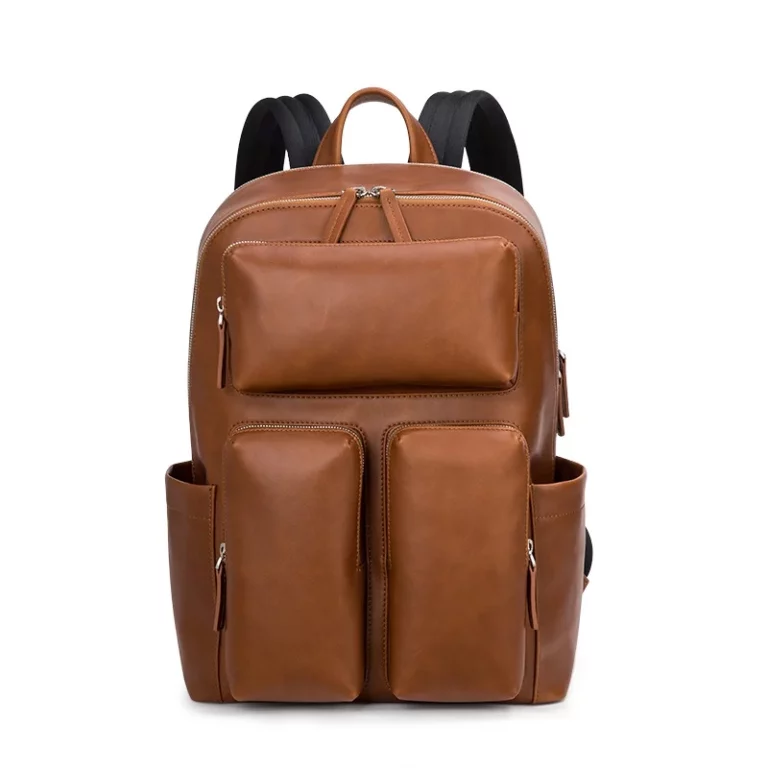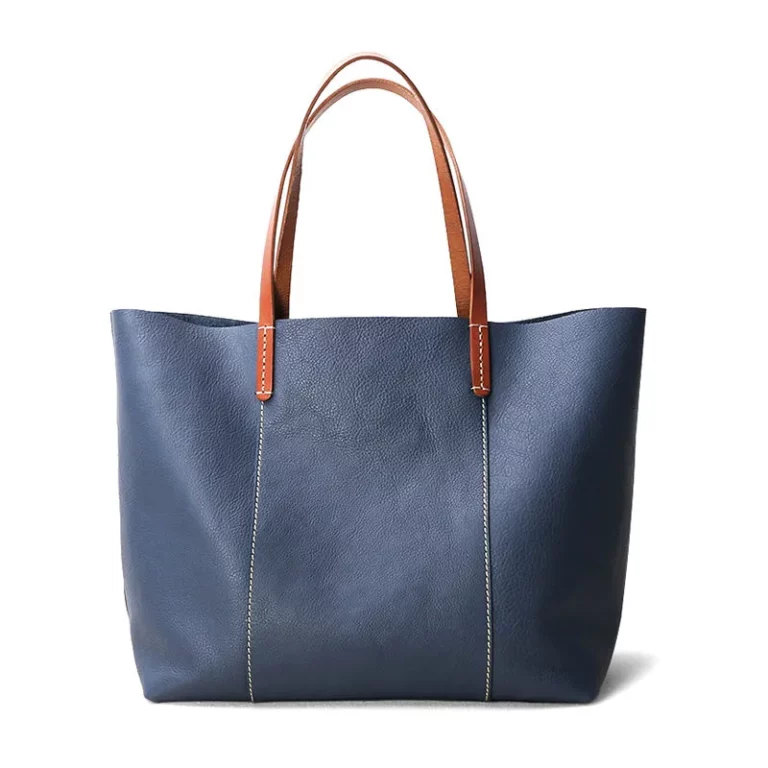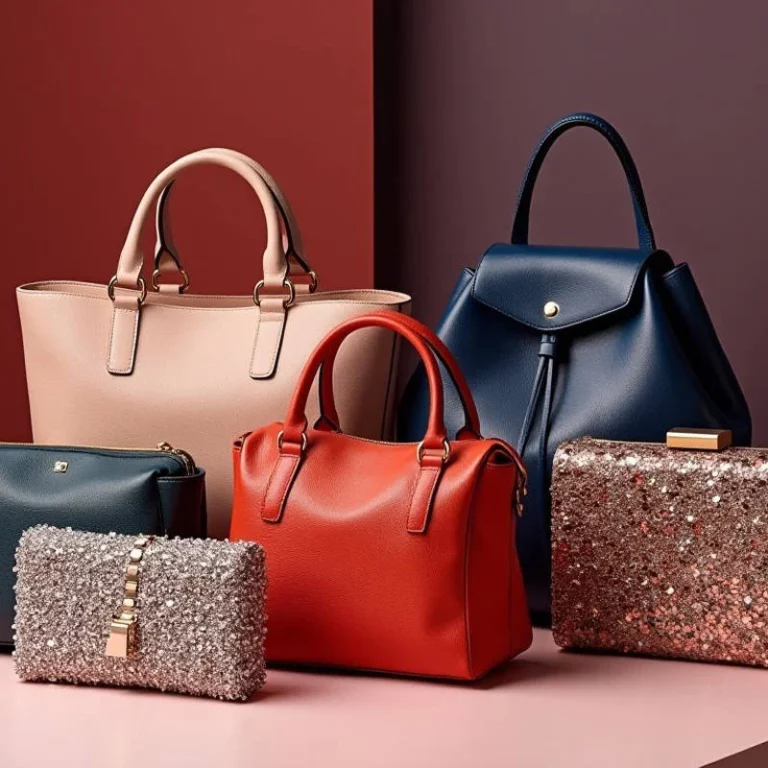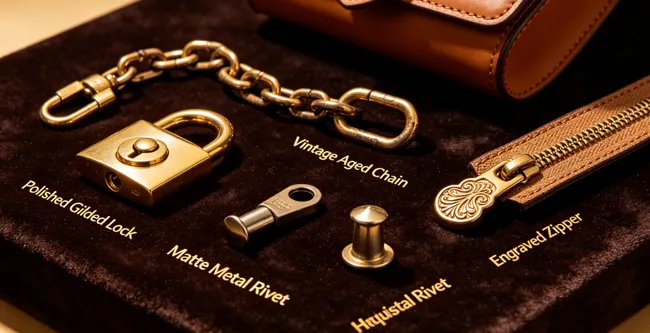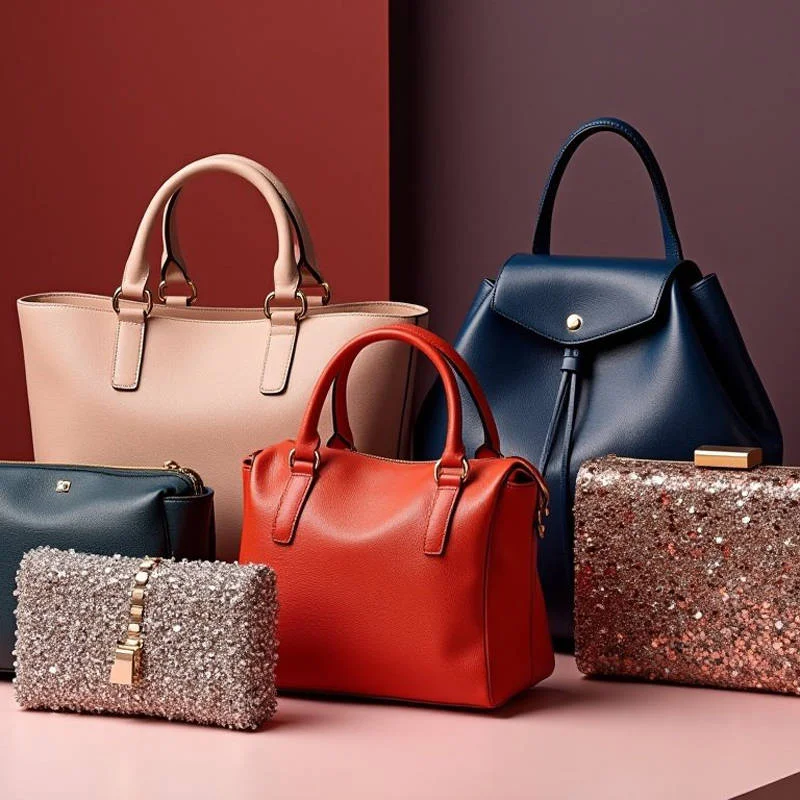
We do not advocate that bag factories establish their own brands and strive to carry out marketing and promotion. Instead, we are committed to being integrated marketing service partners for brand customers while manufacturing bags. In today’s highly competitive market context, the role of luggage factories has transcended being merely manufacturers of functional products. They are gradually evolving into indispensable strategic partners in the brand-building process and can bring significant value to the brand’s market influence.
We are a traditional bag factory. Since 2006, we have always been focused on providing customers with high-quality products. In recent years, we have continuously learned the marketing strategies and market demands of various brands, and served the brand development of our customers in an efficient and precise way.
This article aims to expound on how luggage factories can organically integrate brand marketing thinking into the production process, thereby systematically enhancing the overall brand experience and market competitiveness of customers.
1. The role positioning of the bag factory has changed
Over the past two decades, the global bag industry has undergone profound reshaping: factories were previously mostly regarded as a part of the large-scale production process, mainly providing large-scale contract manufacturing for well-known brands. Nowadays, an increasing number of bag factories are transforming into strategic partners of brands, deeply participating in the image building and identity shaping of the brands they serve.
This transformation is driven by multiple trends: the rise of e-commerce, the globalization of supply chains, the deepening influence of social media, and the changing values of consumers. Today, what consumers seek is not only a bag with practical functions, but also a product that can express their personal style, value proposition and lifestyle. Therefore, in the context where the market is approaching saturation and it is difficult for brands to stand out merely by quality and price, the demand for brand differentiation is becoming increasingly urgent.
Facing this trend, luggage factories have seen new opportunities that go beyond traditional manufacturing. They began to offer creative design support, assist in marketing content production, and even provide clients with advice on brand development strategies. The notion that “a factory is merely a production workshop” is already outdated. On the contrary, modern factories are becoming the core nodes of value creation, offering comprehensive professional capabilities ranging from material research and development to brand story building.
For many luggage factories operating under the OEM (Original Equipment Manufacturing) or ODM (Original Design Manufacturing) model, this evolution means that a fundamental shift in thinking is necessary. Forward-thinking manufacturers no longer view brand marketing merely as the responsibility of the customers themselves. Instead, they recognize that integrating marketing thinking into the manufacturing process can consolidate long-term partnerships, attract higher-value customers, and enhance their reputation in the global industrial chain.
Integrating brand marketing into manufacturing does not mean that factories should transform into advertising agencies. Instead, it emphasizes the need to fully leverage their profound accumulation in product design, material craftsmanship, and consumer trends to empower brands to achieve more effective market communication. A factory that understands marketing not only produces high-quality bags, but also products that carry stories, embody concepts, and can establish emotional connections with consumers.
2. Understand brand marketing in the luggage industry
What is brand marketing?
Brand marketing is a strategic process of establishing awareness, trust and emotional connections between a product and its target audience. It goes beyond the functional attributes of selling handbags – such as durability, materials or prices – and focuses on what the brand represents.
Essentially, brand marketing answers the following questions:
What story does this bag brand tell?
Who is the one using it?
What values or lifestyle does this brand reflect?
For instance, a minimalist leather handbag might convey professionalism and simplicity, attracting urban professionals, while a colorful recycled fabric backpack might reflect creativity and environmental awareness. Both are handbags, but their brand messages – as well as the emotional connections they create – are completely different.
From a scientific perspective, brand marketing employs psychology, sociology and behavioral economics. People buy emotionally and judge rationally. When consumers feel that a product represents their identity or aspiration, they are willing to pay a premium for it. This is why two bags produced by the same factory may have very different prices due to differences in brand and marketing.
The Role of Brand Marketing in the luggage industry
The handbag industry is both practical and emotional. A bag is a daily necessity, but it is also a fashionable accessory, a symbol of status and a form of self-expression. Therefore, brand marketing plays an especially important role.
Historically, luxury companies like Louis Vuitton, Chanel and Gucci have transformed ordinary leather goods into symbols of prestige through brand marketing. Meanwhile, newer brands such as Herschel, Fjallraven and Tumi have established strong identities through storytelling, community building and lifestyle consistency.
Nowadays, even smaller brands can compete through digital marketing, influencer collaborations and sustainable values. This kind of brand democracy has created new opportunities for factories, helping customers produce and convey their stories.
A factory that understands how a brand positions itself in the market – high-end, environmentally friendly, youth-oriented, minimalist, etc. – can make better decisions at every stage of production. Material selection, color palette, packaging design, and even logistics display can all be consistent with the brand’s marketing strategy. This is the essence of marketing integration.
The science behind consumer cognition
From a scientific perspective, consumers will respond to symbols and clues that trigger associations in their minds. For example:
The logo serves as the visual anchor for brand recognition.
The color scheme can evoke emotional responses – green represents environmental protection, black represents luxury, and blue represents trust.
The texture and smell of materials affect perceived quality.
Even the unboxing experience can help enhance brand awareness.
Factories are in a unique position in influencing these sensory details because they control the physical creation of products. When factories understand how sensory cues affect consumer psychology, they can support their brands more effectively. For instance, suggesting the use of smoother lining materials might enhance the perception of quality, while using biodegradable packaging might strengthen the message of an eco-conscious brand.
The gap between manufacturing and marketing
Traditionally, there has been a gap between manufacturers and marketers. Factories focus on technical details – specifications, materials and production efficiency – while marketers focus on storytelling, customer engagement and sales. This division often leads to inefficiency or missed opportunities.
For instance, a marketing team might design a campaign emphasizing sustainable materials, but if the factory is not aware of the significance of traceability or documentation, the campaign might lose its credibility. On the contrary, factories may develop innovative materials or designs, but fail to effectively convey these advantages to the brand or end consumers.
Integrated brand marketing fills this gap. It encourages cooperation among enterprises in technology and creativity, ensuring that every design decision supports the brand’s message.
Brand marketing serves as a competitive advantage for factories
For luggage factories, brand marketing integration can bring multiple competitive advantages:
Attracting high-quality customers – Brands are increasingly seeking manufacturing partners who understand the value of marketing.
Establishing long-term partnerships – Common marketing goals can foster deeper cooperation beyond transactional relationships.
Higher profit margins – Factories that offer design and marketing expertise can charge value-added service fees.
Market differentiation – In the ocean of similar factories, “market awareness” makes factories stand out.
Global recognition – Factories that help brands succeed are renowned internationally and open the door to new markets.
In short, understanding brand marketing can transform handbag factories from suppliers to strategic partners – a necessary evolution for survival and development in the modern global economy.
3. The traditional role of bag-making factories
The definitions of OEM/ODM/OBM
The traditional positioning of the bag-making industry in the manufacturing landscape is undergoing profound reflection. To understand how factories can integrate into brand marketing, it is necessary to first recognize the three fundamental business models that have long existed in the manufacturing industry: OEM (Original Equipment Manufacturer), ODM (Original Design Manufacturer), and OBM (Original Brand Manufacturer).
OEM (Original Equipment Manufacturer): In this model, the factory produces packaging bags according to the customer’s design and specifications. Brands offer patterns, materials or artworks, while factories are purely focused on manufacturing. The name of the factory rarely appears on the products or packaging.
ODM (Original Design Manufacturer): ODM factories play a more creative role, offering pre-designed bag styles that customers can customize or sell under their own brands. This model provides factories with more creative input, but still limits them behind the scenes.
OBM (Original Brand Manufacturer): This model represents the highest evolution – factories create, market and sell their own brand products. OBM Company combines manufacturing expertise with brand identity, design and marketing strategies.
Over the past few decades, the global handbag industry has been highly dependent on OEM and ODM, especially in manufacturing centers that excel in cost, scale and technology. However, as competition intensifies and supply chain transparency increases, customer demands have transcended low prices and shifted towards seeking innovation, flexibility, and synergy at the marketing level.
The core of the traditional model: cost, quality and delivery
In the past, the success of a factory was often defined by the iron triangle of “cost, quality and delivery”. Although these three key elements remain crucial to this day, they alone can no longer support sustained growth. Modern customers pursue added value – including market trend insights, design co-creation, and even consumption preference suggestions. Factories that only focus on cost optimization are at risk of being easily replaced. Factories that can help customers solidify their brand narratives are expected to build long-lasting, even decades-long partnerships.
The traditional gap between factories and brands
In traditional cooperation, factories and brands often hold their own sides, forming a simple transaction relationship of “order placement – execution”. This disconnection can easily lead to understanding deviations or the final product not matching the original intention. For instance, a brand that pursues “eco-luxury” might choose materials that seem sustainable but have not been certified. Or the marketing side promotes “handmade”, but the production line is actually automated sewing. These inconsistencies resulting from factories not fully integrating into the brand value dialogue will eventually undermine the brand’s credibility.
The profit challenges of the pure contract manufacturing model
At present, the pure OEM model is under significant pressure: the rising labor costs in manufacturing, the complexity of global logistics, the sharp increase in customers’ expectations for flexibility, and the fact that technology has made price comparison and changing suppliers more convenient, have led to a sharp compression of the profit margins of pure contract manufacturers. Under the price war, many factories find it hard to survive. The only sustainable development path is to achieve differentiation by providing value-added services related to creativity and marketing, transforming itself from an alternative supplier to an indispensable partner.
The inevitability of change
Globalization, digitalization and the rise of consumer dominance have reshaped the rules of the game in all consumer goods industries. Factories that merely focus on large-scale production are likely to fall behind The Times. Today’s consumers (including brand owners and end users) clearly demand: transparency in production processes and sources, environmentally and socially responsible production practices, story-telling that endows products with emotional connections, and the ability to quickly respond to small-batch customization. To meet these demands, it cannot be accomplished independently by the manufacturing process alone, but must rely on the deep integration of production, design and marketing. This is precisely the core driving force behind “integrated marketing” becoming an inevitable trend.
4. Integration is imperative
4.1 Why must bag-making factories adapt in order to survive
The phrase “Integration is imperative” refers to the fact that in order to remain competitive, handbag factories inevitably need to combine manufacturing expertise with marketing insights.
In the past, manufacturing was a service outsourced by brands. Today, it is part of a larger value ecosystem. Factories are no longer merely about manufacturing products; they also help brands establish emotional connections with customers.
Consider these global changes:
E-commerce platforms have lowered the entry threshold for new brands. Start-up companies need to create partners who can guide them in product-market matching and brand decision-making.
Social media marketing has made visual effects and storytelling more important than ever before, demanding that factories offer photogenic, design-oriented products.
The trend of sustainable development has made material procurement and production methods part of the brand narrative.
In other words, the role of the factory starts earlier (during the concept development period) and ends later (helping customers with marketing assets or storytelling). This continuous participation creates a symbiotic relationship between manufacturers and marketers.
4.2 From production partners to co-creators of brands
Integration transforms the relationship between brands and factories from transactional to collaborative. The factory becomes a co-creator of brand value.
This can take many forms:
Brainstorm on new designs or current season collections.
Provide marketing materials, such as product photos or design sketches.
It is recommended to use environmentally friendly materials that align with the brand image.
Support social media activities by talking about craftsmanship or processes.
When factories contribute to brand narratives, they gain popularity and reputation, and usually appear in brand marketing materials. This not only builds up the employees’ sense of pride but also enhances the factory’s appeal to other potential customers.
4.3 Benefits of Integration
For luggage factories, integrated brand marketing can bring measurable benefits in several dimensions:
Economic recovery
Diversified design and marketing services help stabilize income. Factories no longer compete merely on cost but can charge extra fees for creative consulting or product development.
Customer retention rate and loyalty
When factories understand and support their clients’ marketing strategies, the relationship will become deeper and more lasting. Customers are unlikely to change suppliers because the cooperative relationship goes beyond production.
The reputation and brand equity of the factory
Factories that support well-known brands usually gain prestige. Some have even become “brands” in manufacturing, renowned for their innovation and creativity.
Knowledge sharing and innovation
Integration encourages cross-functional learning. Marketing insights help factories predict trends, while manufacturing knowledge helps marketers create more realistic campaigns.
Sustainable development and social responsibility
Factories with market awareness are more likely to adopt transparent and ethical practices because they know that these factors contribute to the brand story. This will bring about better compliance and a stronger global reputation.
4.4 Industries that have already achieved integration of marketing and manufacturing
It is not only the luggage factories that are facing this transformation. Several industries have taken the lead in integrating brand marketing with production:
The clothing industry: Many clothing factories now provide design, trend forecasting and digital marketing support for brands. Some companies even operate B2B showrooms where buyers can view their collections.
In the cosmetics industry, contract manufacturers (OEM/ODM) in the skincare sector typically develop entire brand concepts, packaging, and social media templates for start-up clients.
In the electronics industry, smartphone factories collaborate with brands to jointly design products and optimize user experience. Market feedback directly affects product design.
These examples show that integration is not only a trend but also a proven competitive path. The handbag industry can also adopt a similar model, especially considering its reliance on design aesthetics and consumer emotions.
4.5 An Integrated scientific and economic perspective
From an economic perspective, the integration of manufacturing and marketing can be explained by the theory of value co-creation. Modern enterprises no longer view the value chain as linear – from raw materials to products and then to brands – but operate within a value network. In such a system, each participant (suppliers, factories, brands, retailers) contributes to the shared brand assets.
From the perspective of systems science, integration increases the information flow in the business ecosystem and reduces entropy (chaos). When factories understand their marketing goals, they can make proactive decisions rather than passive ones, thereby enhancing efficiency, innovation and stability.
As a fusion of cultural transformation
Ultimately, integration is not merely a business model – it is a cultural shift within the factory. Workers, managers and designers must start to see themselves as contributors to the brand story rather than nameless producers.
This mindset requires:
Training in design thinking and consumer behavior
Have open communication with the client’s creative team
Encourage innovation and artistic expression
Be proud of the craftsmanship that supports their brand identity
Factories that cultivate such a culture usually have higher employee morale and better customer satisfaction. Therefore, integration is not only a practical need but also a source of inspiration.
5. Strategies for integrated brand marketing of bag-making enterprises
Brand marketing integration does not occur automatically. This requires well-considered strategies, investments and cultural changes.
The following are the key strategies that handbag factories can adopt. They can not only become production partners but also actively co-creators of brand value.
5.1 Product Design and Brand Narrative
5.1.1 The Role of Design in Brand Identity
In the fashion and accessories industry, design is the first language of a brand. Before any advertisement or social media campaign begins, the shape, color, material and details of a bag have already conveyed the brand’s values.
Minimalist brands may prefer geometric lines and soft tones; Brands targeting young people may use bright color blocks and playful proportions. These design decisions must be in line with the brand’s expected identity, and the factory plays a crucial role in accurately and consistently achieving these goals.
When factories understand the story behind a brand, they can offer subtle suggestions for improvement to enhance its message. For example:
A luxury bag with a more refined appearance by adjusting the width of the stitching
Choose recycled nylon over virgin polyester as an environmentally conscious brand
Propose new hardware finishes to match seasonal fashion trends
This positive contribution demonstrates market awareness and strengthens partnerships.
5.1.2 Tell stories through materials
Every material has an implicit story. Plant-tanned leather evokes tradition and craftsmanship; Canvas represents persistence and adventure; Recycling fabrics reflects a responsibility towards the environment.
Factories can support brand narratives by planning material libraries that are consistent with popular brand narratives, such as:
Sustainability: Organic cotton, rPET (recycled polyester), biodegradable coatings
Luxurious craftsmanship: Full-grain leather, hand-polished metal components
Innovation: Smart textiles, waterproof coatings, anti-theft technology
When factories help customers choose materials that resonate emotionally with consumers, they directly contribute to marketing outcomes.
5.1.3 Visual and Sensory brand consistency
Apart from materials, some small details – such as zippers, lining patterns or packaging – can also enhance a brand’s visual image. Factories can maintain brand consistency by formulating internal design guidelines, just like a “brand DNA file”.
This ensures that even as different models are produced over time, these bags maintain recognizable features that reflect the essence of the brand – a uniform aesthetic similar to that of Apple products.
5.2 Joint Branding and Cooperation
5.2.1 The Power of Collaboration
In modern marketing, the collaboration among brands, designers and influencers can create a powerful buzz and open up new markets. Factories can play a core role in making these cooperations feasible.
For instance, a factory capable of producing small batches of high-quality handbag prototypes can enable brands to quickly launch limited edition projects – which is perfect for collaborations with influencers or pop-up events. This agility supports marketing creativity.
5.2.2 Factories as collaborative promoters
Factories can actively suggest or promote cooperation
Introduce new designers or small brands to old customers
Hold co-creation workshops to allow clients and designers to experiment with materials
Provide technical advice for influential projects
By positioning itself as a collaborative platform, the factory becomes a creative center rather than a passive supplier.
5.2.3 Share marketing benefits
When the cooperation is successful, both the brand and the factory are recognized. Factories can negotiate opportunities to collaborate with brands, and their names are ingeniously featured on marketing campaigns or product labels (for example, “Manufactured by [Factory name] at [location]”).
This practice has become quite common in the footwear and technology industries, where consumers appreciate the transparency of product manufacturers. It builds trust and credibility for both sides.
5.3 Digital Marketing Support
5.3.1 Factories as content contributors
Digital marketing is booming in visual storytelling – high-quality photos, videos and behind-the-scenes content.
The factory has a unique understanding of the production process and can transform it into powerful marketing materials.
The factory can:
Offer behind-the-scenes craftsmanship photography, highlighting the artisans and equipment.
Produce short videos to showcase measures for quality control or sustainable development.
Lifestyle photography that provides finished bags for e-commerce or social media.
For small brands lacking marketing infrastructure, these assets are invaluable. For factories, this is a way to demonstrate professionalism and marketing literacy.
5.3.2 Social Media Preparation
Factories can support their customers by producing content suitable for social media, such as:
Short clips formatted for Instagram Reels or TikTok
Product photography that focuses on trends
Technical charts or infographics explaining materials and properties
Even providing a simple “content package” for each batch of products – product photos, fabric details and short stories – can significantly enhance the customer’s brand image online.
5.3.3 E-commerce and Brand Consulting
Some factories go even further and offer e-commerce guidance to entrepreneurial clients. They can recommend packaging options suitable for online retail, share data on trend keywords (for example, “vegetarian tote bags”, “RFID backpacks”), or propose pricing strategies based on market insights.
This service transforms factories into true business partners, helping customers succeed beyond production.
5.4 Sustainability as a marketing Tool
5.4.1 Sustainability as the core brand value
In the 21st century, sustainable development is no longer a trend but a necessity. Consumers expect brands to be responsible for the environment and society.
The bag factory is at the core of this conversation because it controls procurement, production methods and waste management. By integrating sustainable development into its operations, the factory creates marketing value for itself and its customers.
5.4.2 Implement sustainable practices
Factories can adopt a variety of sustainable development measures
Use ecologically certified materials (such as GRS, OEKO-TEX or FSC-certified)
Reduce the consumption of water and energy
Recycle production waste
Switch to biodegradable packaging
Provide carbon footprint data for each batch of products
These measures are not only beneficial to the environment, but also can serve as marketing promotion. Brands can tell the story of their “green partners”, and factories can promote their own certifications and achievements.
5.4.3 Communicate sustainability transparently
Effective marketing sustainability requires data and transparency. Factories can support brands in the following ways:
Provide traceable source information
Including QR codes linking to sustainability reports or videos
Share lifecycle assessment data
This transparency builds consumer trust and makes both factories and brands moral leaders.
5.4.4 Transform sustainable development into brand collaboration
Some factories have even developed their own eco-material series, providing customers with ready-made sustainable product lines. Others cooperate with environmental non-governmental organizations or participate in circular economy initiatives (for example, bag recycling programs).
Such activities can draw media attention and enhance the image of the factory and the brand.
5.5 Supply Chain Transparency and data Integration
5.5.1 Trace Back to The Times
In an era of conscious consumers, people want to know where and how products are made. Transparency is no longer optional but a competitive advantage.
Factories can utilize technology to integrate traceability systems and link production data with brand marketing. For example, the QR code on each bag can display:
The source of the materials
The location of the factory
Production date
The name of the craftsmanship team
Details of sustainability or certification
This establishes a direct story connection between the production workshop and consumers’ smartphones.
5.5.2 Use blockchain and Data Analytics
Emerging technologies such as blockchain can ensure the authenticity of data and prevent false sustainability claims. Factories that adopt this system have gained credibility and attracted brands committed to transparency.
Meanwhile, data analysis can help factories predict demand, optimize inventory, and provide customers with suggestions on popular styles or colors based on global sales trends.
5.5.3 Integrated digital system
By using integrated ERP (Enterprise Resource Planning) and CRM (Customer Relationship Management) systems, factories can connect their production data with customers’ marketing calendars. This helps coordinate product launches, manage delivery schedules, and ensure that marketing activities are in line with manufacturing schedules.
5.6 Transition between Private Tags and OBM
5.6.1 Help small brands launch their own brands
Many small businesses and influencers are eager to establish their own handbag brands, but they lack the expertise to manage design, procurement and marketing.
Factories can offer private label services, guiding customers through every stage from design concepts to packaging and brand presentation.
This model has already become very popular in the cosmetics and clothing manufacturing industries. For handbag manufacturers, this is an opportunity to gain higher value by becoming full-service providers.
5.6.2 Develop factory-owned Brands (OBM)
Some advanced factories have gone further by launching their own brands and entering the OBM stage. This measure requires a deep understanding of consumer behavior and digital marketing, but it can significantly enhance profitability and independence.
The OBM method can also enhance the factory’s reputation and demonstrate to potential customers that it truly understands the entire brand-building process.
5.6.3 OEM/ODM/OBM balance
Factories must balance their brand efforts with customer confidentiality. The goal is not to compete with customers, but to showcase creativity and marketing capabilities. Many successful factories use both models simultaneously, carefully managing communication and trust.
5.7 Build internal marketing capabilities
Integration is unlikely to succeed unless the internal team of the factory understands the marketing principles. Therefore, factories should invest in training and knowledge development, including:
Hold brand workshops for designers and managers
Work with marketing consultants or universities
Participate in trade fairs and trend forecasting activities
An internal communication project on consumer psychology and storytelling
Establish internal marketing literacy to ensure that every department from procurement to quality control supports the brand’s vision.
5.8 Summary: The factory acts as a marketing partner
In conclusion, integrating brand marketing into handbag manufacturing is not merely about adding new services; This is about redefining the identity of the factory.
Integrated marketing factory
When designing, the storyline should be taken into consideration
Production is transparent and sustainable
Visual and emotional communication
Work openly with clients and influential people
Use technology to link production with promotion
Such factories are shaping the future of the global handbag industry – here, craftsmanship and creativity are combined, and manufacturing and meaning are integrated.
6. The Role of Technology
Technology is the bridge connecting production precision and marketing creativity.
For luggage factories seeking to integrate brand marketing, digital transformation is not merely a modern trend – it is the strategic foundation for achieving real-time collaboration, transparency and personalization.
6.1 Digital Design and Prototyping
6.1.1 CAD and 3D Modeling
Computer-aided design (CAD) and 3D modeling tools have completely transformed the conceptualization and visualization of handbags.
The factory can now create realistic digital samples, and customers can rotate, scale and conduct high-definition inspections before the physical prototype production begins.
This feature supports marketing in multiple ways:
Speed: Brands can quickly test visual concepts for seasonal releases or crowdfunding campaigns.
Cost efficiency: Fewer physical samples mean less waste and a faster iteration cycle.
Consistency: Digital templates maintain design integrity between production batches.
For brands, a faster development cycle enables marketing teams to respond quickly to fashion trends or social media topics – combining product creation with consumer needs in near real time.
6.1.2 Virtual Sampling and Feedback Loop
Virtual samples can also directly integrate customer feedback into digital files.
The marketing manager may request “softer contours” or “brighter colors”, and the factory’s designer can make adjustments immediately on the screen.
This interactive process deepens cooperation, reduces misunderstandings, and ensures that the final bag fully conforms to the brand’s aesthetic.
6.2 Intelligent Manufacturing and Customization
6.2.1 Application of Industry 4.0 in Bag-making
The Fourth Industrial Revolution (Industry 4.0) has introduced intelligent machines, Internet of Things sensors and automated quality control systems into manufacturing.
For bag-making factories, this means higher precision, consistency and flexibility.
Intelligent production lines can collect data at every step of the process – cutting, sewing, assembly – and input this information into dashboards accessible to both factory managers and customers.
When brands can see real-time progress and quality indicators, trust will increase and marketing teams can plan product launches more accurately.
6.2.2 Mass Customization
Technology has also made mass customization possible, allowing factories to mass-produce personalized handbags.
Through automated cutting and digital printing, factories can offer customers the following options:
Personalized letter combinations or artworks
Adjustable color combinations
Limited edition on demand
For marketing, customization adds exclusivity – a key emotional driver for modern consumers.
By promoting that “each bag is unique”, brands can raise prices and cultivate brand loyalty, while factories can gain experience in flexible production.
6.3 Artificial Intelligence and Predictive Analytics
6.3.1 Trend Prediction
Artificial intelligence systems can analyze millions of online data points – social media posts, fashion show images, search trends – to predict upcoming styles and materials.
Factories with these insights can offer suggestions to customers on the products that may be sold in the next quarter.
For instance, an artificial intelligence model might notice that people are increasingly interested in “vegan leather mini bags” or “ultra-light travel bags”.
By integrating production plans and sample development with these predictions, the factory becomes a marketing partner that helps the brand maintain its leading position.
6.3.2 Quality Control and Customer Satisfaction
Artificial intelligence image recognition can also enhance quality assurance. The camera scans each finished bag for seam defects, pattern alignment, or color consistency.
High quality is not only a technical standard but also a marketing commitment.
When factories maintain perfect consistency, they will enhance the credibility of their brands and protect their reputation.
6.3.3 Personalized Recommendation
Some advanced OBM-oriented factories combine artificial intelligence with e-commerce data to provide personalized product recommendations for end customers.
This synergy between data and production creates a closed feedback loop: consumer behavior informs manufacturing, and manufacturing provides information for marketing.
6.4 Logistics and Supply Chain Automation
Modern factories use digital logistics systems to synchronize production and delivery with marketing plans.
For instance, when an automated warehouse updates its inventory level, the connected marketing dashboard can indicate which SKUs are to be promoted or discounted online.
Automation enables:
Faster product launches (real-time inventory visibility)
Reduce transportation and labeling errors
Smarter storytelling, such as the “Buy Now” campaign, is directly linked to inventory data
The result is that both B2B customers and end consumers have enjoyed a smoother experience.
6.5 Immersive and experiential technologies
6.5.1 Augmented Reality and Virtual Reality
AR/VR technology enables brands to visualize bags in virtual showrooms or 3D try-on experiences.
Factories that provide digital 3D assets or virtual prototypes can support these marketing activities.
Imagine a customer launches a new backpack series: the factory provides a 3D model, the brand uses it in an AR event, and the customer can virtually “try out” this bag on their smartphone.
This not only saves time but also strengthens the narrative of innovation.
6.5.2 Virtual World and Virtual Business
Some leading manufacturers are attempting virtual commerce, selling digital twins of real-world products as collectibles or NFTS.
Although the integration of this technology and marketing is still on the rise, it highlights the increasingly important role that factories play in the digital brand ecosystem.
6.6 Sustainable Development technologies
Digital tools can also ensure environmental accountability.
Sensors measure energy usage, blockchain tracks material sources, and artificial intelligence optimizes cutting layouts to reduce waste.
These technologies create data-backed sustainability stories – evidence that can be shared with consumers.
For instance, a brand might say:
This bag was produced by a factory that has reduced water consumption by 30% by using an intelligent monitoring system.
Such a proposition transforms sustainability from an abstract value into a measurable marketing asset.
6.7 Technical Advantages
Ultimately, technology transforms factories into transparent, efficient and market-ready partners.
By integrating digital design, intelligent manufacturing, artificial intelligence analysis and sustainability data, handbag factories can jointly create value far beyond traditional production.
Technology becomes an intangible thread that weaves craftsmanship, creativity and credibility together, which is the essence of the integration of modern brand marketing.
7. Challenges and Risks
Although the prospects are bright, integrating brand marketing into manufacturing is not without difficulties.
Bag-making factories must overcome practical, financial and cultural obstacles in order to achieve sustainable transformation.
7.1 Balance efficiency and creativity
Traditionally, factories have been optimized for efficiency – minimizing costs and maximizing output.
On the other hand, marketing has flourished through experimentation and innovation.
These two mindsets may come into conflict.
For instance, market-driven design might require unusual splicing, unique materials or color gradients, thereby slowing down the production speed.
Managers must strike a balance between creative flexibility and operational discipline.
The solutions include:
Designate a small “innovation line” for the experimental project
Test feasibility with digital prototypes before large-scale operation
Establish clear communication channels between the design and production teams
When efficiency and creativity coexist in harmony, both brands and factories will benefit.
7.2 Intellectual Property Rights and Confidentiality
When factories are deeply involved in marketing and design, intellectual property risks will increase.
Factories can access sensitive brand data – design sketches, marketing plans or visual effects of events.
Protecting this information is of vital importance. The realization of the moral factory
Confidentiality Agreement (nda)
A secure digital file transfer system
Clarify the intellectual property ownership terms in the contract
Respecting intellectual property rights can build long-term trust and reputation, distinguishing responsible manufacturers from unethical imitators.
7.3 Resource and Skills Gap
Integrated marketing requires many new skills that many factories currently lack: brand building, copywriting, digital content creation or social media understanding.
Building these functions requires time and investment.
Strategies to narrow this gap include:
Hire marketing experts or internal consultants
Collaborate with local universities or design institutions
Provide continuous training for employees
Encourage bilingual communication among global customers
Gradually, these skills have become part of the factory’s DNA, allowing for seamless collaboration between the technical and creative departments.
7.4 Financial Investment and ROI Uncertainty
Implementing a design laboratory, Marketing Department or digital system requires a significant amount of upfront costs.
Smaller factories may hesitate because the return on investment (ROI) is not immediate.
However, research on industrial brands shows that factory integrated marketing usually brings long-term benefits: stronger customer retention rates, higher pricing power and new market opportunities.
Reduce financial risks
Start a small-scale pilot marketing integration with one or two clients
Tracking indicators (customer satisfaction, repeat orders, design costs)
Once it proves effective, gradually expand the scale
Strategic patience is key: Marketing integration is a long-term game, not a short-term profit strategy.
7.5 Communication Barriers and Cultural Differences
Global manufacturing often involves cross-cultural communication – a European brand may collaborate with an Asian factory, each with its own distinct aesthetic sensitivity and communication style.
Misunderstandings may arise in tone, expectations or schedules.
Factories can bridge these gaps in the following ways:
Multilingual project manager
Regular video conferences
Visual communication tools (3D renderings, color palettes)
Empathy and cultural awareness training
Strong communication builds the trust necessary for marketing cooperation.
7.6 Excessive expansion and strategic focus
A common risk is that factories eager to develop may over-expand – simultaneously investing in too many new services.
If there is no focus, they will downplay their core advantages, leaving customers confused.
Successful integration requires strategic priorities:
Determine which marketing services are in line with the current capabilities.
Develop them in depth before adding more content.
Avoid direct competition with the client’s own brand team; Focus on support and partnerships.
A clear vision – for instance, “We are a design-driven, sustainable manufacturing partner” – helps maintain direction.
7.7 Changing labor dynamics
With the modernization of factories, the skills of workers have also changed.
Traditional artisans may need training in digital tools; Young employees may need to be exposed to brand values and storytelling.
Leaders must manage this cultural transformation with caution, embracing technology while respecting craftsmanship.
Training programs, internal communication and identification systems can help employees feel that they are part of a larger goal – not just making bags, but building a brand.
7.8 Geopolitical and Supply Chain Risks
Marketing integration also depends on the stability of the supply chain. Political tensions, epidemics or shortages of raw materials may disrupt production and delay the movement.
Factories should diversify their suppliers, maintain safety stock, and develop transparent crisis communication plans with brands.
In marketing terms, resilience itself becomes a brand asset: being a “reliable, crisis-ready factory partner” can enhance credibility.
7.9 Moral concern and greenwashing
As sustainable development becomes the focus of marketing, the risk of “greenwashing” that exaggerates environmental protection claims is also increasing.
Factories must ensure that any marketing messages they support are evidence-based and verifiable.
Implementing trusted certification, third-party audits and transparent reporting can prevent the reputation of factories and customers from being damaged.
7.10 Maintain authenticity
Finally, integration should not undermine authenticity.
Factories must resist temptation, refrain from using superficial marketing terms and not be consistent in words and deeds.
True integration means that craftsmanship, quality and marketing value reinforce each other.
When the true light shines, consumers can sense it – trust becomes the ultimate distinction.
7.11 Summary: Browse the learning curve
Integrated brand marketing is a process, not a project that can be accomplished overnight.
Factories must look forward to trial and error, feedback and continuous learning.
However, those enterprises that persevere can cultivate new capabilities that are difficult for their competitors to imitate: creative empathy, marketing literacy and a spirit of cooperation.
In this sense, challenges are not obstacles – they are the teachers guiding factories towards higher value creation and more meaningful partnerships.
8. Case Study: Lessons Learned from Successful Integration
Case studies provide the most solid evidence of how handbag factories have evolved from simple manufacturers to partners in integrated marketing.
The following examples (based on industry models and representative business models) illustrate the practical methods for achieving integration.
8.1 Case Study 1: Chinese OEM Manufacturers Develop into Global OBM Partners
Background
“LuxeCraft Bags” was established in Guangdong, China in the early 1990s. Initially, it was a small OEM factory that produced leather handbags for European brands. For many years, its business has been based on quantity and cost competitiveness. However, with the rise in labor costs and the shift in global demand, profit margins have shrunk significantly.
The company realizes that survival depends on differentiation – not on lower prices, but on greater value creation.
Integration strategy
Created by the Design Department
LuxeCraft established an in-house design studio composed of local and Italian designers. They analyzed international fashion trends and created a concept series to present to customers.
Marketing cooperation
LuxeCraft no longer waits for customers’ specifications but begins to offer mood boards, material samples and brand consistency suggestions. For instance, if a client’s brand focuses on “modern minimalism”, the factory will recommend that the structure and materials of the handbags be consistent with this information.
Digital communication tools
They adopted digital 3D modeling software, so the brand can remotely visualize the samples. It has been proven that this was especially valuable during the pandemic, as travel restrictions restricted face-to-face meetings.
Sustainability Certification
The factory investment has been certified by GRS (Global Recycling Standard) and LWG (Leather Working Group). These achievements become part of the marketing story shared by the factory and its customers.
Development of self-owned brands
LuxeCraft has launched a small OBM brand, focusing on sustainable fashion bags made from recycled ocean plastic. The brand quickly gained the attention of environmentally conscious consumers through e-commerce and social media marketing.
Result
The customer retention rate increased by 40% within two years.
The factory began to charge design consultation fees.
Its OBM brand has entered the concept stores in Europe, creating a new source of revenue.
Most importantly, LuxeCraft has transformed its reputation: from a “supplier” to a “creative manufacturing partner”.
This case demonstrates that marketing integration is not confined to big brands – even medium-sized factories can become global players by integrating design, storytelling and production.
8.2 Case Study 2: European Sustainable Bag-making Factories Employ Brand Narratives
Background
Headquartered in Sweden, “NordPack Studio” specializes in manufacturing technical outdoor backpacks. Most of its clients are Scandinavian lifestyle brands that emphasize sustainability and minimalism.
Recognizing that environmental transparency is a selling point, NordPack takes sustainability as its core marketing and manufacturing principle.
Integration strategy
Material innovation
NordPack collaborates with local textile developers to produce 100% recyclable waterproof fabrics. Each material is accompanied by traceability documentation.
Digital transparency
Each bag has a QR code label that links to a web page, which shows the source of the materials, energy usage during the production process, and carbon offset data.
Joint marketing campaign
The factory collaborated with its clients to produce behind-the-scenes videos showcasing their clean energy plant, sewing workshop and waste reduction system.
Employee Authorization
The workers have received training to understand the value of sustainable development, so that they can truly convey brand messages when customers visit.
Result
Customers have achieved viral success on social media by using the qr code function in their digital marketing campaigns.
This factory has won the EU Sustainability Award.
Over the past three years, sales have increased by 60%, mainly due to high-quality contracts signed with environmental protection brands.
“Key point”
Backed by real data and stories, transparency and sustainability can become powerful marketing tools. NordPack’s integrated model has demonstrated that manufacturing ethics can directly enhance marketing effectiveness.
8.3 Case Study 3: Southeast Asian Factories Leverage Influencer Collaborations
Background
“VivoBag Works” located in Vietnam initially produced fashionable PU handbags for fast fashion brands. Facing fierce competition, the company turned to supporting emerging Internet celebrity brands from Europe and the United States
Integration strategy
Design for social media
The design team of VivoBag analyzed the trends of Instagram and TikTok to create a “photo-worthy” style – products that are both photogenic and attractive to online audiences.
Microbatch production
To meet the demands of Internet celebrities, the factory has developed a production line for small-batch and rapid turnover (50 to 100 pieces for each style).
Content creation support
Each batch of goods includes a media package: high-resolution lifestyle photos and short “production” videos, ready for use on social media.
Cooperation plan
This factory provides influential brand clients with complete “white label packaging” – design, sampling, packaging, and even digital advertising templates.
Result
Several influential brands quickly gained popularity and received reorders within a few weeks.
VivoBag is known as the “factory behind the success of Internet celebrities” and has attracted dozens of new global customers.
Despite the reduction in output, the profit margin increased by 25%.
Lesson
Factories that understand digital marketing culture – speed, visual effects and authenticity – can thrive in the era of influencer commerce.
8.4 Key Insights from All Cases
In these examples, we have identified some common success factors:
Design and marketing coordination are carried out at every stage of production.
Transparency and storytelling supported by real data.
Collaboration among factories, brands, and even consumers.
Use digital tools for flexibility and remote communication.
Authenticity is the foundation of trust.
These principles are universally applicable, regardless of the size, location or degree of specialization of the factory.
9. Future Trends: The Next Decade of Integrated Manufacturing
With the continuous development of global manufacturing, several major trends will determine how handbag factories integrate brand marketing in the next 10 years.
9.1 Hyper-Personalization
Consumers are increasingly hoping for unique products that reflect their personalities.
The factory will adopt advanced artificial intelligence customization tools, allowing shoppers to directly select colors, letter combinations and materials on the brand website – in real-time synchronization with the factory’s production system.
The marketing narrative will shift from mass appeal to personal connection, with slogans like “Made for You, by Us”.
9.2 Direct-to-consumer production
More factories will bypass traditional middlemen and directly cooperate with end consumers through DTC brands or private label partnerships.
The technical platform will achieve real-time coordination among design, production and online sales.
This trend is beneficial to both sides
Consumers enjoy transparent and fair prices.
The factory gains brand exposure and a data feedback loop.
For instance, a factory can operate a microsite to showcase limited edition designs created in collaboration with influencers, turning production into a participatory marketing experience.
9.3 Circular Economy
Circular production – where products are reused, repaired or recycled – will become the gold standard for sustainable development.
The factory will:
Formulate a recycling plan to recycle used bags.
Offer maintenance services or modular design to extend the product’s service life.
Use biodegradable materials and closed-loop manufacturing systems.
Marketing will emphasize regeneration and responsibility, replacing “novelty” with “renewal” as the key emotional driver.
9.4 The Integration of Intelligence and Wearable Technology
The boundary between fashion and technology is vanishing. Bags equipped with built-in chargers, GPS trackers or anti-theft sensors are becoming increasingly popular.
Factories that understand electronic product integration and data privacy will collaborate with technology brands to create smart lifestyle accessories – a new niche market that combines product innovation with technology marketing.
9.5 Global Transparency Standards
Consumers, regulatory authorities and non-governmental organizations all demand a comprehensive understanding of the supply chain.
In the future, transparency will be standardized – each product will have a digital passport showing its place of origin and production method.
Factories that adopt blockchain or traceability software earlier will become the preferred partners of international brands.
9.6 The Rise of Digital Twins and Virtual Production
The factory will maintain a digital “twin” of its production line, allowing customers to remotely monitor the process in real time.
Virtual reality tools will simulate the manufacturing environment of auditing and visiting – transforming transparency itself into a marketing experience.
9.7 Data-driven Creativity
Data analysis will increasingly guide design and marketing.
By analyzing customer feedback, online reviews and sales trends, factories can help brands make data-supported design decisions – building a bridge between science and art.
9.8 Cross-industry Integration
The boundaries between industries will become blurred.
Handbag factories may collaborate with car brands for leather innovation, work with artists to launch limited-edition collections, or partner with tech startups to develop smart materials.
This “cross-pollination” expands the marketing narrative and attracts different audiences.
9.9 People-oriented innovation
Despite technological progress, human craftsmanship remains irreplaceable.
Future integration will celebrate craftsmanship – telling the stories of skilled makers with the support of intelligent machines.
This kind of “human + technology” information resonates emotionally with consumers seeking authenticity in an automated world.
9.10 Education and Knowledge Ecosystem
Factories will increasingly collaborate with universities, design colleges and innovation laboratories to exchange ideas and cultivate the next generation of creative engineers.
A knowledge-sharing ecosystem will replace isolated supply chains, ensuring the common development of marketing insights and technical skills.
10. Conclusion: Transform the factory into a brand ecosystem
The evolution of handbag manufacturing reflects the deeper changes sweeping across all industries – the integration of production and perception, craftsmanship and communication.
Factories were once invisible, but now they are becoming visible storytellers in the value chain.
Integrated brand marketing is not about turning a production factory into an advertising agency; This is about adjusting goals, processes and perceptions.
10.1 New Definition of Bag-making Factories
A modern luggage factory is not merely a place to sew materials together – it is a creative ecosystem that:
Understand the psychology of consumers
Apply design thinking to material selection
Utilize technology to enhance efficiency and transparency
Tell true stories through sustainability and craftsmanship
Collaborate with brands to jointly create meaning
Factories that master this model become an indispensable part of the brands they serve and are admired by consumers who value their products.
10.2 Summary of the Benefits of Integration
Stronger partnerships – A shared vision and communication foster loyalty between brands and factories.
Higher profitability – Value-added services such as design and content creation increase revenue sources.
Global recognition – Factories with market awareness gain popularity and trust in the international market.
Innovative culture – Integration encourages experimentation, creation and continuous improvement.
Sustainable impact – Ethical and transparent production supports the growing consumer demand for responsible brands.
10.3 Scientific Perspective: Value Co-creation
From the perspectives of economics and sociology, integration represents value co-creation – a process in which both manufacturers and brands contribute to the same ultimate goal: a meaningful customer experience.
This relationship has transformed from a linear supply chain to a network ecosystem, in which ideas and data flow in all directions.
The more open and communicative this ecosystem is, the greater its collective value will be.
10.4 Human Factors
At the core of every factory that combines with the market lies human creativity.
Machines can produce bags, but it is people – designers, artisans, marketers and consumers – who create emotional resonance.
Factories that respect workers, celebrate craftsmanship and convey these values will always have a deep connection with the audience.
10.5 Call to Action
For luggage factories around the world, the message is clear:
The future belongs to the creators who understand meaning.
By embracing design thinking, technological innovation, sustainability and transparent communication, factories can go beyond their traditional roles.
They can become storytellers, educators and partners in brand creation.
With the integration of industries and the improvement of consumer awareness, success will no longer depend on who produces the cheapest bags, but on who produces the most meaningful ones.
10.6 Final Ideas
Brand marketing integration is not the end of manufacturing, but its evolution.
Handbag factories that recognize this transformation will move from obscurity to influence, and from behind the scenes to the spotlight.
They will no longer merely produce products; They will help to create stories that define modern lifestyles.
In the coming years, with the close integration of technology and creativity, these factories will stand at the intersection of industry and imagination – not only making the bags we carry, but also the brands we believe in.
Conclusion
Integrating brand marketing into the operation of a luggage factory is a win-win situation for both the factory and its customers. By understanding the client’s brand, using product design as a brand tool, maintaining high-quality standards, enhancing packaging and display, providing digital marketing support, and offering high-quality after-sales service, the luggage factory can become a valuable partner in the client’s brand-building journey. With the intensification of market competition, handbag factories that embrace brand marketing are more likely to succeed and thrive in the long term.
As a factory with over 20 years of experience in bag manufacturing, we have always been dedicated to providing high-quality products and excellent services.