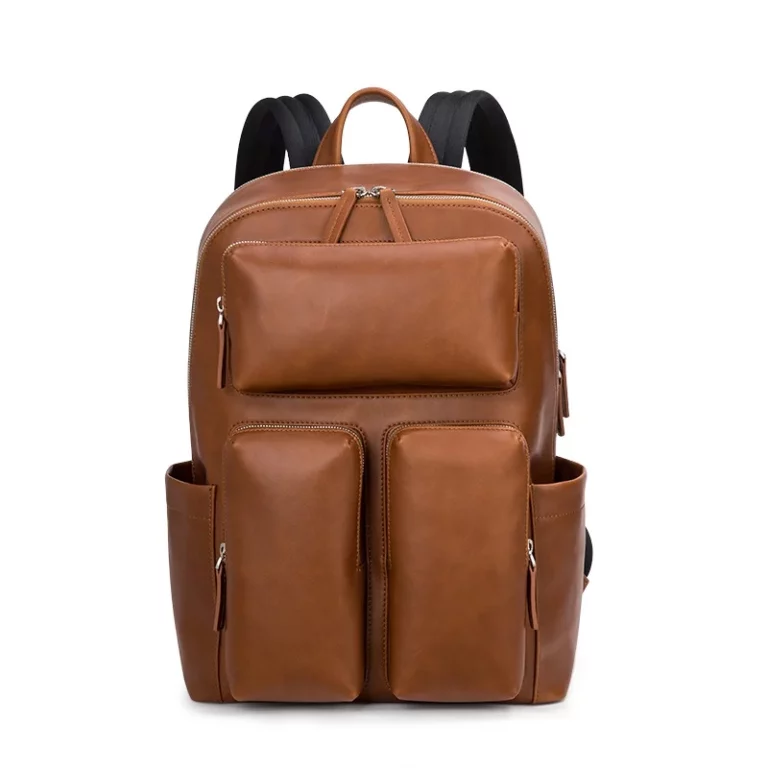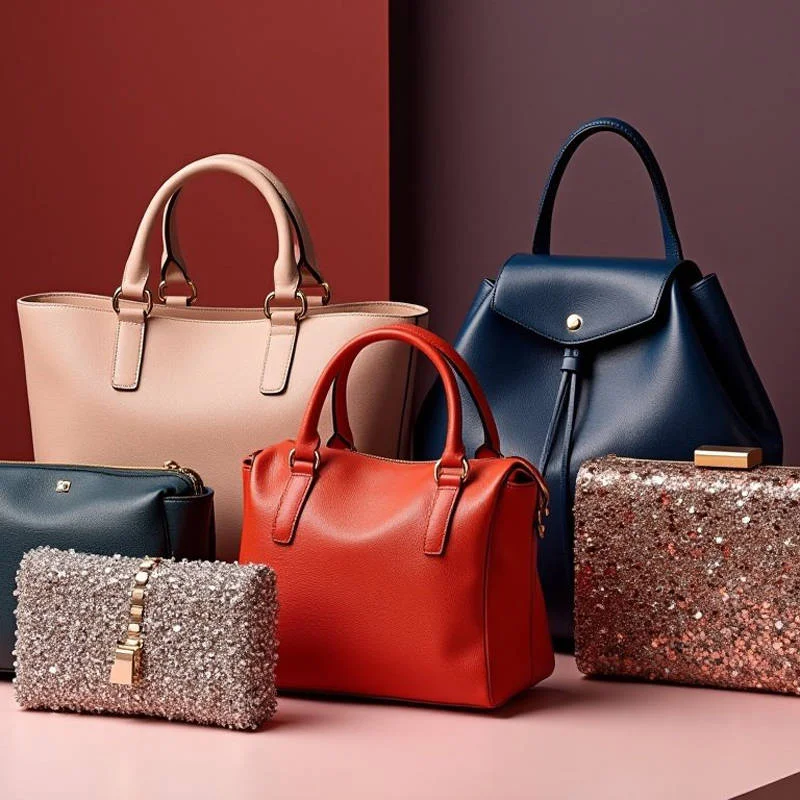
For many handbag brands, from start-ups to global giants, finding a handbag factory in China is a strategic decision. Because in China, handbag manufacturers not only offer competitive prices but also high-quality craftsmanship, for entrepreneurs, fashion brands or retailers who want to expand their scale, cooperating with Chinese factories is the most effective way to bring high-quality products to the market at feasible prices.
How to find a bag manufacturer in China? You can search on B2B platforms, at exhibitions, or directly visit the gathering places of leather bag manufacturers and verify. You can find a reliable handbag manufacturing partner that meets your quality, price and production requirements.
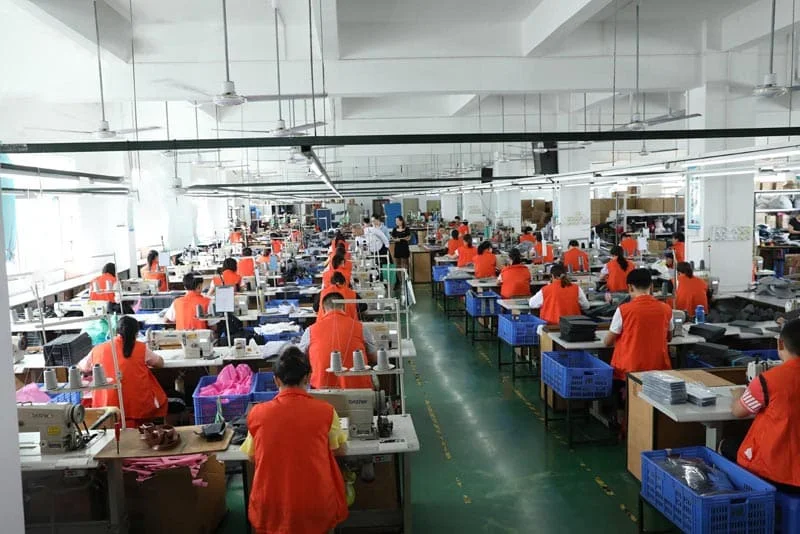
Why choose Chinese bag manufacturers?
Why look for bag factories in China? Because you find a handbag factory in China, you can get competitive prices, unparalleled scale, extensive customization, high-quality craftsmanship, and a streamlined supply chain that is unmatched anywhere else in the world.
1. Cost-effectiveness
- Lower production costs: Compared with manufacturers in Europe or North America, labor and operating costs in China are significantly lower. This way, higher profit margins or more competitive retail prices can be achieved.
- Economies of scale: Chinese factories are built for large-scale production. This means that as the order volume increases, the unit cost drops sharply, making it an ideal choice for medium and large enterprises.
- Integrated supply chain: Close to the source of raw materials (leather, fabric, hardware, zippers), it eliminates multiple layers of transportation and import tariffs, further reducing costs.
2. Manufacturing capacity
- Huge production capacity: Chinese factories can handle very large orders and complete them within tight deadlines, which is crucial for fulfilling orders from major retailers or seasonal releases.
- Advanced infrastructure: Many modern factories are equipped with the most advanced cutting, sewing, stamping and quality control equipment, ensuring high efficiency and consistency.
- Specialization: There are factories dedicated to each niche market.
High-end genuine leather handbags.
High-quality PU and vegan leather products.
Environmentally friendly and recyclable material bags.
Technology and outdoor backpacks.
3. Flexibility and customization (OEM/ODM services)
- OEM (Original Equipment Manufacturing) : You provide your own design, and the factory manufactures exactly according to your specifications.
- ODM (Original Design Manufacturing) : The factory can design, develop and produce complete products for you. If you want to make a choice from existing designs or need help with product development, this is perfect.
- Low minimum order quantity: Although large orders are common, many Chinese factories are now willing to cooperate with small brands and offer relatively low minimum order quantities, which is a significant advantage for start-ups.
4. Manufacturing skills and techniques
- Experienced labor force: Regions like Guangdong have a long history in leather and textiles. The workers are highly skilled in complex techniques such as precise splicing, leather engraving and hardware assembly.
- Quality grades: Contrary to the outdated stereotype of “low quality”, China produces products of various quality grades. You can find factories that produce for luxury brands and fast fashion brands, allowing you to precisely match your quality and budget requirements.
New trends in handbag manufacturing in China
Many factories are undergoing digital transformation. Smart factories have increased production efficiency by 18-25% or even more. Sustainability is also becoming increasingly important, with innovations such as coffee grounds and recycled polyester fabrics being transformed into new leather materials.
Before looking for a bag manufacturer, you need to define your requirements
- Product Specifications: Determine the type of handbag you need (such as leather, PU, nylon, eco-friendly materials), design complexity, target market and quality expectations.
- Order quantity: Estimate the quantity of your order. Factories usually have a minimum order quantity (MOQs), which can vary greatly. A larger quantity may lead to a better price negotiated.
- Budget: Develop a clear budget that includes the costs of materials, production, transportation, and potential tariffs.
- Customization levels: OEM, ODM, private label.
- Certification requirements: ISO, BSCI, etc.
- Target market standards: For example, compliance with the European Union and the United States.
Bag brands produced in China
- Luxury brands: The factory in Guangdong, produces handbags for Coach, Burberry and Michael Kors, combining craftsmanship with scalability.
- Fast fashion: Factories in Yiwu provide affordable handbags for Shein, Zara and Forever 21, enabling fashion styles to replenish inventories quickly.
- Niche brands: Small factories in Guangzhou collaborate with independent designers to create customized high-quality brands.
How to find a bag factory in China?
Search through online platforms
- Use B2B platforms such as Alibaba, Made-in-China, and Global Sources to look for factories. Filter the results by product type, location and supplier type (such as OEM/ODM).
- Through search engines like Google, you can directly search for the keyword “Chinese handbag manufacturer” to look for factories.
- Leverage social media and online communities: LinkedIn/ Facebook groups: Join industry organizations such as “Chinese Handbag Manufacturers” or “Leather Goods Procurement” to connect with suppliers.
Use Online B2B Platforms
These are the most efficient ways to search:
| Platform | What It Offers |
| Alibaba | Largest marketplace; thousands of factories. Use filters for verified suppliers and trade assurance. |
| 1688.com (in Chinese) | Domestic Chinese B2B platform. Lower prices, but needs Chinese or an agent to navigate. |
| Global Sources | More curated than Alibaba; often used by serious buyers. |
| Made-in-China | B2B platform focusing on verified Chinese manufacturers. |
| DHgate | More suitable for smaller orders and samples. |
Attend the exhibition to look for bag manufacturers
- The Canton Fair held in Guangzhou is the largest trade fair in China. Many handbag factories are at the exhibition.
- APLF Hong Kong: A major international trade fair for leather, materials and fashion accessories.
- Xiamen International Luggage and Leather Goods Fair: It will be held from November 27th to 29th, 2025. This year’s fair will gather over 300 exhibitors, covering an exhibition area of 30,000 square meters, and will cover the entire industrial chain from finished products to raw materials and machinery.
Industrial Center: Focus on key areas for bag manufacturing.
- Guangdong Province (Guangzhou, Dongguan and Shenzhen) is a major hub for handbags and leather goods. For instance, Guangzhou Custom Leather Handbags Manufacturer is located in Baiyun District, Guangzhou City. There are also many factories in Shenzhen and Dongguan, some of which specialize in OEM/ODM services.
- Zhejiang Province is renowned for its fashionable and high-quality handbags, including leather and PU ones. The key cities are Wenzhou, Pinghu and Yiwu.
- Fujian Province: A major hub for backpacks and outdoor bags, Quanzhou City is an important center.
Make use of industry directories and associations
- China Leather Industry Association (CLIA) : Provides a directory of member factories specializing in the production of leather goods.
- Local government websites: Many cities (such as Guangzhou and Dongguan) list certified manufacturers on their official portal websites.
Types of bag suppliers
- Manufacturer: More suitable for large orders and low prices, but it may require a longer delivery time.
- Trading company: Suitable for small orders and a diverse range of products, but may charge higher fees.
Things to do after finding a bag manufacturer
How to evaluate the qualifications of a bag factory?
- Business license: Verify the commercial registration and certification of the factory (such as ISO standards).
- Production capacity: Evaluate equipment, machines and labor force. For instance, some factories have detailed production capacities.
- Experience and expertise: Review their portfolios. Do they produce similar handbags? For instance, some factories focus on non-leather bags (such as PVC/PU), while others specialize in leather goods.
- Customer reviews and recommendation letters: View feedback or request recommendation letters from previous customers on the B2B platform.
Request samples from the bag factory and verify the quality
- Samples: Samples are always required to check quality, materials and processes. Be vigilant against suppliers who refuse to provide samples.
- Quality control: Inquire about their quality control process. For instance, some factories carry out multiple quality inspections during the production process.
Communicate with the bag manufacturer
- Clear communication: Discuss in detail your requirements (materials, design, logo, packaging). Use translation tools to overcome language barriers.
- Pricing and terms: Negotiate the price, payment method (such as telegraphic transfer, letter of credit, PayPal), and Incoterms (such as FOB, EXW). Avoid choosing the lowest price without quality guarantee.
- Contract: Ensure there is a detailed contract, including product specifications, prices, delivery times, quality standards and penalties for violations.
Visit the handbag factory
If feasible, visit the factory to inspect the facilities, production lines and working conditions. Alternatively, hire a procurement agent to conduct on-site verification.
Plan the logistics and shipping of finished bags
- Transportation terms: Clearly define transportation responsibilities (for example, FOB means that the factory handles the goods until they are loaded onto the ship).
- Logistics partner: Choose a reliable sea/air freight forwarder. Take into account factors such as transportation time, cost and insurance.
- Customs and Tariffs: Understand the import regulations and tariffs of the destination country.
Consider using a bag purchasing agent
For beginners or large orders, purchasing agents (for example, Super International Purchasing) can assist suppliers in review, negotiation, quality control and logistics. They utilize local expertise to reduce risks.
When looking for a bag manufacturer, avoid common traps
- Language barrier: Use clear and simple language and confirm all details in writing.
- Too low price: An extremely low price may indicate impaired quality or fraud.
- Skip samples: Never skip sample testing before mass production.
- Payment security: Use secure payment methods (for example, PayPal for small orders and letters of credit for large orders) to avoid paying the full amount in advance.
Example Bag Factories
| Factory Name | Location | Specialization | Key Features |
| Guangzhou Custom Leather Handbag Manufacturer | Guangzhou | High end handbags | OEM/ODM, design services, 100-300 employees |
| Wah Sun Handbags International | Dongguan/Cambodia | Non-leather bags (PVC/PU) | OEM, exports to US/Europe, large scale |
| Shenzhen Gao Feng Handbag Factory | Shenzhen | Genuine leather bags | Supplies to European markets, OEM |
| Shenzhen Huayu Handbag Factory | Shenzhen | Non-woven eco-bags | Eco-friendly, large daily production capacity |
Conclusion
Finding a reliable handbag manufacturer in China requires in-depth research, clear communication and due diligence. Starting from online platforms, verify credentials, request samples, and consider visiting factories or using purchasing agents to achieve a smoother process. Give priority to bag factories that meet your product requirements, quality standards and budget.
If you are looking for a manufacturer of high-end leather bags in China, you can choose us. We have 20 years of experience in manufacturing high-end leather bags.