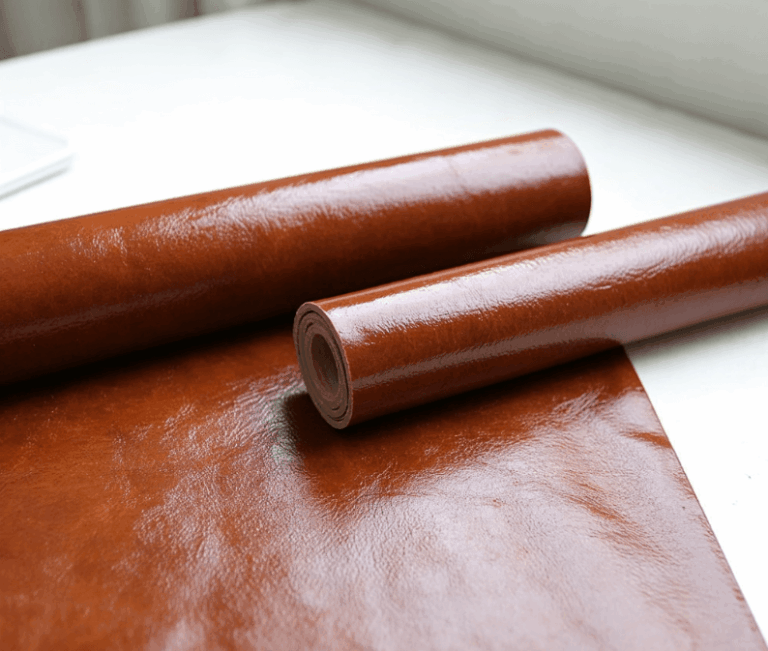
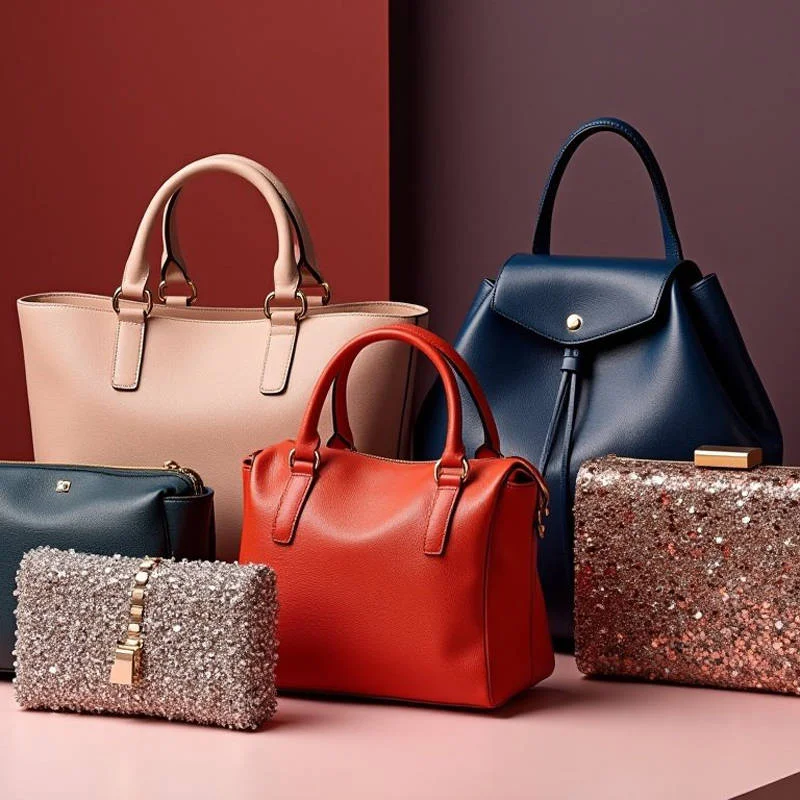
Goatskin is a high-end leather material, made from the natural skin of adult goats. It is renowned in the leather industry as the “all-rounder” due to its excellent durability, lightness, and unique grain texture.
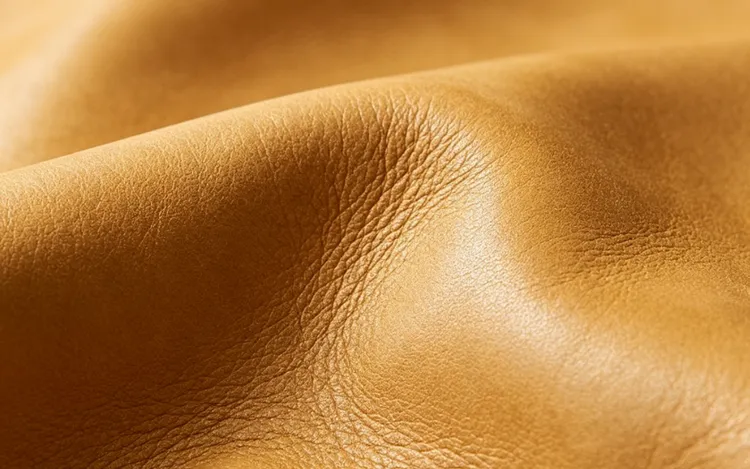
The surface of goatskin usually features natural and fine textures and a slight grain effect, giving it a more layered and sophisticated appearance. It is widely adopted by luxury brands such as Chanel and Prada.
Goatskin is one of the top leathers used for making bags. Its greatest advantage lies in balancing softness and strength – it is lighter and softer than cowhide, and more durable and long-lasting than sheepskin, with a lifespan of 10 to 20 years. It is highly suitable for manufacturing daily commuting bags, high-quality handbags, gloves, and other items.
This post will explore the characteristics of goatskin and its applicability in bag-making.
What Is Goat?
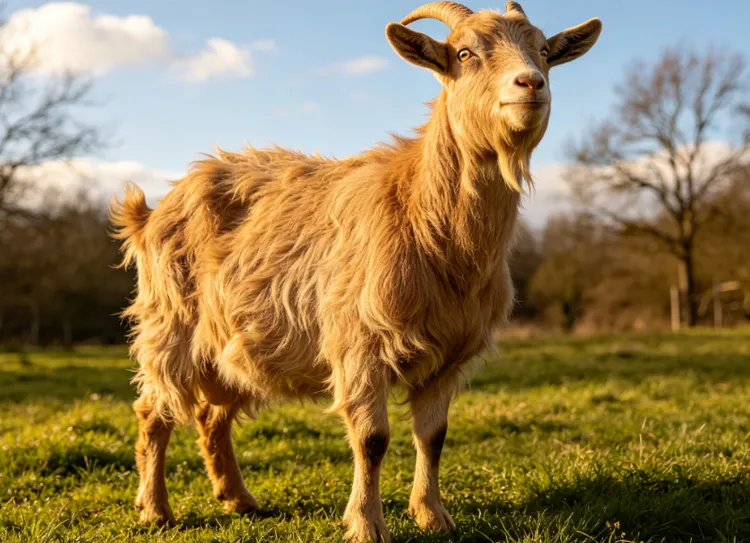
The goat (Capra aegagrus hircus) is a domesticated hoofed mammal that is typically raised for milk, meat, fiber, and leather.
Goats belong to the genus Capra of the family Caprinae. Goats are known for their agility, curiosity, and adaptability. They are raised all over the world and there are numerous breeds.
There are 150+ breeds worldwide, including dairy (Saanen), meat (Boer), fiber (Angora/Cashmere), and leather types.
Key Facts at a Glance
Feature
Detail
Size
45 kg avg; 64 cm tall (range: 9–113 kg, 26–107 cm)
Horns
Both sexes; hollow, curved backward (scimitar/spiral shape)
Beard
Males have a distinctive chin beard
Eyes
Rectangular pupils when dilated
Lifespan
~15–18 years
Global population
~435 million (China #2 after India)
Types of Goats
Category
Examples
Dairy breeds
Saanen, Nubian, Alpine, Toggenburg
Meat breeds
Boer, Kiko, Spanish goat
Fiber breeds
Angora (mohair), Cashmere (cashmere wool)
Dual-purpose
LaMancha, Oberhasli
Personality & Behavior
Trait
Description
Agile climber
Can scale cliffs & stand on hind legs to reach high branches
Great sense of smell
Will refuse contaminated food/water
Skittish but brave
Easily startled, yet males fight head-on by ramming horns
Eats 600+ plant species (vs. sheep’s 80%) –leaves, shrubs, bark
Ruminant
Chews cud ~8 times/day, 200-800 min total
Goat vs. Sheep — Quick Compare
Goat
Sheep
Hair
Straight, short
Curly, long
Horns
Both sexes
Mostly males
Tail
Short, up-curved
Long, hanging
Personality
Bold, curious, aggressive
Timid, flock-following
Leather
Tough, scaly grain, durable
Soft, smooth grain, delicate
Taste
Stronger, gamier
Milder
In short: The goat is a resilient, intelligent, and capable of climbing any object herbivorous animal. It can provide us with milk, meat, cashmere, and the most durable leather on the planet.
The Uses of Goats
Meat: Goat meat is a protein source in many regions.
Milk: It is highly nutritious and is often used to make cheese (such as Greek feta cheese).
Fiber: Angora wool (from Angora goats) and cashmere (from specific goat breeds) are high-end textile raw materials.
Leather: Goat leather (Goatskin) is used for shoes, bags and gloves due to its durability and flexibility.
What Is Goatskin Leather?
Goatskin leather is a type of natural leather, made from the hide of domestic goats (adult goats, as opposed to lambskin from young lambs or kid leather from young goats). In the leather industry, it is highly regarded for its unique strength, lightness, and distinctive texture.
Key Characteristics of Goatskin Leather
Feature
Description
Source
Adult goats (e.g., Capra hircus)
Fiber structure
Tight, compact, and interlocked – gives excellent tear strength
Surface grain
Natural, pebbled “goat grain” – small, irregular bumps; very distinctive
Softness
Supple and flexible, but not as buttery as lambskin
Durability
Very high – abrasion-resistant and hard to tear
Weight
Light to medium – lighter than cowhide, similar to sheepskin
Water resistance
Naturally good due to residual lanolin (wool grease)
Bag – Daily handbags, large capacity handbags, crossbody bags (durable and lightweight)
Gloves – Formal gloves, driving gloves (soft and sturdy)
Footwear – Casual shoes and formal shoes, boots (breathable and durable)
Binding Technique – Traditional “Moroccan Leather” (sheepskin tanned with plants)
Interior Decoration – Durable and soft covering materials for high-end furniture
Care Tips
Do ✅
Don’t ❌
Wipe with damp cloth
Soak in water
Apply leather conditioner regularly
Store in plastic (let it breathe!)
Use a wooden hanger or breathable dust bag
Leave in direct sunlight
Repel water with a protector spray
Use harsh chemicals
Is Goatskin Leather Durable?
Yes, the leather made from goatskin is extremely durable. In fact, in terms of weight, it is among the most durable types of leather.
Why Is Goatskin Leather Durable?
The closely interwoven fiber structure – the fibers of goatskin are densely arranged and interwoven with each other, which gives it excellent tear strength and wear resistance. Its strength is much higher than that of sheepskin or lambskin.
Natural toughness – adult goats live in harsh environments (climbing, rubbing against vegetation), which makes their fur have natural toughness.
Scratch-resistant – the natural granular texture helps to cover minor scratches and abrasions, and can maintain a good appearance even after frequent use.
The oldest European book (St Cuthbert Gospel, ~1,300 years old) is bound inآ red goatskinآ — still intact
The One Caveat
Not ideal for…
Why
Heavy structural use (e.g., work boots, saddles)
Cowhide is still thicker & tougher for extreme abuse
Showroom-only luxury
Less smooth/sleek than calfskin or lambskin — it’s a working leather, not a display leather
Durability Ladder (Battlefield Ranking)
Among common bag leather materials, the durability ranking of goat leather is as follows:
First tier (heavy-armored warriors): Cowhide (Bullhide) > Buffalo hide
Second tier (all-round players): Goat leather (Goatskin) [Best balance of cost-effectiveness and durability]
Third tier (precious materials): Pigskin > Lambskin> Suede
Is Goatskin Leather Expensive?
It’s not expensive. The price of goatskin leather is relatively moderate. Goat skin falls within the “affordable luxury” price range in the leather market: its price is lower than that of full-grain cowhide, lower than that of lambskin, and much lower than that of exotic leathers (such as crocodile skin, ostrich skin, etc.).
Comparison of Costs
Compared to cowhide: Usually a little more expensive. Cowhide is the “main product”, thanks to the cost advantage brought by large-scale production, the price per square foot is lower.
Compared to lambskin: Usually a little cheaper or the same. Lambskin leather is favored due to its extreme softness, but it is relatively fragile, and its smaller skins will increase the cost.
Compared to rare leathers: Much cheaper than crocodile skin or ostrich skin. The latter may cost up to several hundred dollars per square foot.
Goats are the most populous livestock globally (~435 million) — raw material is plentiful
Fast production cycle
Goats mature in ~1 year vs. 2–3 years for cattle
Thinner hides
Smaller hide size (0.5–0.9 m²) = less material per hide
High yield
Fewer defects than sheepskin; tighter grain = less waste in cutting
B2B friendly
Wholesale pricing is very competitive — ideal for gloves, shoes, accessories
Factors Affecting the Price of Goatskins
Quality grade: Full-grain goatskin leather retain the natural texture and strength of the outermost layer of the leather, and have the highest price; polished goatskins, which have undergone polishing treatment, have a relatively lower price.
Processing treatment: Goatskin leather that have undergone special tanning, dyeing or printing processes will have a price that is 20% – 50% higher than those with ordinary processing.
Origin and brand: Goatskin leather from traditional leather-producing regions such as Italy and France, as well as goatskins used by well-known brands, will have significantly higher prices than those from ordinary regions and without brands.
Market supply and demand: When the demand for goatskin leather in the market increases while the supply is insufficient, the price will rise; conversely, it will fall.
The “Brand Tax” Factor
The final price of a leather bag made of goatskin leather has less to do with the quality of the leather itself and more to do with the markup percentage set by the brand. A handbag made of goatskin leather from a modern brand might cost between $300 and $600, while the same type of leather made by Hermès (its product named “Chevre”) requires a markup of over $5,000 due to its exquisite craftsmanship and brand reputation.
Is Goatskin Leather Soft?
Yes, it can be definitely stated that goatskin is definitely a kind of soft leather. Its softness is a unique experience that combines toughness, support, and a distinctive touch, rather than being merely delicate. Its softness is different from that of extremely smooth leather like lambskin; its texture is harder and more structured.
Core Feel: Flexible, Not Floppy
Unlike the extremely soft and unsupported texture of lambskin, the softness of goatskin can be precisely described by the following words:
Flexible: It is soft, but not flimsy. The texture carries a strong sense of firmness, and it will not easily deform.
Skin-friendly: The high content of natural lanolin makes it feel gentle and comfortable. It is even hailed as a leather that can “keep the skin soft”. The bags made from it will not feel cold or stiff even when placed against the arm.
Three-dimensional: It retains the natural grain, and feels like having a fine texture of particles. This not only enhances the anti-slip property and three-dimensionality, but also can ingeniously hide small scratches over a long period of use.
Goatskin vs. Other Common Leathers
Property
Goatskin
Lambskin & Sheepskin
Calfskin & Cowhide
Hand feel description
Supple, resilient, natural pebbled texture
Extremely soft, buttery, smooth
Firm, solid, substantial feel
Core experience
Comfortable against skin, supportive
Ultimate skin comfort, excellent drape
Sturdy, reliable, secure
Softness level
High
Extremely high
Medium to high (varies by finish)
Durability
Very good (abrasion- and tear-resistant)
Poor (easily scratched and worn)
Excellent (very tough)
Water resistance
Naturally good (due to lanolin)
Poor (very sensitive to water)
Fair (usually treated)
Typical uses
High-quality bags, gloves, footwear
Luxury handbags, high end fashion
Briefcases, durable backpacks, belts
One line summary
A “practical performer” – soft yet strong
A “treasured jewel” – handle with care
A “rugged workhorse” – sturdy and reliable
Softness Ranking (All Leathers)
Rank
Leather
Softness
Feel
1
Lambskin
⭐⭐⭐⭐⭐
Silk, buttery, melts in your hand
2
Kidskin (Baby Goat)
⭐⭐⭐⭐⭐
Ultra-soft, velvety
3
Goatskin (Adult)
⭐⭐⭐⭐
Supple, smooth, slight grain
4
Calfskin
⭐⭐⭐⭐
Soft but firmer than goatskin
5
Cowhide (Full-Grain)
⭐⭐⭐
Stiff at first, softens over years
Softness Ranking
Leather
Softness Level
Lambskin
⭐⭐⭐⭐⭐ — Extremely soft, buttery
Deerskin
⭐⭐⭐⭐⭐ — Very soft
Calfskin
⭐⭐⭐⭐ — Soft and smooth
Goatskin
⭐⭐⭐ — Soft, but with a firmer, more structured feel
Cowhide
⭐⭐ — Stiff initially, breaks in over time
Why Goatskin Feels the Way It Does
Factor
Explanation
Thin hide
Goat skin is naturally thinner → more flexible → feels softer
Tight collagen fibers
Densely packed but fine → supple, not stiff
Pebbly grain
The raised texture gives a slight roughness vs. lambskin’s glass-smooth finish
Natural lanolin
Built-in oils keep it naturally supple — doesn’t dry out like cowhide
No break-in needed
Soft from day one
Goatskin vs. Lambskin — The Real Softness Test
Goatskin
Lambskin
First touch
Soft immediately ✅
Soft immediately ✅
Texture
Slight pebbly grain
Glass-smooth, silky
“Sink-in” feel
Moderate
High — like sinking into butter
Flexibility
Very flexible
Extremely flexible — almost floppy
After 1 year
Stays soft ✅
Gets even softer ✅ (but more fragile)
Winner for softness?
Close second
Undisputed champion
Is Goatskin Leather Waterproof?
No. It’s Water-Resistant, NOT Waterproof.
Goatskin leather is not completely waterproof, but compared to softer leathers such as sheepskin or suede, its waterproofing performance is stronger.
Goatskin leather has excellent water repellency due to its natural lanolin, but this is not the same as “fully waterproof”. It is better at handling minor accidents in daily life, but is not suitable for prolonged soaking in heavy rain.
Water Resistance Scorecard
Leather Type
Water Resistance
Can It Handle Rain?
Exotic (Croc/Snake)
⭐⭐⭐⭐⭐
Yes — near waterproof
Goatskin
⭐⭐⭐⭐
✅ Light rain, splashes — fine
Full-Grain Cowhide
⭐⭐⭐
Moderate
Lambskin
⭐⭐
❌ Poor — absorbs fast
Suede (any)
⭐
❌ Terrible
Why Is Goatskin So Water-Resistant?
Factor
How It Works
Natural lanolin
Goat skin is rich in waxy oils — these create a built-in water-repellent barrier
Tight pebbly grain
The dense, raised grain structure prevents water from penetrating easily
Thin but dense (0.6–0.8mm)
Less porous than lambskin = water has a harder time soaking in
Tightly woven collagen fibers
Resist water absorption better than looser-grained leathers
If caught in rain, blot dry immediately with soft cloth
Every time it gets wet
❌ NEVER use
Hair dryer, radiator, or direct sunlight to dry
—
Goatskin vs. Other Leathers — Water Test
Goatskin
Cowhide
Lambskin
Suede
Light rain
✅ Handles it
✅ Handles it
⚠️ Gets damaged
❌ Ruined
Spill
✅ Wipe & go
✅ Wipe & go
❌ Soaks in
❌ Permanent stain
Full submersion
⚠️ Damaged
⚠️ Damaged
❌ Destroyed
❌ Destroyed
Winner for rain?
Second Place (Silver Medal)
Second Place (Silver Medal)
❌
❌
How to Enhance Goatskin Leather Waterproof?
The durability of goatskin leather bags is highly dependent on post-purchase care:
Waterproof Spray (Silicone Spray): After purchasing a new bag, it is recommended to spray a professional leather waterproof agent immediately. This will form a hydrophobic film on the surface, significantly enhancing the ability to resist splashes.
Emergency care: If it gets wet, do not heat or expose it to direct sunlight. Instead, immediately use a dry cloth to absorb the surface moisture, then place it in a cool and ventilated area to air dry (you can stuff newspapers inside to help shape and absorb the moisture).
Regular nourishment: Use leather care oil or cream to replenish the natural oils lost due to sun exposure and usage, maintaining its flexibility and water resistance.
Daily Use and Maintenance Tips
No problem with daily water resistance: Minor splashes during normal life can be easily wiped dry with a soft cloth. There is no need to worry excessively.
Avoid getting wet and soaking: Try not to wear or carry goat leather items on rainy days. If you get wet accidentally, promptly use a dry cloth to absorb the moisture and place it in a cool and ventilated place to air dry. Avoid direct sunlight or using hot air to dry it, as this can cause the leather to harden and crack.
Regular maintenance for enhanced protection: Regularly use specialized leather care oil or waterproof spray for maintenance. This not only keeps the leather soft and shiny but also enhances its waterproof and stain-resistant properties to a certain extent.
Is Goatskin Leather Good for Making Bags?
Yes, goatskin leather is highly suitable for making bags, and it is a superior choice that combines durability, lightness, and unique texture. It is often referred to as the “all-rounder” in the leather industry, achieving a good balance between softness, durability, flexibility, and cost-effectiveness.
It is highly favored in both high-end and everyday bags because it achieves a good balance between high-end texture and practical performance.
Goatskin leather combines the three key advantages of luxurious appearance, durability, and lightweight comfort, making it an ideal choice.
Why Is Goatskin Leather Suitable for Making Bags?
Very durable – The closely interwoven fibers give it the properties of being tear-resistant and wear-resistant.
Lightweight – It is much lighter than cowhide, making the bags very comfortable to carry.
Naturally waterproof – It contains lanolin, which can resist light rain and minor splashes.
Soft but supportive – Flexible yet not loose; maintains a good shape.
Unique texture – The natural pebble-like pattern can hide minor scratches and remains fresh over time.
High value for money – Usually cheaper than sheepskin or calfskin of the same quality.
Summary of theAdvantages of Goatskin Leather for Bags
Feature
Benefit for bags
Very durable
Tight, interlocked fibers provide excellent tear and abrasion resistance. Handles daily commuting well, resists scratches and edge wear.
Lightweight
Much lighter than cowhide, so bags are easy to carry all day without fatigue.
Naturally water resistant
Contains lanolin – repels light rain and accidental splashes. Stains don’t penetrate easily, making daily care easier.
Unique texture
Distinct natural pebbled grain hides minor scratches and develops a beautiful patina over time.
Great value
High quality at a price usually lower than comparable lambskin or calfskin – a smart, premium choice.
Minor Downsides to Know
Drawback
Explanation
Not fully waterproof
Handles light moisture well, but prolonged water exposure can damage it.
Slightly firmer feel
Compared to ultra-soft lambskin, it’s a bit stiffer initially (though still very supple).
Metallic/coated versions wear
If you get a metallic goatskin bag (like Chanel’s iridescent finish), the coating can wear off over months — save it for special occasions.
Goatskin vs. Other Leathers for Bags
Goatskin
Lambskin
Cowhide
Suede
Durability
⭐⭐⭐⭐⭐
⭐⭐⭐
⭐⭐⭐⭐⭐
⭐⭐
Softness
⭐⭐⭐⭐
⭐⭐⭐⭐⭐
⭐⭐⭐
⭐⭐⭐⭐⭐
Water resistance
⭐⭐⭐⭐
⭐⭐
⭐⭐⭐
⭐
Weight
Light
Lightest
Heavy
Light
Shape retention
⭐⭐⭐⭐⭐
⭐⭐⭐
⭐⭐⭐⭐⭐
⭐⭐
Daily use?
✅ PERFECT
❌ Too delicate
✅ Good but heavy
❌ Nightmare
Best for…
Everyday bags
Evening/occasional
Work/travel bags
Fashion statements
Conclusion
Goatskin leather combines softness with toughness, texture with practicality, making it an ideal choice for creating durable, lightweight and high-end daily bags. It is one of the most popular leather materials in high-end leather goods manufacturing.
The price of goatskin leather is in the mid-to-high end of the affordable range. Goatskin leather avoids the high cost of luxurious lambskin leather and the fragility of fashionable suede leather. It requires very little daily maintenance and is suitable for almost all bag styles, from commuter handbags to shoulder bags and fashionable cross-body bags.
If you are running your own high-end bag brand and are designing a bag made of goatskin leather, please feel free to contact us. Let’s work together to promote your brand.