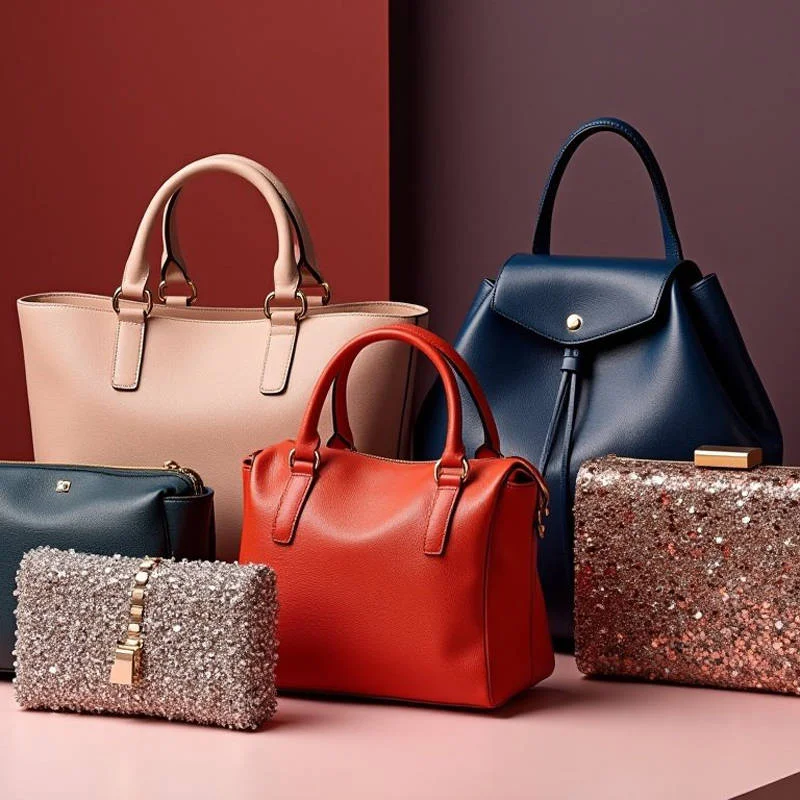
Bag Hardware refers to all the metal accessories on a bag. It is one of the most important components of a bag.
For bag brands, choosing high-quality hardware can significantly enhance the durability, feel, and value of the bag. Customizing high-quality hardware with the brand logo is also an important way to strengthen the brand image.
How to choose the right bag hardware for your brand? The best materials and craftsmanship standards for bag hardware depend on the product’s positioning (luxury, durability, cost-effectiveness).
This post will explore the materials and craftsmanship of luxury bag hardware.
What Is Bag Hardware?
Bag hardware refers to the metal accessories installed on bags for functional or decorative purposes. These accessories include zippers, buckles, clasps, D-rings, rivets, foot spikes, handles, shoulder strap buckles, and logo plates, etc.
Bag hardware serves both functional and decorative purposes: it enables opening and closing, connection, adjustment, reinforcement and other practical functions, while also determining the overall texture, appearance style and brand recognition of the bag.
In short, bag hardware refers to the collection of small components that constitute the structure, practicality and design details of the bag.
Core Categories of Bag Hardware
| Category | Key Components | Function & Importance |
| Closures | Zippers, magnetic snaps, buckles, turn-locks, hooks. | Security & Access. The most interacted-with hardware. Quality defines daily usability. |
| Carrying Systems | Handles, shoulder straps, adjustable sliders, metal chains, swivel hooks. | Comfort & Ergonomics. Bears the bag’s weight. Failure here renders the bag useless. |
| Connectors & Reinforcements | D-rings, O-rings, rivets, eyelets, grommets. | Structural Integrity. Distributes stress at high-tension points (strap attachments). |
| Protectors & Feet | Metal or plastic feet on the bag’s base. | Durability & Protection. Prevents wear, keeps the bag upright, and protects contents. |
| Decorative Elements | Logo plaques, studs, charms, decorative chains. | Brand Identity & Aesthetics. The visual signature that communicates style. |
Types of bag hardware
| Hardware Type | Function | Typical Materials |
| Zipper | Opens/closes compartments | Brass, zinc alloy, stainless steel |
| Slider / puller | Moves along zipper teeth | Zinc alloy, brass, resin |
| Buckle | Adjusts strap length; secures flaps | Zinc alloy, brass, stainless steel |
| Clasp / latch / lock | Closes the bag or flap | Zinc alloy, brass (often plated) |
| D-ring / O-ring | Attaches straps or accessories | Stainless steel, brass, iron |
| Rivet | Reinforces stress points | Brass, copper, zinc alloy |
| Stud / snap button | Fastens flaps or pockets | Brass, stainless steel |
| Feet / bottom studs | Protects bag bottom from wear | Zinc alloy, brass, stainless steel |
| Handle grip / holder | Connects handle to bag body | Zinc alloy, brass |
| Decorative plate / logo plate | Branding and ornamentation | Zinc alloy, brass, copper, stainless steel |
Common Materials of Bag Hardware
| Material | Characteristics | Typical Use |
| Zinc alloy | Affordable, castable into complex shapes, can tarnish | Budget to mid-range bags |
| Brass | Durable, develops patina, premium feel | High-end leather goods |
| Stainless steel | Corrosion-resistant, strong, modern look | Outdoor/technical bags |
| Aluminum | Lightweight, can be anodized in colors | Sport bags, ultralight gear |
| Iron/Steel (plated) | Strong, cost-effective, risk of rust if plating fails | Heavy-duty bags |
| Plastic (ABS, nylon) | Lightweight, color options, less durable | Casual bags, children’s bags |
| Recycled metals | Sustainable credential, variable quality | Eco-conscious brands |
Hardware Finishes
| Finish | Appearance | Style |
| Polished nickel/silver | Bright, reflective | Classic, professional |
| Antique brass | Warm, aged | Vintage, heritage |
| Matte black | Modern, understated | Minimalist, urban |
| Gunmetal | Dark gray, subtle | Contemporary, edgy |
| Gold (plated) | Luxurious, bright | Luxury fashion |
| Rose gold | Warm pink tone | Feminine, trendy |
Why Are Hardware Components So Important?
High-quality hardware can produce significant effects:
Cheap hardware → prone to wear, scratches, and damage
High-quality hardware → heavier, smoother, more durable, and with better surface treatment
The benefits of high-quality hardware:
- Durability: High-quality hardware can resist fading, bending or breaking. High-quality zippers are less likely to break, buckles are less likely to deform, and the electroplating layer is highly durable.
- Perceived value: Smooth zippers and substantial buckles can create a “luxurious feel”.
- Brand image: Custom hardware with logo imprints can make your brand stand out.
- Surface consistency: The color and texture must be completely consistent on all components (such as “palladium gold” or “bronze gold”).
This is why luxury brands invest a lot of money in this area – it is not just a decorative element, but also an important part of the quality and texture of the entire handbag.
Material Quality Range
- Luxury level: Solid brass (not hollow), physical vapor deposition coating for scratch resistance, hand-polished surface, custom molds (without universal components).
- Mid-range market: Zinc alloy or stainless steel, electroplated surface (less durable), standardized off-the-shelf components.
- Fast fashion: Plastic reinforced metal or thin alloy, peeling paint coating, rough-operating lightweight zippers.
What Is Luxury Bag?
Luxury bags are high-end accessories that go beyond the basic function of carrying items. Their value lies in their exquisite craftsmanship, the materials used, artistic expression, heritage, and brand characteristics. They become a symbol of social status, wealth, and personal taste.
Their definition is not merely about the price, but also encompasses a series of specific and abstract qualities that create a sense of desire and rationalize their price (which may be hundreds of times the production cost).
The Characteristics of Luxury Bags
- High-quality materials: Usually made of high-grade leather, suede or specially treated fabrics.
- Exquisite craftsmanship: Many products are handcrafted or produced through strict quality control.
- Eternal design: The designs often have iconic features or are trend-setting, sometimes becoming collectibles.
- Uniqueness: Limited production or long waiting lists enhance their appeal.
- High price: Reflects the brand value, material cost and labor cost.
- Symbol of status: Considered as a symbol of wealth, taste or fashion consciousness.
Essentially, a high-end bag not only has practicality but also embodies artistry, heritage significance and social symbolic meaning.
Core Elements That Define a Luxury Bag
| Dimension | Description | Examples |
| Premium Materials | Uses full-grain leather, exotic skins (crocodile, ostrich, lizard), precious metal hardware (gold/palladium plating), high-density coated canvas, etc. | Hermès crocodile leather, Chanel lambskin, Louis Vuitton Monogram canvas. |
| Exquisite Craftsmanship | Hand-stitching (e.g., Hermès saddle stitch), rigorous quality control (hardware salt spray tests, uniform stitch length), edge finishing, premium linings. | Hermès: one artisan, one bag; Chanel diamond quilting. |
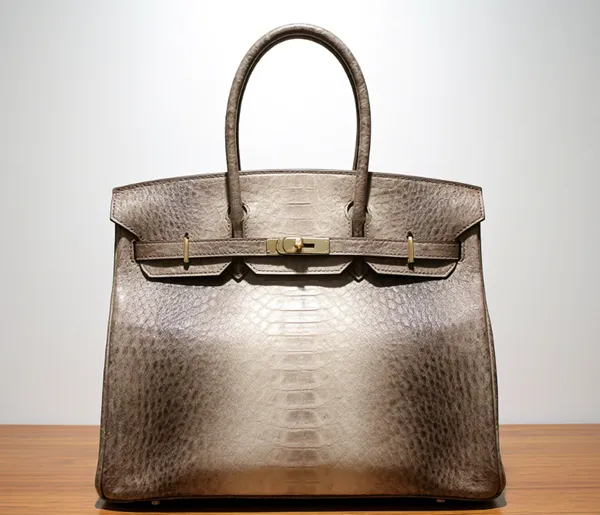
| Iconic Design | Features signature elements such as timeless silhouettes, logos, clasps, chains, etc. Designs often transcend seasons and become enduring classics. | Chanel 2.55 “Mademoiselle” lock, Hermès Birkin lock, Gucci horsebit detail. |
| Brand Heritage & Story | Decades or centuries of heritage, stories linked to royalty, celebrities, or historical events. | Hermès began as a harness maker in 1837; Louis Vuitton’s bespoke travel trunks. |
| Scarcity & Exclusivity | Limited production runs, selective distribution (sold only in official boutiques), waitlists (e.g., Birkin). | Hermès Kelly and Birkin require prespend or wait for years. |
| High Price & Value Retention | Selling prices typically start at several thousand US dollars, with top models reaching hundreds of thousands. Many classic styles hold or even appreciate in value on the resale market. | Hermès Birkin frequently reaches record prices at auctions. |
Representative Brands and Classic Models
- Hermès: Birkin, Kelly, Constance – Symbols of top craftsmanship and rarity.
- Chanel: 2.55, Classic Flap, Boy – Diamond-shaped pattern, leather straps, double C lock.
- Louis Vuitton: Speedy, Neverfull, Capucines – Monogram canvas and leather combination, travel genes.
- Gucci: Dionysus, Jackie 1961 – Italian craftsmanship such as horsebit and bamboo handle, retro aesthetics.
- Prada: Galleria – Saffiano cross-pattern leather, simple and modern.
The Cultural and Economic Significance of Luxury Bags
- Symbol of status: Owning a luxury handbag often indicates a high level of economic strength and fashion taste. Surveys show that affluent consumers view such purchases as an investment in quality and reputation.
- Resale value: Certain styles retain or increase in value over time. For instance, the Beyoncé bag by Hermès frequently appreciates in value at auctions due to its uniqueness.
- Trend influence: Luxury bags lead global fashion trends, and their designs gradually seep into fast fashion brands.
Consumer Motivations
- Self-expression: Buyers will choose bag styles that align with their personal aesthetic preferences – whether it’s the minimalist style (such as Celine) or the bold style (like Versace).
- Collectibility: The launch of limited editions and seasonal new products has stimulated the purchasing desires of enthusiasts.
- Moral appeal: Some brands emphasize sustainable development practices, thus attracting environmentally-conscious consumers.
Changing Trends and Significance
The concept of luxury bags is not static; it evolves along with consumers’ values and fashion trends.
- Low-key Luxury: A growing trend that emphasizes understated elegance rather than conspicuous branding. This “low-key luxury” or “hidden wealth” style emphasizes simple design, neutral colors, and superior material quality to convey elegance without seeming overly ostentatious.
- Sustainability: More and more consumers are considering the environmental impact of their purchasing decisions. This has led to an increasing number of luxury bags made with eco-friendly and innovative materials (such as plant-based or recycled leather). Brands like Stella McCartney are known for their commitment to cruelty-free practices and sustainable luxury.
- Personal Definition of Luxury: The definition of “luxury” has become increasingly personalized. For some, a luxury bag is not defined by a famous brand or an exorbitant price tag, but by the emotional value it carries. A bag can be a precious gift from a loved one or an important personal achievement, making it itself a form of “luxury”, regardless of its market price.
What Is the Best Material for Bag Hardware?
Based on industry standards and the practices of luxury brands, the “best” standards for bag hardware materials and craftsmanship depend on your specific application scenario – whether it is the pursuit of durability and luxurious aesthetics for daily wear, or cost-effectiveness.
Top-Quality Material: 316L Stainless Steel
For high-end brands that strive for the highest quality, 316L stainless steel is the top material in the industry. It is adopted by luxury brands such as Hermès, and is increasingly being accepted by other luxury brands.
| Property | Performance |
| Corrosion Resistance | Excellent. Resists salt, sweat, and humidity without coating; minimal tarnishing |
| Tensile Strength | 485–620 MPa, significantly higher than other materials |
| Surface Hardness | 150–220 HB; resists scratching and denting |
| Finish Durability | PVD and electroplated finishes last significantly longer on this hard substrate |
| Cost | Highest (approximately 10x zinc alloy), but finishes last 2-3x longer |
Most suitable: Daily-use tote bags, travel luggage, belt buckles, as well as any products that come into prolonged contact with the skin, sweat, or humid environments.
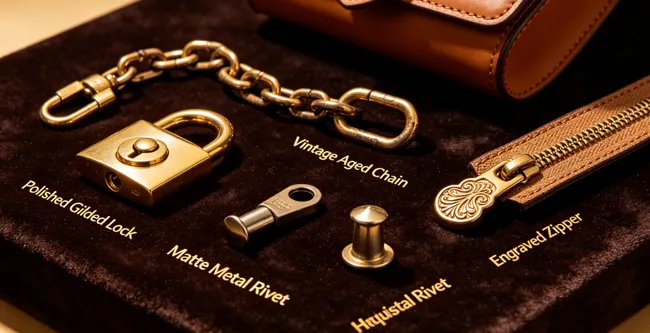
Luxurious Aesthetics: Solid Brass
For those who prefer the traditional vintage style and warm tones, and are open to the natural patina (oxidation), solid brass is the preferred choice for luxury bag brands.
| Property | Performance |
| Corrosion Resistance | Good; tarnishes naturally, develops patina over time |
| Tensile Strength | 300–500 MPa, good for decorative use |
| Surface Hardness | 55–100 HB, softest of the three; prone to scratching and denting |
| Touch & Feel | Warm, satisfying weight; classic tactile feel hard to replicate |
| Cost | Mid-range; premium material with traditional luxury associations |
The most suitable: Luxury handbags with logo plates, signature clasps, and a traditional series that exudes a natural patina.
Cost-Effectiveness: Zinc Alloy (Zamak 5)
For mid-range and stylish avant-garde designs, zinc alloy offers the best cost-performance ratio.
| Property | Performance |
| Corrosion Resistance | Moderate; requires protective plating; can oxidize if coating is damaged |
| Tensile Strength | 280–380 MPa (Zamak 5) |
| Surface Hardness | 80–120 HB; scratches more easily than stainless steel |
| Cost | Most economical per unit; typical cost $0.05–$0.30 per piece |
| Market Share | 80–90% of mid-range bag hardware uses zinc alloy |
Most suitable: Mass production, decorative hardware, logo signs, fashionable and avant-garde designs, and internal components.
Material Comparison
| Property | 316L Stainless Steel | Zinc Alloy (Zamak 5) | Copper / Brass |
| Corrosion Resistance | Excellent | Moderate (needs coating) | Low (tarnishes) |
| Tensile Strength | 485–620 MPa | 280–380 MPa | 300–500 MPa |
| Surface Hardness | 150–220 HB | 80–120 HB | 55–100 HB |
| Weight | Heavy (premium feel) | Light | Warm, satisfying |
| Finish Durability | Excellent (PVD lasts years) | Moderate (may chip) | Moderate (lacquer wears) |
| Relative Cost | Highest | Lowest | Mid-range |
| Best Application | Daily-wear, luggage | Volume production, decorative | Heritage, warm-tone designs |
Material Showdown: What to Choose
| Material | Best For | Pros | Cons |
| Zinc Alloy (Zamak) | Most Brands (Best Value) | Low cost, good strength-to-weight ratio, excellent for intricate casting. | Can feel “light” compared to brass; requires good plating to prevent corrosion. |
| Solid Brass | Luxury/Heritage Brands | Heavy preium feel, naturally anti-corrosive, develops a desirable patina over time. | Very expensive, heavy (increases shipping cost), requires polishing to maintain luster. |
| Stainless Steel | High-Stress Parts | Extremely strong, corrosion-resistant, modern look. | Difficult to cast intricate designs, higher cost than zinc. |
Why Is Brass the Best Choice for Luxury Bags?
- Durability: Brass is sturdy and durable, maintaining its structural integrity over time.
- Corrosion resistance: It naturally has anti-rust and anti-color-changing properties – especially after being sealed or treated with a coating.
- Aesthetics: It has a rich, warm hue similar to gold, and can be polished or treated in various ways (such as antique style, brushed, matte finish).
- Coating base: It is an ideal base for high-end surface treatments such as PVD (Physical Vapor Deposition), and can be in colors like gold, rose gold, black or matte.
- Industry standard: It is used by high-end brands such as Chanel, Gucci and Louis Vuitton for components like zippers, clasps, chains and bases.
What Are the Best craftsmanships for Bag Hardware?
In the bag manufacturing industry, the quality of hardware components is the key factor determining the final value of the products. To reach the top level of the industry, the processing and manufacturing of hardware must follow a complete set of high-standard processes from raw materials to the final product.
Material and Substrate Standards
The foundation of hardware determines its upper limit. Choosing high-quality substrate is the first step.
- High-end choice – Solid brass: Considered a symbol of luxury, it mainly follows the EN 12163 standard. It has a heavy feel and can add high-end tactile value to the product.
- Top durability – 316L stainless steel: Referencing the ASTM A240 standard, it is known for its excellent corrosion resistance and high hardness, making it an ideal choice for harsh usage environments.
- Cost-effective option – Zinc alloy: Compliant with the EN 12844 standard, it is the current mainstream choice (accounting for approximately 80-90%). It is cost-effective, highly malleable, and can easily be die-cast into complex logos or decorative patterns.
Process and Manufacturing Standards
Excellent base materials need to be realized through exquisite craftsmanship to achieve their value.
- Diverse surface treatments: Common processes include vacuum electroplating and traditional water electroplating (electroplating). These processes not only enhance the appearance of hardware but more importantly, form a protective film. The adhesion and thickness of the coating are core indicators and must undergo professional testing.
- Precise mold manufacturing: Precise molds are the prerequisite for ensuring the accurate size and shape of hardware, which directly affects the smoothness of zippers or the fit of buckles. Quality control (QC) during the production process is crucial, and industry standards such as MIL-STD-105E (ISO 2859-1) can be used as a reference for process control.
Testing and Inspection Standards
Strict testing is the gold standard for quality. Here are several key testing items and their industry standards.
Corrosion Resistance (Salt Spray Test): This is crucial for simulating the durability of hardware in humid and damp environments. Common standards include:
- International Standard: ISO 9227
- American Standard: ASTM B117
- Chinese Standard: GB/T 10125-1997
Coating Performance: To ensure the coating is firmly attached and meets the thickness requirements, the following tests are conducted:
Thickness Measurement: Non-destructive testing is performed using professional instruments such as XRF to ensure the coating thickness meets the design requirements (such as nickel layer ≥ 8 μm, chromium layer 20-30 μm, etc.).
Adhesion Test (Grid Test): Draw grids on the coating surface, apply tape, and then peel it off to check if the coating has peeled off.
Mechanical Strength (Safety and Functionality)
Ensure that the hardware components can withstand the pulling and pressure during daily use.
Standard: QB/T 1333 (backpack/shoulder bag), QB/T 2155 (suitcase) or the specific ASTM tensile test version of the brand.
Key tests:
- Hook/loop tensile test: Usually, it needs to withstand ≥ 200 Newtons (approximately 20 kilograms of force) of static force without deformation.
- Lanyard durability: Bags with medium capacity need to undergo more than 5000 opening and closing cycle tests.
- Handle/strap strength: Must be able to withstand the dynamic “impact” or drop test under standard load.
Environmental and Compliance Standards
When selling in the global market, it is necessary to comply with relevant environmental protection regulations.
- EU REACH Regulation: Controls the registration, evaluation, authorization, and restriction of all chemical substances. All materials on luggage (including metal hardware) must meet its restrictions on hazardous substances.
- US RoHS Directive: Mainly focuses on the restriction of hazardous substances in electronic and electrical equipment.
- Nickel Release Test: For hardware components that come into direct contact with the skin (such as shoulder strap buckles, zipper pulls), a nickel release test must be passed to prevent causing skin allergies.
Quality and Appearance Standards
The final quality control cannot be achieved without strict inspection standards.
- AQL sampling standard: The industry commonly adopts AQL (Acceptable Quality Limit) for sampling inspection. For example, for daily consumer bags, a common starting standard is: 0 for fatal defects, 2.5 for major defects, and 4.0 for minor defects.
- Appearance inspection: Under sufficient light, the main inspection is for any scratches, bubbles, blemishes, uneven color, etc. on the surface of the hardware components.
Plating Thickness of Hardware
| Standard | Requirement |
| Minimum acceptable | 2–3 μm (microns) for decorative plating |
| Premium | Nickel layer ≥ 8 μm for corrosion protection |
| High-end chrome/nickel | 20–30 μm for maximum durability |
| Luxury standard | 3 μm base + electrophoretic lacquer overlay |
Salt Spray Test (Corrosion Resistance)
Industry standards use ASTM B117 or ISO 9227 protocols
| Grade | Duration | Pass/Fail Criteria |
| Budget | 8–12 hours | No red rust; minor white rust allowed |
| Standard | 24–48 hours | No pitting, peeling, or fading after 48 hours |
| Premium | 72 hours | Zero corrosion, no oxidation |
| Luxury | 144–240 hours | Extreme corrosion resistance for high-exposure applications |
Quality standard: After being exposed to a continuous salt spray environment for 48 hours, there should be no corrosion phenomena – no pitting, no peeling, and no fading.
Plating Adhesion (Cross-Hatch Tape Test)
Tested per ASTM B571 or ASTM D3359.
| Standard | Requirement |
| ASTM D3359 | Score 3A or higher (no peeling along grid lines) |
| Test method | Cross-hatch cut into plating, apply tape, remove—plating must not lift |
Nickel release (applicable to items in contact with the skin)
The EU’s “Regulation on the Registration, Evaluation, Authorization and Restriction of Chemicals” (REACH) requires that items in direct contact with the skin (zippers, rotating locking panels, chains) comply with the EN 1811 standard.
Dimensional Tolerance
High-end hardware requires precise processing:
| Standard | Requirement |
| General tolerance | ±0.05 mm for critical dimensions |
| High-load components | Tighter tolerances for D-rings, strap anchors |
Surface Finishing Processes
| Process | Standard / Quality Benchmark | Advantages |
| PVD (Physical Vapor Deposition) | Thickness: 0.25–0.5 µm; Adhesion per ASTM D3359 | Extremely scratch- and tarnish-resistant; used by Chanel, Hermès, Prada |
| Electroplating | Nickel underlayer ≥ 2–5 µm; top layer (gold/silver) ≥ 0.1–0.3 µm | Cost-effective but less durable than PVD |
| Lacquer Sealing | Acrylic or polyurethane clear coat (ISO 2813 gloss control) | Prevents oxidation on zinc alloy; essential for longevity |
Best Practice: For luxury goods, PVD over solid brass is the gold standard—offering >5-year color retention under normal use.
Plating Methods Comparison
| Method | How It Works | Best For | Durability |
| Water Plating (Electroplating) | Chemical process using electric current to deposit metal | Volume production, decorative finishes | Moderate |
| Vacuum Plating (PVD) | Physical process in high-temperature vacuum chamber | High-end hardware, luxury brands | Excellent; finishes last significantly longer |
What’s Used Most?
| Component | Typical Material | Finish Technique |
| Logo Plaques | Solid brass | PVD gold/palladium |
| Zippers | Brass teeth + leather pull | PVD-coated sliders |
| Chain Straps | Brass or stainless steel | PVD or polished raw |
| Feet / Studs | Solid brass | Lacquered or PVD |
| Magnetic Snaps | Brass core | PVD-sealed |
Summary: What Defines “Best”?
| Segment | Recommended Standard |
| Luxury Fashion | Solid brass + PVD coating + ≥96h salt spray resistance |
| Premium Contemporary | High-grade zinc alloy + double-layer electroplating + lacquer seal |
| Mass Market | Zamak 3 + single electroplate + basic QC |
What Defines Luxury Bag Hardware?
Luxurious bag hardware elevates a bag from a functional item to a valuable possession that can be cherished for a long time. It is not merely an accessory; it is the “jewelry” of the handbag, influencing every aspect from touch, mechanical operation to long-term durability and brand image.
The Main Materials Used in the Hardware of Luxury Bags:
| Material | Why It’s Used | Feel & Durability | Examples in Luxury |
| Solid Brass | A warm, satisfying “heft” and superior adhesion for plating; resists pitting and corrosion | Warm gold tone; develops a rich patina over time | Hermès, Chanel, Goyard use it for buckles, zippers, and feet |
| 316L Stainless Steel | Excellent corrosion resistance, high tensile strength, and a very hard surface for withstanding scratches and daily wear | Cool silver tone; highly scratch-resistant; hypoallergenic | Loewe, Prada use it for chains, frames, and sliders |
| Palladium | A precious metal prized for its bright, silvery-white finish, modern look, and hypoallergenic properties | Silvery-white; modern, sleek aesthetic | Hermès often uses palladium for its clasps and turnlocks |
| Ruthenium | A rare platinum-group metal providing an edgy, dark gunmetal finish, frequently used for limited editions | Dark gunmetal; rare and edgy aesthetic | Chanel uses ruthenium for its Boy bags and special collections |
| Permabrass | An exclusive, specially treated brass with a warm champagne-gold luster that is highly resistant to tarnishing | Champagne-gold; soft, warm luster | Hermès uses Permabrass for the iconic Birkin and Kelly hardware |
| Zinc Alloy | Cost-effective and lightweight, but is porous, making it prone to plating bubbles and corrosion over time | Lightweight; can feel hollow; may crack under stress | Often used for interior fittings or decorative pieces on mid-range bags |
Core Processing Techniques
Electroplating and Coating
- Electroplating (wet plating) – Traditional method; deposits metal through an electric current. Cost-effective, but durability depends on thickness.
- PVD (Physical Vapor Deposition) – The gold standard in the luxury industry. Bonds the coating at the molecular level, creating a surface 2-6 times harder than electroplating. Exhibits excellent molecular bonding strength and resistance to chipping, scratching, and fading, being a symbol of quality. Extremely scratch-resistant, corrosion-resistant, and color-fast. Hermes, Louis Vuitton, and Chanel all use it.
Surface Treatment
Polishing, sandblasting, matte finish, antique finish, sandblasting or a combination of treatments.
Permabrass (exclusive to Hermès) – Special treated brass, presenting a warm champagne gold luster, highly resistant to color change.
Engraving / Stamping
Clear, deep, consistent logos or brand marks. Laser engraving or high-pressure stamping ensure clarity and durability.
Characteristics of High-End Hardware
True luxury hardware is manifested through precise details and consistent quality.
- Weight and texture: High-quality hardware feels solid and heavy, rather than hollow or flimsy. This is a direct result of using solid metal materials.
- Perfect surface treatment: High-quality electroplating should be uniform and consistent, without stripes, bubbles or color spots. The color of all hardware pieces on a single package must be consistent.
- Clear engraving: Logos and text should be sharply defined and clearly legible, rather than faint, misaligned or poorly stamped.
- Smooth mechanical operation: Zippers pull smoothly, buckles snap precisely and lock mechanisms turn smoothly and satisfactorily, all of which reflect excellent engineering design.
Test Standards: Certification of Durability and Safety
To ensure global quality and safety, luxury bag hardware must undergo strict tests, usually certified by a third-party laboratory.
- Corrosion resistance: Salt spray testing is crucial. High-quality hardware requires no corrosion or fading after a 48 to 72-hour test.
- Electroplating thickness: The durability of surface treatment is measured in micrometers (μm). Luxury bag standards typically require a nickel layer of 8 μm or more, significantly thicker than industry norms.
- Mechanical strength: Components such as D-shaped rings and handles need to be tested for their ability to withstand real pressure and weight to ensure no cracking.
- Chemical compliance: All materials must comply with international regulations, such as REACH, to ensure the absence of harmful substances like nickel and lead.
Procurement Strategy: Grading Method
Not every hardware component on the bag requires the same level of investment. A strategic approach classifies hardware based on its function and the need for durability.
Grade A (High Priority Investment): These are structural components and high-touch parts that bear the most stress, such as D-ring, turn lock, zipper pull, and handle connector. They must be made of high-quality materials like solid brass or stainless steel and undergo the most rigorous testing.
Grade C (Low Priority Decoration): These are low-stress, decorative parts, such as logo badges or bottom nails. Although they still require high-quality surface treatment, they can be manufactured using lower-cost zinc alloy, saving costs in areas with lower durability requirements.
Summary of the Best Combination
| Item | Recommended Standard |
| Material | Solid brass (luxury feel) or 316L stainless steel (durability) |
| Plating Process | PVD (Physical Vapor Deposition) |
| Plating Thickness | Nickel ≥ 8μm; topcoat ≥ 0.2μm |
| Corrosion Resistance | Salt spray test ≥ 72 hours |
| Adhesion | Cross cut test 5B / rating 3A |
| Strength | Pull test ≥ 150–300 N |
| Compliance | REACH / EN 1811 |
Practical Application: How Luxury Brands Use Hardware
The commitment to high-quality hardware is the cornerstone of leading luxury brands, and they use various materials to reinforce their unique brand identity.
- Hermès is renowned for its solid brass hardware, usually gold-plated or palladium-plated, to achieve a dazzling and long-lasting surface effect. The brand’s exclusive Permabrass is a specially treated brass with a warm champagne gold luster, highly resistant to discoloration, used on the iconic Birkin and Kelly bags.
- Hermès’ “So Black” collection is a prime example of uncompromising hardware quality. This collection includes the iconic Birkin and Kelly bags, which are a practice of monochromatic luxury – every hardware piece, including locks, keys, and even screws, is presented as absolute black through PVD coating. This level of detail showcases how a luxury brand will go to great lengths to create a unified, high-value iconic product.
- Chanel often uses gold-plated metals and silver hardware to create a unique appearance that complements its herringbone leather. The choice of gold and silver (usually palladium-plated) is a key part of each bag’s design manifesto.
- Louis Vuitton often uses brass as the base metal and is an important advocate of PVD coating. This enables them to offer a wide range of surface treatment options, from polished steel to matte black and pink gold, all of which have excellent hardness and scratch resistance.
- Prada frequently uses stainless steel to make chains and pulls; a modern, industrial aesthetic.
Luxury Bag vs. Accessible Luxury vs. Mass Market Bag
| Dimension | Luxury Bags | Accessible Luxury Bags | Mass Market Bags |
| Representative Brands | Hermès, Chanel, Louis Vuitton, Dior | Coach, Michael Kors, Furla | Zara, H&M, Uniqlo |
| Price Range (USD) | $2,000 – $50,000+ | $200 – $1,000 | $10 – $200 |
| Leather Grade | Top-grain, full-grain, exotic leathers | Mostly top-grain leather | PU, bonded leather, textiles |
| Leather Processing | Vegetable tanning, semi-aniline finishes | Corrected grain, embossed | Heavy coating, synthetic finishing |
| Hardware Material | Brass, precious metal plating | Zinc alloy with plating | Iron or low-cost alloys |
| Plating Thickness | Thick plating (>3–5 μm) | متوسط plating | Thin plating |
| Hardware Craftsmanship | Hand-polished, PVD coating, anti-oxidation | Standard electroplating | Spray coating / basic plating |
| Custom vs Standard Hardware | Mostly custom (dedicated molds) | Partially custom | Standardized components |
| Zippers & Trims | Custom or premium suppliers | Branded standard components | Generic components |
| Stitching Technique | Hand saddle stitching, dense & precise | Machine stitching | High-speed machine stitching |
| Edge Finishing | Multi-layer (3–5 coats) with polishing | 1–2 layers | Minimal or none |
| Structure & Pattern | Highly engineered, shape retention | Functional structure | Simplified construction |
| Weight Balance | Balanced (premium feel + comfort) | Lightweight leaning | Lightweight priority |
| Production Model | Artisan workshops, small batches | Semi-industrial | Mass production |
| Supply Chain | Long-term premium suppliers | Stable sourcing | Cost-driven sourcing |
| Quality Control | Multi-stage QC + durability testing | Standard QC | Basic inspection |
| Durability Testing | Zipper cycles, hardware wear, load tests | Partial testing | Rarely systematic |
| Repairability | High (after-sales repair services) | Moderate | Low |
| Sustainability & Traceability | Traceable leather, certifications | Partial compliance | Limited focus |
| Design Strategy | Timeless icons, long lifecycle | Trend + seasonal updates | Fast fashion cycles |
| Inventory Strategy | Controlled scarcity | Balanced inventory | High volume |
| Brand Premium | Very high | Medium | Low |
| Emotional Value | Status, collection, heritage | Lifestyle & taste | Functional use |
Conclusion
Although bag hardware is small in size, it is a key carrier of bag quality and brand value. At the same time, bag hardware needs to be highly integrated with the brand DNA and should reflect a balance between craftsmanship and functionality.
High-end brands tend to use solid brass to achieve a high-end texture. In terms of processing standards, high-end bags require high-pressure casting, multi-stage polishing, multi-layer electroplating and anti-oxidation treatment, and must undergo strict rust prevention and durability tests.
If you are running your own luxury bag business and want to customize a bulk of high-quality bags, please feel free to contact us at any time to discuss the design and production details.