Canvas is made of natural fibers and is a strong fabric. It is usually non-toxic and breathable. Natural canvas is not waterproof, but its waterproof performance will show different effects due to different treatment methods. Due to its durability and versatility, it is an excellent material for making bags. This article will delve into the composition of canvas, whether it is toxic, its water permeability, and whether it is suitable for making bags.
What is canvas material?
Canvas is a strong and durable plain weave fabric, traditionally made from natural fibers such as cotton (or linen, hemp or synthetic mixtures), and is renowned for its strength, durability and relative roughness, which makes it suitable for a wide range of uses.
Why is canvas so popular
Strength: Tear and wear resistance (for sails, tents, backpacks).
Breathability: Natural fibers allow for air flow (ideal for shoes and handbags).
Customizable: Easy to dye, paint or wax (e.g., artist canvas, waxed canvas bags).
What is canvas made of?
Canvas has traditionally been made of cotton, but modern changes may use flax, hemp or synthetic mixtures (such as polyester) for specific purposes.
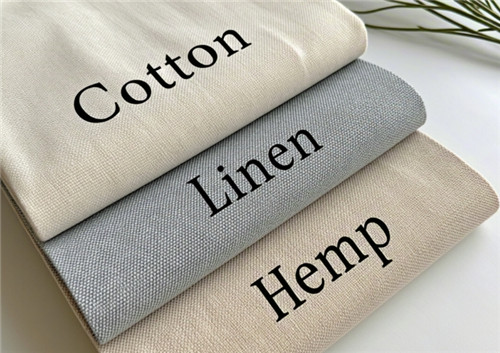
Canvas is mainly composed of natural fibers
Cotton
Canvas is the most widely used material in modern times.
Cotton canvas is durable, elastic and relatively cheap.
It is suitable for various uses such as artworks, bags, tents, shoes, etc.
Linen
Of historical significance, especially in high-quality artistic canvases and traditional sails.
Linen canvas is renowned for its strength, service life and the smooth surface it provides for painting.
Due to the cost of flax (the source of flax) and the labor-intensive process of producing flax fabric, it is more expensive than cotton canvas.
Hemp
The raw material used for canvas got its name from this (” cannabac “in Latin refers to cannabis, a family of plants including cannabis).
Hemp canvas is very strong and durable, with natural anti-mold and anti-ultraviolet capabilities.
Although it is not very common today due to regulatory restrictions on marijuana cultivation in some areas, it is making a comeback as an environmentally friendly option.
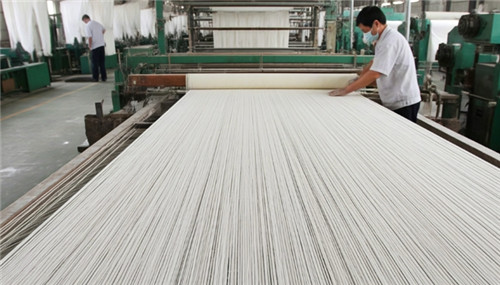
How is canvas made?
Weaving: Plain weave (simple cross patterns) can make the surface smooth and tough.
Weight: In ounces per square yard (ounces). Heavyweight (10+ ounces) = more durable.
Is canvas metarial toxic?
Is canvas material safe? Canvas made of natural materials is safe, but treated canvas may be toxic. So the safety of canvas depends on its material and treatment method.
Canvas made of natural materials is non-toxic
Canvas is traditionally made of natural fibers such as cotton and linen, and these materials themselves do not contain toxic substances. Natural canvas is safe without undergoing chemical treatment or adding harmful substances.
Chemical treatment may introduce toxicity:
Dyeing and coating: Some canvas products may undergo dyeing, waterproof treatment or coating, during which dyes or coatings containing formaldehyde, heavy metals or other harmful chemicals may be used.
Printing ink: After canvas is printed, the printing ink may contain harmful substances, especially low-quality ink.
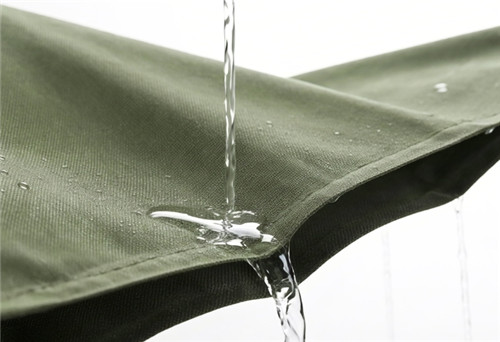
Is canvas waterproof?
Not waterproof. Standard canvas is not waterproof, but its waterproof ability can be enhanced through treatment or weaving. The treated canvas has good water resistance, but it is not completely waterproof.
Canvas treated with coatings such as wax or silicone can effectively resist water and moisture, making it suitable for outdoor applications such as tents and awnings. However, it is not completely impermeable. Prolonged exposure to heavy rain or flooding may allow water to seep through the canvas fabric.
Is canvas metarial sustainable?
Canvas can be sustainable. Traditional canvas mostly uses natural fibers such as cotton and linen. These materials have a relatively small impact on the environment during their growth and are biodegradable, which is in line with the concept of sustainability. Natural fiber canvas can be recycled and reused, or returned to nature through biodegradation, forming a closed loop of a circular economy.
The sustainability of canvas
Biodegradable (if made from natural fibers such as cotton, linen or hemp).
Durable (reducing fast fashion waste).
Low energy consumption production (compared with synthetic materials such as polyester).
Factors affecting sustainability
Dyeing: Toxic dyes or waterproofing (such as PVC coating) reduce sustainability.
Durability: Canvas is strong and durable – replacing fewer products over time can enhance sustainability.
Recyclability and biodegradability: Natural canvas is biodegradable; Synthesis is not possible.
Is canvas metarial breathable?
Yes, canvas materials are usually breathable, especially those made of natural fibers such as cotton or linen. However, the degree of breathability depends on the type of fiber, the weaving density and any treatment carried out on it.
Natural fibers and breathability:
Traditionally, canvas made of cotton or linen has good breathability. Especially cotton, which is renowned for its ability to allow air circulation, makes it very comfortable to use in clothes, bags and tents. Linen, with its loose weaving and moisture-wicking properties, further enhances breathability, making it an ideal choice for warm weather clothing and high-end art canvases.
| Type of Canvas | Breathability | Notes |
| Cotton, Linen, Hemp | ✅ Good | Natural and comfortable |
| Waxed or Waterproof Canvas | ❌ Poor | Sealed to block water, not air |
| Polyester or Nylon Canvas | ⚠️ Moderate–Low | Tightly woven, depends on design |
Synthetic mixtures and air permeability:
Compared with all-natural canvas, canvas mixed with synthetic fibers such as polyester may have reduced breathability. However, advancements in fabric technology have enabled the creation of synthetic mixtures that enhance durability and water resistance while still providing reasonable airflow. These mixtures are typically used in outdoor equipment and industrial applications, where a balance needs to be struck between breathability and performance.
Factors that reduce air permeability
Tight weaving
Heavyweight canvas has poorer breathability than lightweight canvas. So a looser weave allows for more air circulation, while a tighter weave may limit it.
Paint/Coating treatment:
Waxed canvas (such as Filson) : The breathability decreases but remains moderate (wax fills some pores).
PVC/ polyurethane coating: Blocks air flow (commonly found in waterproof tarpaulins).
Flame retardant: It can seal the pores of fabrics.
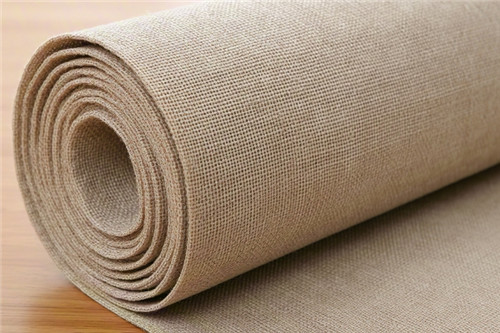
Is canvas good material for bags?
Yes, canvas is a high-quality material suitable for making bags, and there is a reason why it is popular. Canvas is strong, multi-functional, environmentally friendly, both fashionable and practical.
Canvas vs. Other Materials
| Material | Durability | Water Resistance | Eco-Friendliness | Style |
| Canvas | ✅ High | ❌/✅ (with treatment) | ✅ (natural types) | ✅ Casual/Urban |
| Nylon | ✅ High | ✅ Excellent | ❌ Not biodegradable | ✅ Sporty |
| Leather | ✅ Very High | ✅ Moderate | ⚠️ Mixed (depends on source) | ✅ Premium |
| Polyester | ✅ Good | ✅ Good | ❌ Synthetic | ⚠️ Less breathable |
Why is canvas suitable for making bags?
Durability: Tightly woven cotton/linen is tear-resistant and resistant to heavy loads. Canvas has good wear resistance and can withstand the friction and collision during daily use, thus extending the service life of the bag.
Breathability: Canvas has excellent breathability. Even when carried in summer, it won’t feel stuffy and hot, enhancing the comfort of use.
Customizable style: Easy to dye, print or wax, waterproof. Whether it’s a simple and elegant daily commuting bag or a retro and fashionable travel bag, Canvas can handle it all.
Eco-friendly type: Biodegradable without treatment, with little impact on the environment after disposal; Organic/cannabis options reduce the impact on the environment. Canvas material is friendly to the Earth and reusable, which helps to reduce the usage rate of plastic bags.
Portability: The Canvas material is relatively lightweight and does not add too much burden to the user, making it convenient to carry. Whether it’s daily commuting or traveling, the Canvas bag can handle it with ease.
Easy to clean: Canvas bags are not prone to getting dirty. Even if they do, simply wipe them with a damp paper towel. In addition, Canvas bags can be hand-washed, but they should not be soaked for more than an hour, and it is not recommended to use a washing machine to avoid damaging the bags.
Pro Tip of canvas:
Canvas bags improve with age – natural fibers soften while maintaining strength, forming a unique patina.
Advantages of Canvas for Bags
| Feature | Why It’s Good |
| Durable | Thick weave makes it resistant to wear and tear, ideal for daily use or heavy loads. |
| Lightweight | Despite its strength, it’s not heavy like leather. Great for backpacks and totes. |
| Breathable | Natural canvas (cotton, linen, hemp) allows airflow, reducing odors and moisture buildup. |
| Eco-friendly Options | Organic cotton, hemp, or recycled canvas are sustainable choices. |
| Easy to Clean | Most canvas bags can be hand-washed or spot-cleaned easily. |
| Customizable | Easily dyed, printed on, or embroidered — good for branding or fashion. |
How to customize canvas bags?
Custom-made canvas bags are an interesting and creative way to personalize them in terms of style, gifts or brand. There are many ways depending on the look you want, your tools and your budget.
To customize a canvas bag, you can follow these steps:
Design selection:
Consider the theme and target audience of your canvas bag brand.
Choose the colors, patterns or original design patterns that you think are more suitable for your target audience.
Material and size selection:
Based on your brand’s requirements for durability, breathability and sustainability, choose the appropriate canvas material, such as cotton or linen.
Determine the size of the canvas bag based on the expected use of the target audience, whether it is for daily commuting, shopping or traveling.
Design draft creation
Create a design draft based on the design you have chosen. You can use graphic design software or online tools such as Canva to visualize how your design will look on a canvas bag.
Printing method selection:
Choose an appropriate printing method, such as heat transfer printing, which is a commonly used printing method for canvas bags. This method involves using a machine to heat and press the design onto the fabric, thereby creating a lasting and vibrant print.
Manufacturing
Send your design draft and specifications to professional manufacturers (such as Gionar). They will print, cut and sew the canvas bags as per your requirements.
Quality inspection and delivery:
Once the canvas bags are produced, conduct quality checks to ensure they meet your standards. Check the print quality, stitching and overall durability. Arrange for the manufacturer to deliver the custom-made canvas bags to the location you specified.
Where to customize canvas bags?
You can customize canvas bags from leather bag manufacturer.
We are a renowned leather handbag manufacturer in Guangzhou, China, offers custom canvas bags. Offers OEM and ODM services, allowing you to customize canvas bags according to your specific requirements.
Materials: Canvas (including coated canvas), genuine leather, PU, microfiber, etc.
Design: You can offer your own design or choose from our existing styles.
Logo placement: Options include embossing, laser engraving and printing.
Hardware: Custom zippers, buckles and other metal components.
Packaging: Customized packaging solutions, such as dust-proof bags, gift boxes and thin paper.