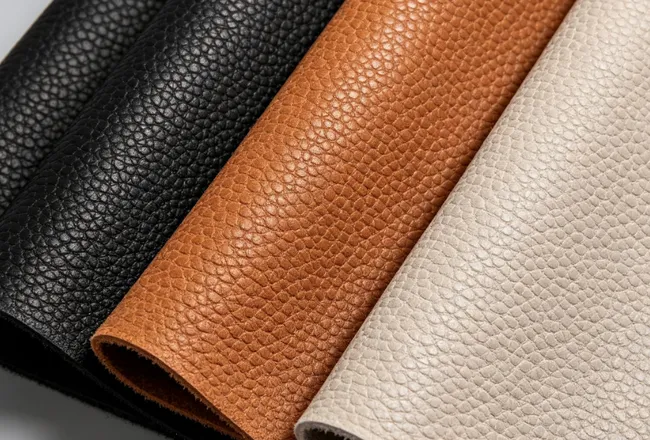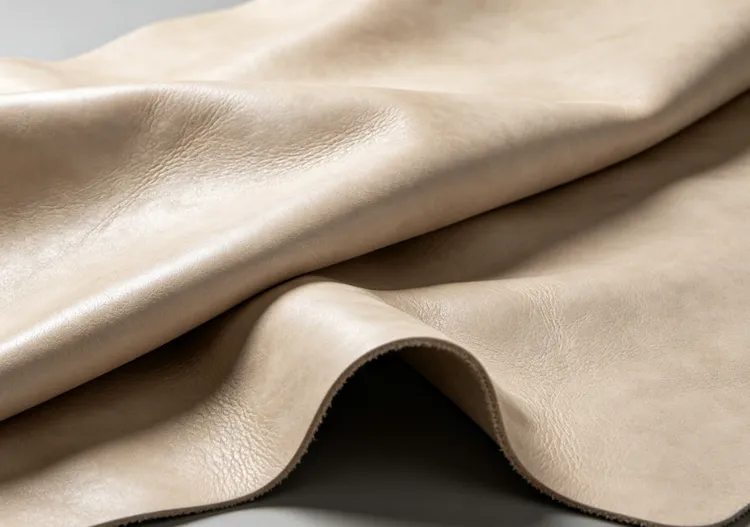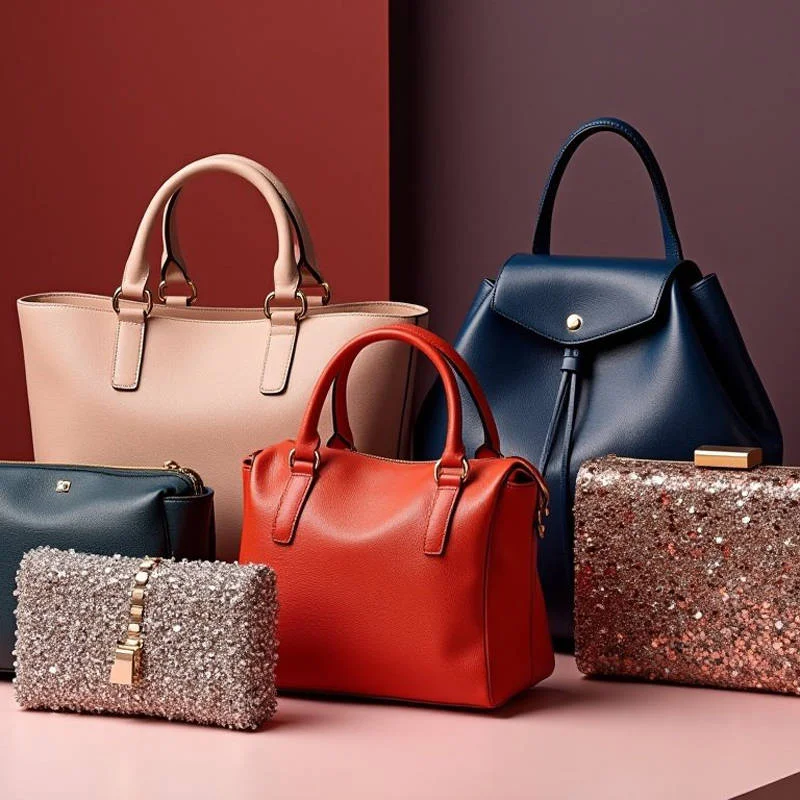
Waxed leather is a special type of leather made by mixing wax, oil and other substances into fibers. It combines a retro aesthetic with practicality. It is made from high-quality top-grade cowhide and is 100% genuine leather.
Compared to ordinary leather, Waxed leather has better water resistance. It can withstand daily rain and minor spills, but it is not completely waterproof. It may absorb water and get damaged if soaked for a long time.
Waxed leather is a “memory” leather. It is suitable for those who appreciate that items will develop a unique aesthetic over time – every scratch and every polished area becomes a story of yours.
What Is Waxed Leather?
Waxed Leather is a special type of leather material made by blending wax or oily substances into the fibers of the leather. This process gives it both a retro aesthetic appeal and unique practical properties.
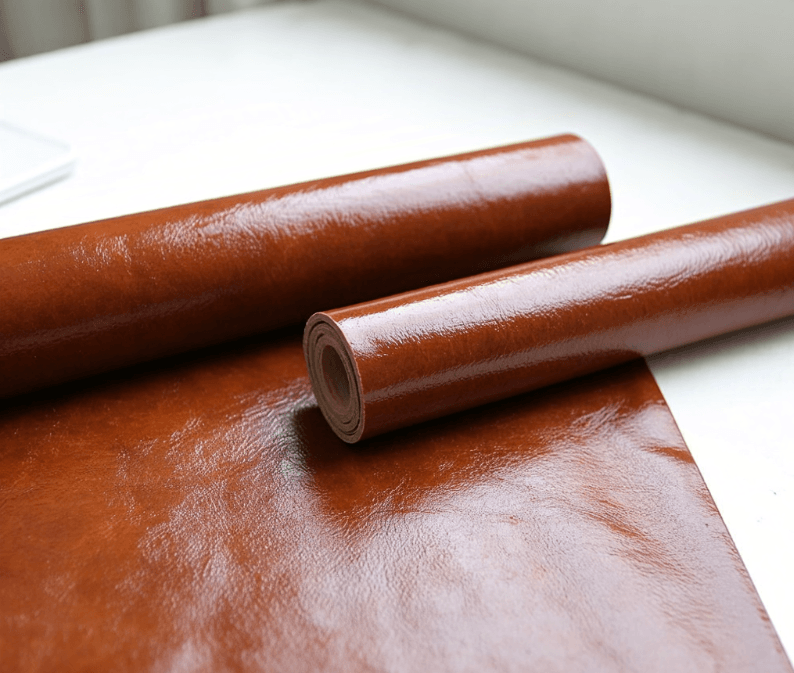
In other words, waxed leather does not refer to a specific type of animal skin, but rather a processing technique. It involves applying wax substances such as beeswax, paraffin wax, or Brazilian palm wax to the surface or fibers of the leather, usually after tanning, to create a waterproof and durable surface effect and a unique matte to semi-gloss texture. This treatment can be applied to vegetable-tanned or chrome-tanned leather, whether it is full-grain or top-grain, so the term describes the surface treatment effect rather than the type of leather.
Actual Meaning
Processing procedure: After tanning, the leather (usually full-grain or surface-grain) is treated with a thin layer of wax, which is applied either by hand or mechanically. The wax penetrates into the fibers of the leather surface. Different types of wax determine the final properties:
- – Beeswax: Naturally waterproof, making the leather soft and smooth
- – Paraffin wax: Highly durable, when combined with beeswax, it results in a more robust surface effect
- – Brazilian palm wax: Derived from Brazilian palm leaves, it is the hardest wax in nature and is often used as a surface coating to enhance scratch resistance
The final product has a solid yet flexible texture, with a slight sheen on the surface, and exhibits the “rebound effect after stretching” – when the leather is stretched or folded, the oil and wax will temporarily shift, causing a slight brightening of the surface of the stressed area. This creates the characteristic appearance of “long-lasting use”, gradually developing rich patina over time.
Core Feature
- Unique “Pull-up” effect: This is the most fascinating characteristic of the waxed leather. When the leather is stretched, folded, or slightly scratched, the wax layer on the surface temporarily becomes thinner, creating a unique contrast of depth and texture, which is called the “Pull-up” effect. Over time, these marks will settle into an unparalleled vintage luster (Patina), making the leather items smell more and more pleasant as they are used.
- Natural texture: High-quality waxed leather usually uses full-grain or aniline leather, with almost no coating on the surface, so the pores are clear and the breathability is good.
- Good protection: The wax and oil that penetrate the fibers provide natural waterproof and stain-resistant properties.
Summary of the Key Characteristics
| Feature | Description |
| Appearance | Rich, lustrous surface with a subtle sheen; often slightly mottled or pull-up effect |
| Feel | Smooth, firm, and slightly waxy to the touch |
| Water resistance | Excellent; wax repels moisture and prevents staining |
| Patina development | Darkens and softens with age and use; scratches buff out or blend in |
| Durability | Highly resistant to scuffs, scratches, and environmental wear |
Common Types of Waxed Leather
| Type | Characteristics |
| Pull-up leather | Waxed and oiled; color lightens when stretched or creased, creating a two-tone effect |
| Oil-tanned leather | Heavy wax and oil content; very soft and pliable; common in work boots |
| Waxed canvas hybrid | Cotton fabric waxed to mimic leather properties; not true leather |
| Bridle leather | Vegetable-tanned with wax finish; stiff initially, breaks in beautifully |
Care Requirements
| Task | Frequency |
| Brush with soft cloth | Weekly to maintain sheen |
| Re-wax as needed | When water no longer beads on surface |
| Avoid harsh cleaners | Strip wax finish; use leather-specific products |
| Store in dry place | Prevents mold; wax can trap moisture if stored damp |
Comparison to Other Leather Finishes
| Finish | Water Resistance | Patina | Maintenance | Best For |
| Waxed | Excellent | Rich, evolving | Moderate | Outdoor, work, everyday |
| Aniline (natural) | Poor | Beautiful, vulnerable | High | Luxury, display |
| Pigmented (protected) | Good | Minimal | Low | Consistent appearance |
| Suede / nubuck | Poor | Flattening | High | Fashion, texture |
| Patent | Good | Cracking | Moderate | Evening, statement |
Waxed vs. Oiled — The Key Distinction
| Property | Waxed Leather | Oiled Leather |
| Treatment | Wax coating on surface | Oils penetrate deep into fibers |
| Feel | Firmer, slight sheen, waxy to touch | Softer, suppler, matte |
| Water resistance | High — wax layer repels water | Moderate — oil conditions but less surface barrier |
| Scratch behavior | Marks easily, but partial self-healing — rubbing redistributes wax | Shows marks, conditions out over time |
| Patina speed | Fast — develops within weeks | Moderate — slower, subtler |
| Best for | Bags, boots, belts, outerwear — all-weather daily use | Saddles, work gear, items needing maximum flexibility |
| Maintenance | Re-wax every 3–12 months when water stops beading | Re-oil annually |
👍 Advantages & 👎 Disadvantages
| Advantages (Pros) | Disadvantages (Cons) |
| Unique vintage character: Develops a beautiful aged look quickly; each piece is one of a kind. | Easily scratched: The surface is relatively soft; even light fingernail marks can leave traces. |
| Natural breathability: Open pores make it comfortable to wear, especially for footwear. | Requires special care: Sensitive to cleaning agents; needs dedicated products. |
| Good water resistance: Waxes offer a certain level of everyday water protection. | Light colors stain easily: Absorbs liquids readily — oil, coffee, etc., can leave lasting marks. |
| Soft hand feel: Warm and comfortable to the touch; becomes softer with use. | Possible color bleeding: Rubbing too hard with a damp cloth may lift some color. |
Is Waxed Leather Suitable for Making Bags?
Yes, for certain types of bags, this is a very good choice.
Specifically:
✅ Waxed leather is particularly suitable for the following situations:
- – Bags that are sturdy, durable, and suitable for daily carry
- – People who prefer retro, nostalgic or country styles
- – Commuting bags that need to be used all day (won’t get water stains in rainy weather)
- – Users who want the bags to naturally age and tell stories
- – People who want flexible leather but don’t want it to wear out after long use
❌ Wax-coated leather is not suitable for the following groups of people:
- – Users who desire a clean, scratch-free, shiny appearance
- – People in regions with high temperatures (the wax may soften and transfer)
- – Those who dislike blemishes or obvious wear on the product
- – Users who prioritize a perfect appearance for formal or business occasions
Application Scenario
- High-end consumer goods: luxury luggage, vintage leather shoes, handmade belts, etc., leveraging their durability and distressed aesthetics.
- Home sector: sofa upholstery, headboard soft covers, balancing both decorative and functional needs.
- Personalized customization: DIY journal covers, leather engravings, satisfying users’ pursuit of unique textures.
Is Waxed Leather Real Leather?
Yes, waxy leather is 100% real leather and falls within the category of natural leather. It is not an artificial synthetic imitation leather material.
It is not a new type of animal leather; rather, it is a process of post-treatment (finishing) applied to already tanned leather. The tannery selects high-quality top-grain calfskin or other premium leather, and incorporates wax, oils, and oily mixtures into the leather fibers through specific processes to create waxy leather.
Why Waxy Leather Is Real Leather?
The manufacturing logic of waxed leather is quite clear: first, there is real leather, and then wax is applied.
The base layer must be fully tanned genuine leather – usually full-grain or top-grain cowhide, sometimes also using vegetable-tanned or calf leather.
After the tanning process is completed, the wax, such as beeswax, paraffin wax, or Brazilian palm wax, is applied to the surface of the leather or soaked into the fibers through hot wax or cold wax processes.
The wax combines with the leather fibers, forming a waterproof and wear-resistant protective layer.
As Independence Brothers clearly pointed out: “Unlike fake leather or synthetic materials… waxed leather offers a true sense of craftsmanship”; Pellove gave a more direct answer: “Yes, it is genuine leather finished with oils and waxes, not synthetic materials”.
The official leather terminology list of Dockers defines Waxed Leather as “This leather is treated with a wax coating” – the subject is leather, and the wax is the treatment process.
What Makes It “Real”
| Aspect | Detail |
| Base material | Genuine animal hide (cow, calf, horse, etc.) |
| Tanning process | Undergoes standard vegetable or chrome tanning |
| Wax treatment | Applied as a surface finish after tanning; does not alter leather’s organic origin |
Why Is This Question Raised?
This question is quite common, mainly because the name “wax leather” sounds like a kind of “coating” or “synthetic material”, but in fact it is the opposite:
- It is “grown” leather: The true texture of wax leather comes from its full-grain or aniline natural leather core, with clearly visible pores and excellent breathability. This is fundamentally different from “lacquered leather” or “PU leather” which are surface-coated with plastic.
- Wax is “protective” rather than “covering”: Wax and oil penetrate into the interior of the leather fibers, rather than merely covering the surface. They provide protection, but do not completely mask the natural texture and pores of the leather.
Concept of Distinction: Real Wax Leather vs. “Imitation Wax Leather”
- Real wax leather: Made by tanning animal skins (such as cows, sheep, etc.) and then adding wax. It is real leather.
- Imitation waxed Leather (Waxed PU / Faux Waxed Leather): This is a synthetic leather (PU) surface that is embossed to imitate the texture of waxed leather. This material is not real leather (not genuine leather) and does not have the unique “Pull-up” effect and aging characteristics of waxed leather.
How to Tell If Your Waxed Leather Is Real
| Dimension | Genuine Waxed Leather | Faux Leather (PU/PVC) |
| Smell | Natural leather scent (warm, slightly sweet tanning odor) | Chemical or plastic smell |
| Touch | Slightly waxy-smooth, gradually softens, warms to body temperature | Always cool, uniformly smooth, slightly tacky |
| Cross-section | Loose fibrous structure, like dense felt, no clear layer boundaries | Sandwich structure: polymer film top layer + fabric backing, sharp boundary |
| Texture | Pores vary in size, randomly distributed, never repeat | Pattern is embossed, evenly spaced, identical repeats found |
| Scratch reaction | Nail leaves a mark; rubbing with finger fades it (wax redistributes) | Coating scratch exposes base color, cannot self-heal |
| Water bead test | Water beads and rolls off (wax layer repels water) | Water also beads (PU/PVC itself is sealed) |
| Aging pattern | Develops patina, gets better with use | Coating cracks, peels, becomes sticky |
Practical Advice for Buyers:
- Identify the base material: When purchasing, make sure the product description states “full-grain waxed leather” or “top-grain oil waxed leather” – this indicates that the base material is genuine leather.
- Be cautious of “waxed” alone: If only “waxed material” or “waxed cord” is mentioned, it might be a waxed cotton/polyester.
- Price reference: The cost structure of genuine waxed full-grain leather bags determines that the retail price cannot be too low (usually starting at $200+)
- Smell the odor: After opening the box, there should be a natural leather scent, not a chemical plastic smell.
- Check the cut surface: At the inner edges of the bag and the cutting edges of the stitches, the leather will show fibrous cut surfaces.
- Request certificates: High-end brands usually label the type of leather, tanning method, and wax treatment process.
Is Waxed Leather Waterproof?
No, waxed leather is not truly “waterproof”, but it has an extremely strong “water-resistant” property.
It can be understood as: It can handle light rain or water splashes in daily life, but it cannot be submerged in water for a long time like rain boots or waterproof coating fabric.
The Waterproofing Principle of Wax-Coated Material
Its waterproofing ability stems from its unique manufacturing process:
- Wax and oil penetration: Wax and oil will fill the tiny gaps between the leather fibers. When water droplets fall on the surface, they will form water droplets that roll off due to surface tension, rather than immediately penetrating.
- Dynamic protection: It does not rely on a surface coating to “seal” the pores. Instead, it achieves waterproofing through the hydrophobic property of the wax itself.
Water-Resistant, Not Waterproof
The wax layer creates a hydrophobic surface, causing water to form droplets and slide off quickly rather than penetrating immediately. Therefore, waxed leather performs exceptionally well under the following conditions:
- ✅ Light rain or light showers
- ✅ Short exposure to moisture (such as watering, splashing)
- ✅ Snowflakes falling
- ✅ Morning dew
However, it cannot withstand the following situations:
- ❌ Heavy rainfall (long-term exposure)
- ❌ Complete immersion or prolonged soaking
- ❌ Stagnant water or puddles
- ❌ High-pressure water flow (such as from water pipes, washing machines)
How Water-Resistant It Is
| Scenario | Performance |
| Light rain / brief exposure | Excellent; water beads and rolls off |
| Splashes / spills | Good; quick wipe prevents absorption |
| Prolonged rain | Moderate; wax can saturate and allow seepage |
| Submersion / standing water | Poor; water will penetrate through seams and edges |
| Wet snow / slush | Moderate; cold reduces wax effectiveness |
Why It’s Not Fully Waterproof
The wax layer adheres to the surface of the leather and the inner part of the surface fibers, but the leather itself is a naturally porous material. Over time, if the water content or pressure is sufficient, moisture will eventually penetrate it:
- – The wax layer will soften and migrate in a continuous humid environment, especially more easily at high temperatures.
- – The stitching and seams are weak points, and water will seep through the thread gaps.
- – The back (inner side) of the leather is untreated and is prone to absorbing moisture.
- – Long-term soaking will damage the wax layer, and re-waxing is necessary.
Summary of Why It Is Not Fully Waterproof
| Limitation | Explanation |
| Wax saturation point | Coating can absorb only so much water before failing |
| Seams and stitching | Water enters through needle holes and thread |
| Edge exposure | Cut edges lack wax protection |
| Wear and aging | Wax degrades over time; cracks or thins in high-friction areas |
| No sealed membrane | Unlike Gore-Tex or rubber, there is no impermeable barrier |
What Happens When Waxed Leather Gets Wet
If your waxed leather bag gets wet by rain:
At first, water droplets will roll off – this indicates that the wax layer is working. After 10 to 20 minutes of continuous rainfall, water may start to seep into the stress points of the leather (such as folds, seams, and areas with high curvature).
If completely soaked, the leather will absorb water and temporarily darken. The wax layer may rise during the drying process.
Correct handling method: Use a soft towel to wipe it, place a piece of paper underneath to maintain its shape, and then let it dry naturally at room temperature – do not use heat sources (hair dryer, radiator, or direct sunlight).
After drying, areas where the wax layer has migrated may appear whitish or cloudy. Quick re-waxing (cleaning → applying a thin layer of wax → slightly heating it → polishing) can restore the appearance and enhance the waterproof performance.
How to Maximize Water Resistance?
- Maintain the wax layer: Reapply wax every 6 to 12 months, or immediately when no water droplets appear on the surface.
- Choose high-quality wax: Use beeswax-based leather wax or dedicated wax-based leather care products.
- Apply correctly: Apply a thin and even layer of wax, slightly heat it to promote absorption, and then polish until a glossy texture is achieved.
- Avoid high temperatures: High temperatures will accelerate the shedding of the wax layer. Do not place the waxed leather in the car or expose it to the sun.
- Consider using DWR spray: For waxed leather bags, you can use a fluorine-free DWR (durable water repellent) spray to enhance the protective effect, but do not replace the actual waxing treatment.
How to Maximize Water Resistance
| Practice | Benefit |
| Regular re-waxing | Restores protective layer; frequency depends on use |
| Use wax-specific products | Beeswax-based dressings maintain breathability |
| Avoid heat drying when wet | Air dry naturally; heat can crack wax and leather |
| Store dry | Prevents mold; trapped moisture degrades wax and fibers |
| Condition leather beneath | Keeps underlying leather supple if wax wears thin |
Waxed Leather vs. Other Leathers in Water
| Leather Type | Rain Response | Fully Submerged? |
| Waxed leather | Beads and rolls off for 10–20 min | Will eventually soak through |
| Caviar leather | Beads and rolls off; coating provides strong barrier | Resists longer, but coating can crack if soaked repeatedly |
| Vegetable-tanned natural leather | Absorbs immediately, darkens permanently | Soaks through quickly, may stain |
| Lambskin | Water spots almost instantly, permanent marks | Ruins rapidly |
| PU-coated canvas (faux) | Beads and rolls off indefinitely | Effectively waterproof, but not “breathing” |
Comparison to Truly Waterproof Materials
| Material | Waterproof? | Breathability |
| Waxed leather | No; water-resistant | Good |
| Rubber / PVC | Yes | Poor |
| Gore-Tex membrane | Yes | Excellent |
| Synthetic waterproof fabrics | Yes | Variable |
| Untreated leather | No | Good |
Is Waxed Leather Durable?
Yes, waxed leather is extremely durable. It is renowned for its “resilience” and “aging ability” in terms of durability, rather than the “robust hard shell” type of durability.
Why It Is Durable?
| Factor | Explanation |
| Wax barrier | Protects underlying leather fibers from moisture, dirt, and abrasion |
| Scratch resistance | Surface marks can often be buffed out; wax shifts and heals minor damage |
| Fiber protection | Wax seals the grain, preventing drying and cracking |
| Abrasion resistance | Harder surface withstands friction better than untreated leather |
| Self-healing quality | Heat and friction redistribute wax, blending scuffs into the patina |
Waxed Leather – Four Core Durability Capabilities
| Dimension | Technical Mechanism | Empirical Performance | Industry Standard |
| Scuff & Abrasion Resistance | Wax film + full-grain fiber structure form a “flexible protective layer” | Surface scratches naturally fade with body heat or friction; outperforms conventional oil-tanned leather in Taber abrasion tests (wear rate 30–50% lower) | ASTM D3884 (Abrasion Resistance) |
| Tear Strength | Natural fiber network of full-grain calfskin + wax penetration enhances fiber bonding | Tear strength ≥ 13 N (GB/T 42167—2022), far exceeding the minimum standard for garment leather; resists cracking from sharp objects | ISO 3377-1:2011 |
| Long-Term Lifespan | Wax layer is renewable; the leather does not age structurally | 5–10 years of normal use with no structural damage; edges only slightly softened; patina deepens naturally; 20+ years of use with repair possible | Empirical case studies: Valextra, Barbour user feedback |
| Repairability | Surface wax film can be locally reapplied – not irreversible loss | Every 6–12 months, apply dedicated wax balm (e.g., Obenauf’s) and buff lightly to restore water resistance and luster; lifespan can be extended indefinitely | — |
Advantages of Durability
- The characteristic of “older is better”: The caviar leather aims for “wear-resistant and maintaining its original appearance”, while the wax leather pursues “writing stories through marks”. Minor scratches and creases on the wax leather are features rather than defects. These marks will interweave with the dark areas after absorbing oil to form a unique retro texture. Therefore, it allows for a certain degree of “wear and tear”.
- Extremely strong tensile strength: The wax penetrates into the fibers, making them more resilient and less prone to tearing.
- Natural protective layer: Wax and oils provide daily waterproof and stain-resistant capabilities.
Limitations of Durability
- Poor scratch resistance: This is the area that requires the most attention. The granular surface of the caviar leather can hide scratches, while the wax surface is softer and sharp objects like nails or keys can leave obvious marks when scratched over.
- Light-colored wax leather is prone to staining: The surface is easily absorbed by color, and prolonged contact with dark jeans or damp cloths may cause staining.
- High-temperature damage: The wax has a low melting point, and exposure to high temperatures (such as radiator or hot beverage cups) may cause the surface wax to melt.
Expected Actual Service Life
- Regular high-frequency use (daily carrying, commuting, outdoor activities): 10-20 years, during which a rich patina (oxidation layer) will form, and the appearance will become more flavorful
- Occasional weekend use: 30+ years, can be passed down
- Harsh environments (exposure to the sun, heavy rain, heavy loads): 5-10 years, the wax layer needs to be replenished frequently
- Comparison with caviar leather: Caviar leather is more “resistant” (better shape retention + stronger scratch resistance), but the waxed leather ages more gracefully – every scratch or crease becomes a story rather than a defect
- Classic example: Belts, boots, and bags made from Horween Chromexcel (one of the most famous waxed leathers) remain in good condition after 20+ years of use, and their appearance is more attractive than when they were newly purchased.
The Durability Limit of Waxed Leather
Waxed leather is not invincible. Here are some real weaknesses:
- High temperature sensitivity: When exposed to prolonged sunlight or placed in a hot car, the wax will soften and rise to the surface, making it feel sticky. It will return to its original state after cooling – repeated heat cycles will accelerate the degradation of the wax layer.
- Resistant to long-term soaking: Although it is splash-proof, continuous soaking will degrade the wax layer and require re-waxing.
- Prone to leaving marks: New bags will immediately show slight scratches and creases – this is a side effect of the “self-healing” feature, and you must accept the philosophy of “imperfection is beauty”
- Color migration: New waxed leather (especially dark colors) may transfer pigments to light-colored clothing. After some use, this effect will diminish
- Requires regular maintenance: When water droplets no longer roll off, it is time to re-wax – usually once every 6-12 months
- Not “brand new”: If you pursue a pristine appearance that is always like it was when you bought it, waxed leather is not for you – it is destined to become increasingly “old”
Maintenance for Maximizing the Lifespan of the Waxed Leather
- Daily cleaning: Use a soft dry cloth or horsehair brush to remove dust; for stubborn stains, use a slightly damp cloth with mild soap
- Regular re-waxing: Once every 6-12 months, or when water droplets no longer roll off – Clean → Thinly apply the wax layer → Warm to promote absorption → Stand still → Polish
- Avoid extreme heat: Do not leave it in a hot car, near an air conditioner, or in direct sunlight
- Proper handling after getting wet: Use a soft towel to absorb the moisture → Let it air dry at room temperature → Never use a heat source to dry it → Re-wax after it is dry
- Storage: In a cool and dry place, use breathable cloth bags (never seal in plastic bags), and use paper to keep the shape.
- Embrace patina: Do not try to keep the waxed leather “ever youthful” – Its beauty lies in the use marks
Performance over Time
| Stage | Appearance |
| New | Rich, lustrous, uniform sheen |
| Breaking in | Softens slightly; wax settles into creases |
| Developed patina | Character-rich surface with depth and variation |
| Well-worn | Soft, supple, uniquely personalized; still protected |
Comparison to Other Leather Finishes
| Finish | Durability | Scratch Resistance | Maintenance | Best For |
| Waxed | Excellent | Very good; heals with buffing | Moderate | Work, outdoor, everyday |
| Aniline (natural) | Moderate | Poor; marks permanently | High | Luxury, display |
| Pigmented (protected) | Good | Good | Low | Consistent appearance |
| Suede / nubuck | Moderate | Poor; absorbs stains | High | Fashion, texture |
| Patent | Moderate | Poor; cracks and scuffs show | Moderate | Evening, statement |
Is Waxed Leather Breathable?
Yes. Waxed Leather has good breathability, which stems from the microporous structure of the natural top-grain full-grain cowhide. The surface wax coating acts as a permeable layer rather than a sealed coating, allowing water vapor to slowly pass through and achieving a balance of “waterproof without being hot and stuffy”.
However, the breathability of waxed leather is lower compared to untreated natural leathers (such as tanned leather and benzidine leather).
In simple terms, it can breathe, but it is not as “breathable” as other types of leather.
The Principle of Breathability
- The natural pores are not completely sealed: The wax leather is made from the top layer of cowhide, and the natural pores in this leather did not become completely closed during the wax treatment process. The wax and oil mainly penetrate the fiber gaps rather than forming an impermeable film (like that of leather paint).
- The wax has selectivity: The wax allows water vapor (such as sweat) to escape outward at a slower rate, while preventing liquid water (such as rain) from penetrating inward. This is somewhat similar to the film principle of Gore-Tex.
Breathability Rating & Mechanism
| Aspect | Performance | Explanation |
| Breathability (Water Vapor Permeability) | ⭐⭐⭐⭐☆ | The wax partially “seals” the fibers, but some breathability remains. |
| Breathability Mechanism | Intermolecular gaps in the wax | Air exchange occurs through the microscopic gaps between wax molecules and through the fiber structure itself. |
| Compared to Unwaxed Leather (e.g., Vegetable-Tanned) | Breathability decreases by approx. 40–60% | The wax fills some of the fiber gaps, slowing down water vapor diffusion. |
| Compared to Patent Leather / PU-Coated Leather | Far superior | The latter are almost completely non-breathable due to their plastic surface coatings. |
How Breathability Works in Waxed Leather
| Aspect | Explanation |
| Natural leather pores | Remain partially open; wax does not completely seal the surface |
| Vapor permeability | Allows some moisture vapor to escape; prevents clammy feeling |
| Wax layer thickness | Thicker applications reduce breathability more than light coats |
| Temperature and humidity | Breathability increases in warm, dry conditions; decreases in cold |
Breathability Comparison
| Material | Breathability | Notes |
| Bare vegetable-tanned leather (no wax, no coating) | ⭐⭐⭐⭐⭐ | Fully open, best breathing |
| Waxed leather | ⭐⭐⭐ | Partially blocked by wax, still breathes |
| Caviar leather | ⭐⭐ | Thick PU coating + embossing, lower breathability |
| PU synthetic leather | ⭐ | Polymer film fully sealed, barely breathable |
| PVC synthetic leather | 0 | Completely non-breathable |
The Key Factors Affecting the Breathability of Waxed Leather
1) Wax Layer Thickness and Type
- Light wax treatment (such as Horween Chromexcel): Less wax, deep penetration, better breathability ⭐⭐⭐⭐
- Heavy wax treatment (thick coating of beeswax surface): Thick wax layer, surface sealed, reduced breathability ⭐⭐
- Cold wax vs hot wax: Hot wax penetrates deeper and more evenly, has less impact on breathability; Cold wax stays more on the surface, with slightly lower breathability
2) Underlying Leather Material
- Full-grain waxed leather: Fibers are intact, best breathability
- Top-grain waxed leather: Surface is slightly polished, breathability slightly decreases
- Split/layered leather waxed: Fibers have been cut, breathability is the worst
3) Usage Time
- New bag: Wax layer is full, breathability is relatively lower
- After 1-2 years of use: The wax layer gradually migrates and thins due to friction and temperature changes, and breathability improves instead
- After re-waxing: Breathability temporarily decreases, and then recovers with continued use
4) Environmental Temperature and Humidity
At high temperatures, the wax softens, and the fiber pores are relatively “opened”, breathability improves
At low temperatures, the wax hardens, and the pores are “closed”, breathability decreases
What Affects Breathability Most
| Factor | Impact |
| Amount of wax | Heavy applications reduce breathability |
| Type of wax | Natural waxes (beeswax) breathe better than synthetic sealants |
| Leather thickness | Thicker leather naturally breathes less regardless of finish |
| Age and wear | As wax wears thin, breathability improves |
The Actual Breathability Performance in Use
Impact on bags:
The interior of a waxed leather bag does not become hot and damp – much better than PU bags
When storing books and electronic devices, the slight breathability of the leather helps prevent internal condensation
However, waxed leather bags are not recommended for storing wet items or wearing directly against the skin with excessive sweating – the hydrophobic property of the wax layer will hinder quick drying
Impact on footwear/leather belts (the traditional strongholds of waxed leather):
Waxed leather shoes are much more breathable than painted leather shoes, and do not make the feet feel stuffy for a long time
Waxed leather belts are more breathable than PU leather belts, reducing the risk of skin eczema on the waist
Does Waxed Leather Scratch Easily?
Yes, waxy leather is prone to scratches, but this is not a pure drawback; rather, it is part of its unique charm.
In simple terms: It is indeed easy to get scratched, but the scratches are the necessary path for it to develop a retro look.
Why Does Waxed Leather Tend to Leave Marks?
This is mainly due to its material and manufacturing characteristics:
- The surface texture is relatively soft: Waxed leather aims for a natural touch and a retro look. The surface coating is extremely thin (different from leather with a thick coating covering it). This makes it more sensitive. Even a slight scratch from a fingernail, key, or hard object can easily leave a mark.
- The characteristics of the wax layer: The surface wax layer is soft in texture and is prone to leaving white marks (known as the “Pull-up” effect) when subjected to friction or compression. However, this is not the breaking of the leather fibers; it is simply that the wax layer is temporarily pushed away.
The Truth about “Scrapes” on Waxed Leather
The surface of waxed leather is coated with a layer of wax, which is softer than the leather itself. Therefore:
- During the new bag stage (the first 1-3 months): Any slight friction will leave marks – a fingernail scrape, a key rubbing against it, or dragging on a tabletop – and these will immediately show as light scratches or friction marks of a light color.
- The characteristics of these marks: They are usually a lighter color (the wax is scraped off, revealing the underlying leather or the color beneath the wax), rather than “broken skin” type deep grooves.
- Compared to suede leather: The scratches on caviar leather are the white marks left after a fingernail scrape, which disappear with a single wipe of the finger; the scratches on waxed leather are also a lighter color, but through finger rubbing or heating with body temperature, the wax will redistribute, the marks will fade or even disappear – this is the unique “self-healing” characteristic of waxed leather.
Why Do Scratches on Waxed Leather “Self-Heal”?
This is the most amazing property of waxed leather:
- The wax is “alive”: At room temperature, the wax is in a solid state, but the microcrystalline structure allows the wax molecules to slightly flow when heated (from friction, body temperature)
- Scratches = Wax is pushed aside: When the surface is scratched, the wax is only pushed to the sides and does not truly “disappear”
- Friction = Wax reflows: Using your fingers or a soft cloth to wipe the scratched area, the micro heat generated by friction causes the wax to flow back and fill the marks, restoring the even color
- Deep scratches: If the scratch penetrates through the wax layer to the leather itself, it cannot be completely self-healed, but it will be much lighter than similar scratches on un-waxed leather
- Key insight: The scratches on waxed leather are not defects, but the beginning of patina (oxidation). Each shallow scratch is evidence that the leather is “alive in use”, and over time, these marks merge into a unique personalized appearance.
“Easy to Scratch” and “Long-Lasting” Are Not Contradictory
Although the waxed leather is prone to scratches, it has extremely high toughness. The scratches are not the result of the leather fibers breaking; instead, the wax layer temporarily moves aside. Therefore, these “marks” do not affect the structural integrity of the leather, and it remains a very durable material.
Are Scratches “Defects” or “Features”?
This is the key to understanding wax leather:
- The core of “aged beauty”: The charm of wax leather lies in the fact that it “records” your usage marks. Those scratches, friction marks, and creases will gradually form a unique retro luster (Patina) over time as they mix with absorbed oils. Scratches are not flaws; they are the unique “story” of this piece of leather.
- The “self-healing” phenomenon: Minor scratches can be gradually smoothed out by repeatedly rubbing them with your hands or by pressing them repeatedly with your fingertip that has body heat. Some scratches will naturally fade or even disappear. This is because the wax substance will flow and mend itself under the influence of temperature.
When Are Waxed Leather Scratches More Noticeable?
| Scenario | Scratch Appearance | Self-Healing? |
| Fingernail lightly swiping surface | Thin light-colored line | ✅ Can fade with finger friction |
| Key/zipper rubbing | Short strip-shaped light marks | ✅ Friction + mild heat can restore |
| Dragging across desk/wall | Large-area light rub marks | ⚠️ Partial recovery; severe cases need re-waxing |
| Sharp hard object deep scratch | Penetrates wax layer into leather | ❌ Cannot self-heal; needs professional repair |
| Dark leather with light scratch | Obvious whitening | ⚠️ Friction can fade but not fully eliminate |
| Light leather with dark scratch | Absorbs external pigment | ❌ Needs cleaning + re-waxing |
Compared with Other Leathers
| Leather type | Scratch resistance | Appearance after scratches |
| Waxed leather | Moderate | Minor scratches often buff out |
| Full-grain leather | Moderate | Develops a natural patina |
| Corrected-grain leather | High | Hides scratches better |
| Patent leather | High (surface) | Deep scratches are very noticeable |
Scratch Comparison with Other Leathers
| Leather Type | Scratch Appearance | Permanent? | Treatment |
| Waxed leather | Color lightens, wax pushed aside | Temporary, self-healing | Finger friction + periodic re-waxing |
| Caviar leather | White fine line | Temporary | Disappears with a finger rub |
| Lambskin | Deep groove, permanent gouge | Permanent | Needs professional repair |
| Smooth cowhide | Top coating damaged, white exposed | Permanent | Needs color touch-up repair |
| Vegetable-tanned (bare) | Absorbs pigment or leaves mark | Permanent (but becomes patina) | Accept or use conditioner |
How to Handle Scratches on Waxed Leather
| Method | Effectiveness |
| Rub with soft cloth | Minor marks disappear from friction heat |
| Apply leather balm / re-wax | Restores coating; fills and blends surface damage |
| Gentle heat (hair dryer) | Softens wax; allows redistribution and healing |
| Professional refinishing | For deep damage; rarely needed |
Is it Good to Use for a Handbag?
So, in other words, it can be a great option but choosing this material comes with a unique set of pros and cons that should be taken into consideration.
Here’s a detailed look to help you decide:
Pros (The Advantages) of waxed leather
- Durable and Water Repellent: Its most prominent advantage is super durable and water-repellent. An infused wax makes it more resistant to water, scratches and stains. A little rain is nothing to worry about — water beads and slides off the surface with ease. As such, it makes for a great looking “everyday” bag in all kinds of weather..
- Ages Beautifully (Develops a Patina): One of the hallmark characteristics of waxed leather is that it will age beautifully with time. Every scratch, scuff and crease tells a story all its own. These aren’t flaws so much as they are a character mark, which serves to enhance the bag’s beauty as it ages. The “pull-up” influence ensures that no two bags are exactly alike.
- Supple and Comfortable:This fabric is comfortable to wear, soft and adjustable. The sort of leather, in contrast to other leathers out there it does not go through a rigid break-in period and you can be comforted out from the get go.
- Low Maintenance: It is low maintenance. Regular brushing with a soft cloth and periodic conditioning—done by applying wax-based products like Obenauf’s LP or Venetian Shoe Cream once every 6 to 12 months—is enough to keep it in good form..
Cons (The Considerations) of waxed leather
- It Scuffs and Shows Wear Initially: While this is part of its charm, it can be alarming if you’re not expecting it. A new waxed leather bag will show light scuffs and color changes very easily. You have to be okay with the “rugged” and “vintage” aesthetic from day one.
- Can Be Sensitive to Heat:If kept in a hot car, or exposed to direct sunlight for extended periods, the waxes can soften and rise to the surface. This may cause it to not look smooth or even to feel sticky until it has cooled and re-stabilized..
- Color Transfer: The fact that they are oily feeling material can sometimes transfer darkness onto lighter colored clothing, especially when new. This usually diminishes over time
- Not a “Pristine” Look: If you’re looking for something clean and polished that looks brand-new, waxed leather isn’t right
The Verdict
Waxed Leather is a PERFECT choice for a bag if:
- You need a rugged, “go-anywhere” bag.
- You’re crazy about the country, rustic, vintage or heritage look.
- ou’re a fan of aged and story-telling materials.
- You’re looking for a weather-resistant, everyday bag that withstands daily wear and tear.
- You want a ready-to-wear glove that molds perfectly to your hand with no break-in period.
You may not like waxed leather if:
- For your bag, it’s all about keeping that clean, fresh and scratch-free exterior.
- You like a nice shiny, reflective finish.
- You are living in a very hot/ high color transfer danger climate.
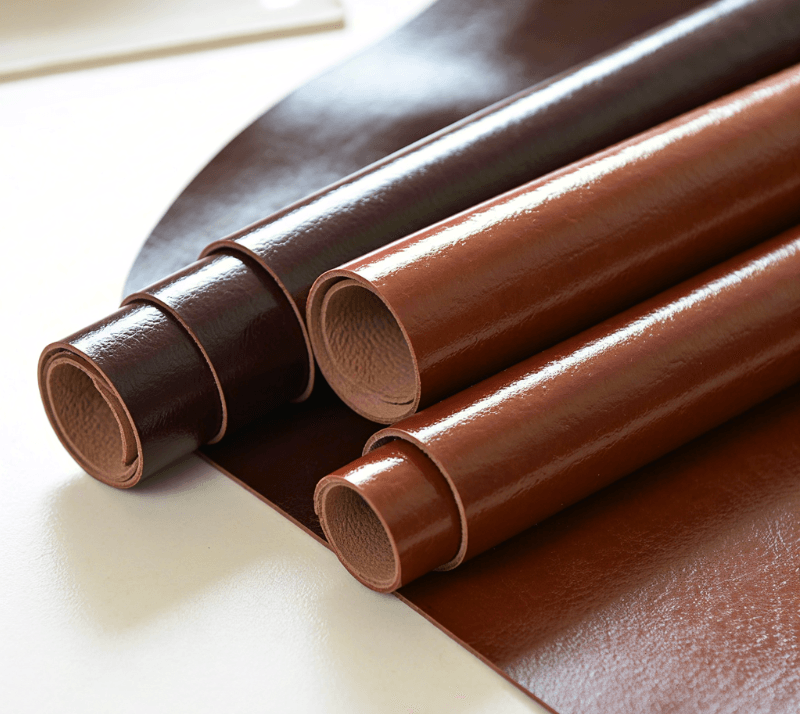
Summary Table
| Summary | |
| Feature | Waxed Leather Handbag |
| Durability | Excellent – Very tough and resilient. |
| Water Resistance | Excellent – Naturally water-repellent. |
| Aesthetics | Rustic, vintage, develops a rich patina. |
| Maintenance | Low – Occasional conditioning with wax products. |
| Feel | Supple, waxy, and soft. |
| Best For | Everyday use, outdoor lifestyles, heritage style. |
To sum up, a waxed leather bag makes an amazing choice for anyone that values character and durability over taking the effort to keep their stuff looking new. It’s a substance that gets better with use, so your bag is yours — and yours alone.
Conclusion
Waxed Leather is a type of leather that is made from natural animal skin, undergoes tanning, and is then coated with beeswax, Brazilian palm wax, or synthetic wax. Through heating and pressure, the wax penetrates the surface of the fibers, making it a functional leather.
Waxed leather combines the texture of genuine leather, excellent durability, moderate water resistance, and a unique retro style. It is widely used in boots, handbags, wallets, belts, and outdoor products, and is a type of leather that balances aesthetics and practicality.
What kind of consumers is waxed leather suitable for? Since waxed leather is a practical leather that emphasizes both functionality and aesthetics, it is particularly suitable for consumers who value durability, low maintenance, and appreciate the traces of time.
If you are running your own bag business and want to customize a bulk of waxed leather bags, please feel free to contact us.