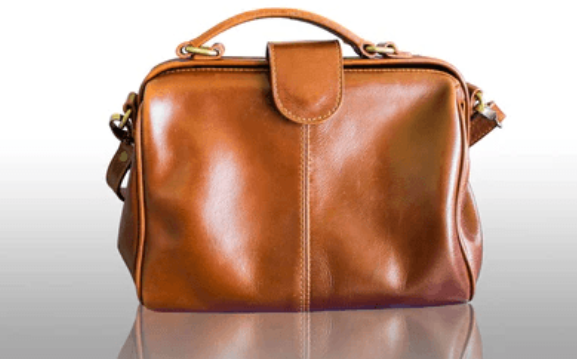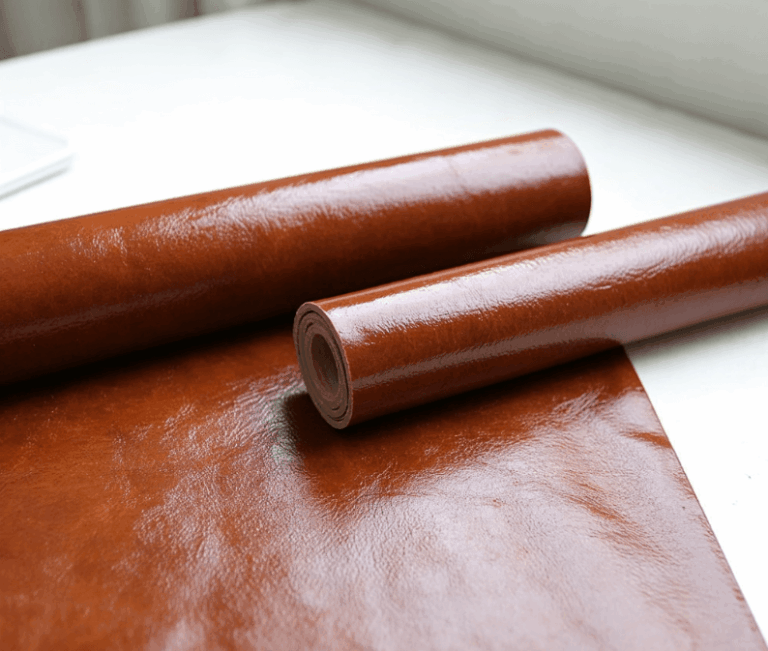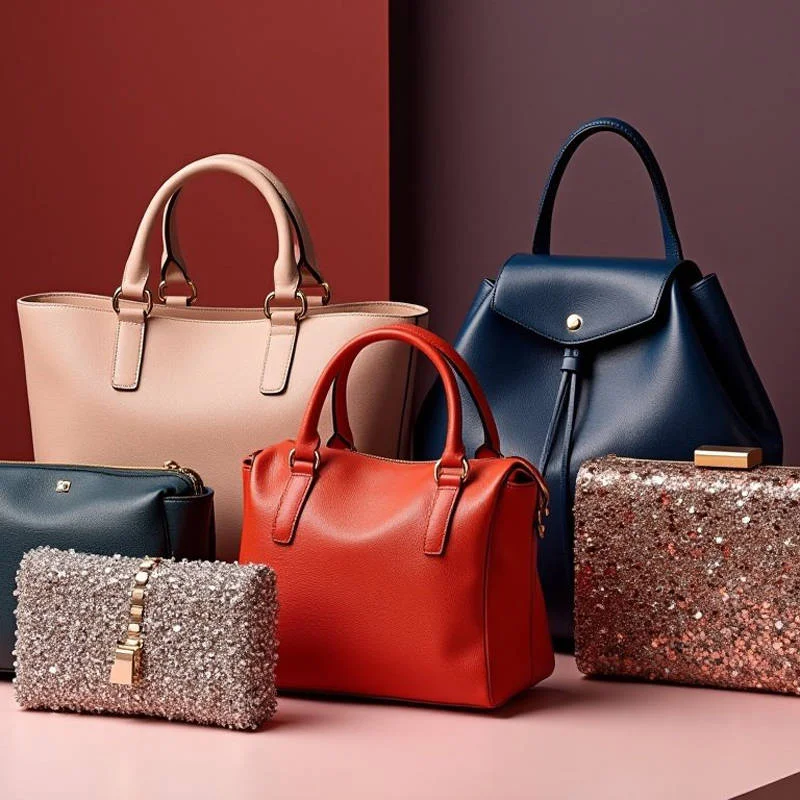
Coconut leather is a sustainable, plant-based traditional leather alternative, made from coconut waste through biological fermentation or fiber processing. It is renowned for its natural texture and lightweight characteristics, making it an ideal choice for creating fashionable accessories such as handbags and wallets.
This article will explore the characteristic and durability of coconut leather. By understanding this innovative material, you can explore more possibilities when choosing the perfect sustainable option for your own bag brand.
What Is Coconut?
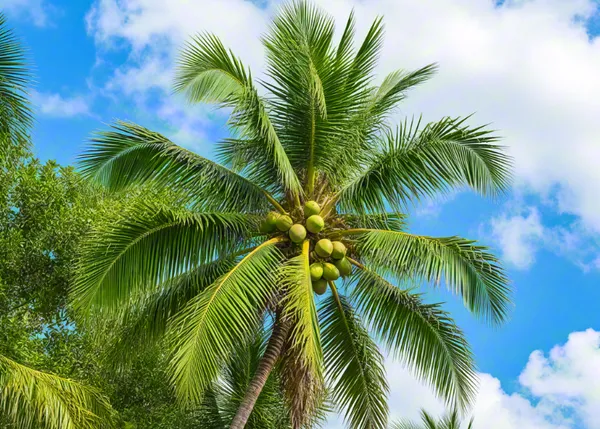
The coconut (Cocos nucifera) is a tropical fruit belonging to the Arecaceae family. The coconut is classified as a stone fruit in botany. As one of the most versatile fruits in nature, it is an important resource for food, water and industrial materials in coastal areas around the world.
Ecological significance
Coconut trees grow in tropical coastal areas, especially in the Philippines, Indonesia and India, where the coconut production accounts for more than 70% of the global supply. A coconut tree can produce 75 coconuts every year, demonstrating extraordinary productivity. The buoyancy structure of this fruit enables it to spread across the ocean, allowing coconuts to travel thousands of miles and colonize along new coastlines. This evolutionary adaptation has earned it the nickname “Maritime nut” and made it a symbol of adaptability in many cultures.
Structural composition and application
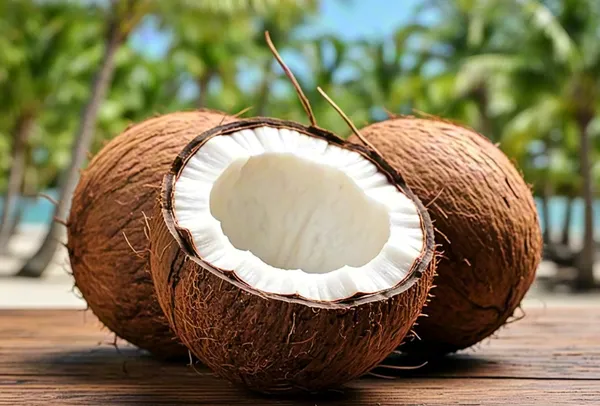
The layered structure of coconuts offers a variety of functional uses:
Exocarp (outer layer)
A smooth protective covering that changes from green to brown when mature
When young, it has a fibrous texture, but when mature, it becomes hard and woody
Mesocarp (fibrous shell) :
Thick, coconut fiber used for manufacturing ropes, door MATS, brushes and anti-erosion products
An important by-product that generates economic value from waste materials
Endopericarp (hard shell) :
The dense wood layer is processed into activated carbon for the filtration system
Make it into ornaments, vessels and charcoal
Seeds (edible ingredients) :
- Coconut juice: A natural, sterile beverage rich in electrolytes, containing potassium, magnesium and cytokinin
- Coconut meat: Eaten fresh or dried (coconut); Processed into milk, cream and oil (for cooking and cosmetics); By-products include flour and sugar substitutes.
Global economic and cultural influences
In addition to its nutritional value, coconuts also support many industries:
- Agriculture: Providing livelihoods for millions of small farmers
- Manufacturing: Fibers used in mattresses, insulating materials and geotextiles
- Renewable energy: Converting shells and shells into biofuels
- Traditional medicine: Ingredients used in Ayurveda and folk remedies
From maintaining coastal communities to inspiring sustainable material innovations such as coconut leather, this “tree of life” continues to demonstrate its unparalleled value in both traditional and modern contexts. Its enduring significance is reflected in its cultivation in over 90 tropical countries, making it one of the most economically meaningful tree crops in the world.
What Is Coconut Leather?
Coconut leather (also known as “coconut fiber leather”) is an eco-friendly vegan leather made from coconut shell fibers, a by-product of the coconut industry, especially the remaining part of the coconut shell after extracting coconut water or coconut meat. Unlike traditional animal leather and synthetic leather, coconut leather is not only biodegradable but also reduces plastic dependence, making it an important material in the field of sustainable fashion.
Comparison to Other Leathers
| Feature | Coconut Leather | Animal Leather | PU Leather |
| Source | Coconut husks | Cowhide | Petroleum |
| Eco-Friendliness | High (upcycled) | Low (high impact) | Medium (plastic-based) |
| Durability | Moderate | High | Low-Medium |
| Cost | $$ | $$$ | $ |
Coconut leather: An innovative choice for sustainable fashion
Compared with petroleum-based synthetic leather, the advantages of coconut leather lie in its natural and renewable source, as well as its durability and unique texture. Its production process conforms to the concept of circular economy, further reducing the environmental impact of the fashion industry.
As consumers’ demand for eco-friendly products grows, coconut leather is gradually becoming an innovative material favored by designers and fashion brands, driving the fashion industry towards a more sustainable direction.
With the enhancement of environmental awareness, coconut leather, due to its ability to transform discarded coconut shells into high-end materials, is becoming a model of circular economy that attracts attention in the fashion industry.
In the future, through technological innovation to enhance its water resistance and reduce costs, coconut leather is expected to further expand its application in the field of sustainable fashion and become one of the mainstream eco-friendly materials.
Is Coconut Good For Leather?
Yes, coconut is a highly promising alternative material for leather. Coconut leather made from coconuts and related by-products, including coconut water leather and coconut shell fiber leather, is becoming an important innovation in the field of sustainable materials.
This type of material not only features environmental friendliness but also boasts excellent practical performance, providing a feasible alternative to traditional animal leather for the fashion and home furnishing industries.
Analysis of the Advantages of Coconut Leather
- Environmental friendliness: The greatest value of coconut leather lies in its sustainable attributes. It fully utilizes the by-products of the coconut industry (coconut shell fiber and coconut water), achieving high-value conversion of agricultural waste and perfectly aligning with the concept of a circular economy. The production process does not require animal breeding, avoiding the problem of heavy metal pollution caused by traditional leather tanning, and the final product is completely biodegradable.
- Functional features: Coconut water leather has excellent waterproof performance and can form a natural waterproof layer on its surface. Coconut carbon fiber material demonstrates excellent breathability and comfort. Although its overall durability may be slightly inferior to that of top-quality animal leather, it is more than sufficient for daily-use products such as bags and shoes.
- Application diversity: This material has been successfully applied in multiple fields.
- Fashion industry: handbags, leather shoes, wallets, jackets and watch straps, etc.
- Home decoration: Soft furnishing materials such as sofa fabrics and cushion covers.
- Electronic accessories: phone cases, tablet protectors, etc
Market positioning and prospects
Coconut leather is particularly suitable for the light luxury market that emphasizes environmental protection concepts. Its lightweight and breathable characteristics give it a unique advantage in the fields of summer products and daily accessories. At present, this material is mainly targeted at the mid-range market. With the improvement of the production process, the cost is expected to be further reduced.
Usage suggestion
Choose based on different brand positioning and consumers’ usage scenarios:
- For daily necessities that emphasize environmental protection, coconut leather is an ideal choice
- In scenarios where extremely high wear resistance is required (such as heavy boots and shoes), alternative materials may need to be considered
In the field of interior decoration, its natural texture and breathability demonstrate unique advantages
With the popularization of sustainable consumption concepts, coconut leather is gaining more and more favor from luxury brands. In the future, through the optimization of material formulas and the improvement of production processes, there is still much room for performance improvement, and it is expected to become one of the mainstream environmentally friendly materials.
How Is Coconut Leather Made?
Coconut leather is mainly made through an innovative process that utilizes coconut waste. Here are two main methods for making coconut leather:
Method One: Bacterial cellulose fermentation (such as Malai)
Leather made from coconut water transforms agricultural waste into high-quality vegan leather, providing an ethical and environmentally conscious alternative.
- Raw material selection: This process begins with coconut water, which is a by-product of coconut processing and would otherwise be discarded.
- Fermentation: Disinfect the coconut juice and then conduct bacterial culture. This culture is allowed to ferment for 12 to 14 days, during which it forms a layer of bacterial cellulose on the liquid surface.
- Harvesting and refining: After fermentation, the bacterial cellulose layer is harvested and refined. This includes removing any impurities and ensuring that the material is clean and ready for further processing.
- Fiber blending: To enhance the durability and texture of the material, natural fibers such as banana fibers are blended. This step helps to create a stronger and more leather-like material.
- Drying and processing: Then dry the mixed materials to remove the excess moisture. It is treated with a natural waterproof formula and contains no plastic coating or synthetic components. This treatment ensures that the material is both durable and waterproof.
- Customization: The final product can be customized to meet specific thickness and texture requirements, making it suitable for a wide range of applications.
This method of making coconut leather is produced through a fermentation process using discarded coconuts and other natural resources, ultimately resulting in a biodegradable vegan product.
Method Two: Coconut shell fiber processing (such as Coco cycle™)
- Coconut shell collection: Coconut shells, which are usually regarded as waste, are collected for processing.
- Fragmentation: The shell is broken down into smaller pieces, making them easier to handle and further process.
- Fiber extraction: Then the fragments are processed to extract fibers. This may involve mechanical methods, such as crushing and grinding, to separate fibers from the shell material.
- Fiber refining: The extracted fibers are refined to remove any impurities and ensure consistent quality. This step is crucial for creating uniform and high-quality materials.
- Material formation: Refined fibers are combined with other natural or bio-based materials to form thin sheets similar to leather. This may involve techniques such as pressing or molding to achieve the desired shape and texture.
- The final step involves organizing the materials to enhance their appearance and durability. This can include treatments such as dyeing, polishing or applying protective coatings.
This method of making coconut leather is made from coconut shell fibers. After processing, it becomes a material similar to animal leather. It is a sustainable and durable alternative to traditional leather and can be used to make a range of products such as shoes, bags and accessories.
Is Coconut Leather Durable?
Coconut leather has moderate durability and can generally be used for 2 to 5 years. With proper care, it can last for 3 to 8 years and is suitable for many daily use scenarios. However, it is not as tough as traditional animal leather or high-end synthetic alternatives such as polyurethane (PU) and PVC. Its durability largely depends on the way it is made, processed and used.
Durability Factors
| Factor | Impact on Durability |
| Material base | Fermented bacterial cellulose is flexible but delicate |
| Reinforcement | Some producers add natural fibers (e.g. banana, jute) for strength |
| Coating or finishing | Plant-based resins or waxes can improve water and abrasion resistance |
| Thickness | Thicker sheets are more robust; thin ones may tear |
| Use case | Light use (wallets, journal covers) is fine; heavy use (shoes, belts) may wear faster |
Durability strengths
- Waterproof: Naturally repels moisture (unlike untreated animal leather).
- Flexibility: It does not crack when bent and is suitable for making bags and accessories.
- Light weight: Easier to carry than heavy animal leather.
- Uv resistance: More resistant to sunlight than some synthetic leathers.
The limitation of durability
- Abrasion resistance: More scratch-resistant than full-grain animal leather.
- Lifespan: Typically used for 2 to 5 years (compared to high-quality animal leather that lasts over 5 to 10 years).
- Heavy-duty use: Not suitable for work boots or motorcycle equipment and other items.
Comparison with Other Materials
| Material | Durability | Eco-Friendly | Biodegradable | Water-Resistant |
| Coconut Leather | Moderate (2–5 yrs) | ✅ High | ✅ Often | ⚠️ Sometimes |
| Animal Leather | Very High (10+ yrs) | ❌ High impact | ❌ No | ✅ Yes |
| PU Leather | High (5–10 yrs) | ❌ Plastic-based | ❌ No | ✅ Yes |
| Piñatex (Pineapple) | Moderate | ✅ High | ✅ Yes | ⚠️ Sometimes |
| Mycelium (Mushroom) | Moderate–High | ✅ Very High | ✅ Yes | ✅ Yes (treated) |
How to Extend Its Lifespan?
- Avoid excessive friction (such as dragging on rough surfaces).
- Clean gently with a damp cloth (do not use irritating chemicals).
- Use natural wax again every year to maintain water resistance.
The moderate durability of coconut leather. Suitable for normal use bags, wallets, phone cases and accessories. Not suitable for heavy-duty applications such as work boots or furniture interiors, unless reinforced or supported by mixed materials.
Is Coconut Leather Good for Manufacturing Bags?
Yes, it is suitable for making fashionable bags and functional bags. Coconut leather is an eco-friendly and fashionable material for handbags, but its applicability depends on the priority of the design – sustainability, aesthetics or lifespan is the most important.
Why Coconut Leather Works for Bags
| Feature | Benefit for Bag-Making |
| Lightweight | Makes bags easy to carry |
| Flexible | Suitable for structured or soft bag styles |
| Aesthetic appeal | Natural, earthy texture that mimics real leather |
| Eco-friendly | Vegan, upcycled, and often biodegradable |
| Water-resistant (with coating) | Handles light rain and spills |
Best Types of Bags for Coconut Leather
- Tote Bags (lightweight, everyday use)
- Crossbody Bags (minimal stress on material)
- Clutches/Wallets (low abrasion)
- Beach Bags (water-resistant + thematic look)
Avoid: Suitcases, duffle bags, or anything requiring heavy load-bearing.
Considerations Before Using Coconut Leather for Bags
| Concern | Solution or Workaround |
| Lower abrasion resistance | Reinforce with lining or hybrid materials |
| Sensitive to humidity | Apply plant-based waterproof coating |
| Less stretch resilience | Design structured rather than slouchy bags |
| Limited load-bearing | Avoid overloading (e.g., don’t use for hiking packs) |
Is Coconut Leather Bag Expensive?
It’s a bit expensive, but compared to the prices of luxury goods, coconut leather bags are moderately priced. Depending on the size, brand and craftsmanship, they usually cost between 150 and 500 US dollars.
Generally speaking, coconut leather bags are a little more expensive than mass-produced synthetic leather bags, but usually cheaper than high-quality genuine leather bags.
Typical Price Range for Coconut Leather Bags
| Bag Type | Price Range (USD) |
| Small wallet/cardholder | $30–$60 |
| Clutch or pouch | $50–$100 |
| Tote or handbag | $90–$200+ |
| Laptop sleeve/backpack | $120–$250+ |
Price Comparison with Other Leathers
| Material | Average Bag Price | Key Traits |
| Coconut Leather | $150–$500 | Eco-friendly, lightweight, unique texture |
| Animal Leather | $300–$2,000+ | Durable, luxury status, long-lasting |
| PU/PVC Vegan | $50–$200 | Cheap, non-biodegradable, less breathable |
| Piñatex | $200–$600 | Similar sustainability, pineapple-based |
| Cork Leather | $200–$800 | More durable, waterproof |
Why Are Coconut Leather Bags More Expensive?
- Sustainable production: Made from coconut waste (upgraded recycled shells/water). Use natural adhesives (no cheap plastics).
- Labor-intensive process: Fibers are extracted, cleaned and woven by hand.
- Small-scale brands: Most coconut leather handbags are designed by independent designers (not mass-produced).
Why Coconut Leather Bags Are Pricey
| Reason | Explanation |
| Sustainable materials | Upcycled coconut waste, no plastic or animal use |
| Small-scale production | Often handmade or made in low volumes |
| Biotech process | Fermentation-based production is labor-intensive |
| Fair labor practices | Many ethical brands pay fair wages |
| Natural coatings & finishes | Cost more than synthetic PU coatings |
What You’re Paying For?
- Ecological certification: Biodegradable, plastic-free, cruelty-free.
- Unique style: Natural and textured look (unlike synthetic leather).
- Ethical labor: Usually handcrafted by fair trade artisans.
Popular Brands & Price Examples:
- Malai (India): $200–$400 for minimalist totes.
- Noyoco (Netherlands): $180–$350 for backpacks.
- Zouk (India): $150–$300 for vegan crossbodies.
Conclusion of Coconut Leather
Coconut leather is a sustainable, ethical and unique new material that is highly suitable for making fashionable and functional bags that are both durable and environmentally friendly. If you are running your own bag business and are looking for a vegan, plant-based leather bag manufacturer, please feel free to contact us and create more possibilities for your bags together.