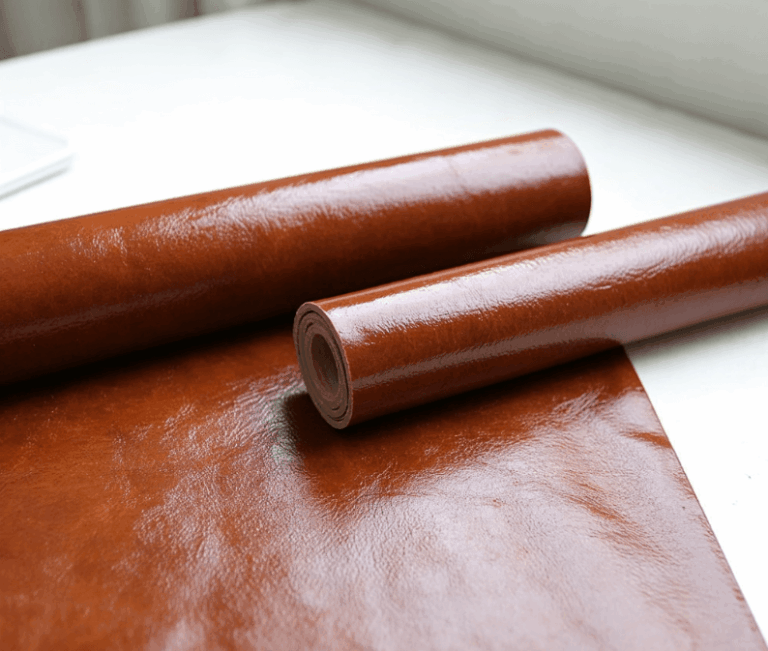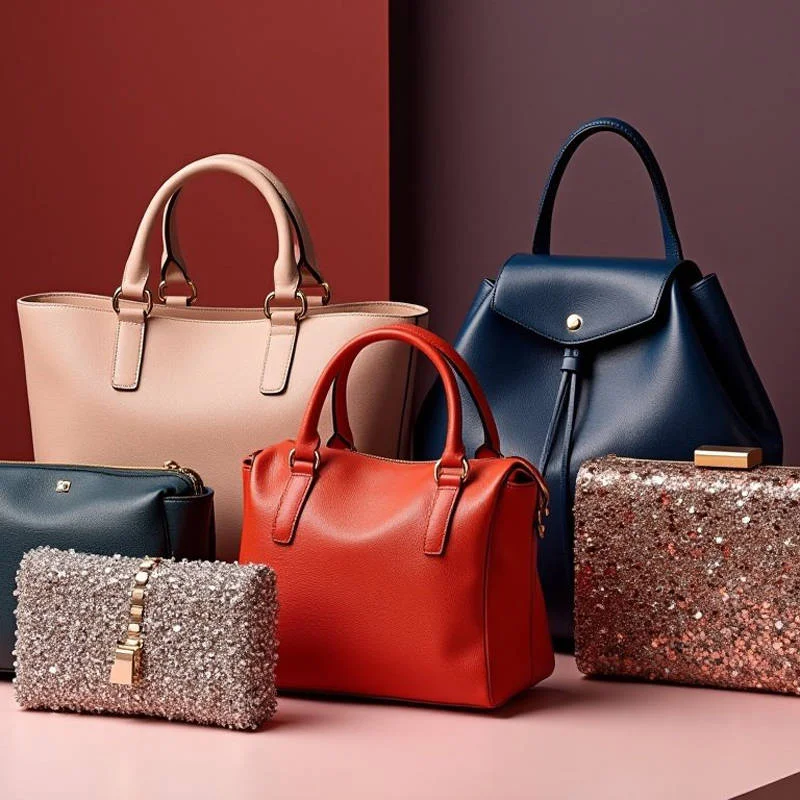
Cowhide is probably the most popular type of leather in the world. Therefore, its price is higher than that of buffalo leather and goat leather. It is made from natural leather of cattle with fur. Cowhide is widely used in the manufacture of bags, belts, furniture, jackets and shoes,So what is Cow Fur,and why is it considered expensive? Here you will get to know about it. Keep reading to learn the important things about cowhide, which makes it expensive.
What is cow fur leather?
Cowhide is the leather produced from the skin tissue of bovine animals (such as cattle, water buffalo, yak, etc.) after undergoing processes like hair removal and tanning. It retains the natural structure of animal skin, including the epidermis, dermis, and subcutaneous tissue. The dermis serves as the core component in leather processing, rich in collagen fibers that impart excellent physical properties to cowhide.

Characteristics of Cowhide
Cowhide features exceptional abrasion resistance, fold resistance, and tear resistance. It offers excellent breathability and a soft, comfortable feel. Compared to other leathers, it boasts superior strength and durability, is easy to maintain, and has a long service life.
Classification of Cowhide
Based on different layers, cowhide can be categorized into top-grain cowhide, split-grain cowhide, and others. Top-grain cowhide is the original layer of the cowhide, offering the highest quality with excellent breathability and comfort. It is commonly used for high-end leather products. Split-grain cowhide is processed from other layers of the cowhide, differing in texture and application from top-grain cowhide.
Applications of Cowhide
After undergoing processes such as cleaning, dehairing, and tanning, cowhide can be transformed into various leather goods including shoes, bags, belts, jackets, and sofas. It also finds applications in automotive steering wheel covers, genuine leather notebook covers, luggage, and jewelry boxes. Additionally, cowhide is utilized in traditional Chinese medicine for its diuretic, anti-edema, and detoxifying properties.
Is cow fur leather durable?
Cowhide typically exhibits high durability, owing to its natural fiber structure, excellent physical properties, and optimized processing techniques. However, its durability is also influenced by various factors such as the breed of cow, processing methods, usage environment, and maintenance practices

Differences in Durability Among Various Types of Cowhide
The durability of cowhide is directly related to its classification, with different grades exhibiting varying levels of durability:
| Type | Durability Rating | Core reason |
| Full-grain cowhide | ★★★★★ | The outermost natural fiber layer of the cowhide is preserved, featuring intact fibers and high density. With minimal cutting and processing, it offers exceptional durability and breathability, making it the most resilient category of cowhide leather. |
| Second-layer cowhide | ★★★★☆ | Made from the fibrous layer beneath the top-grain cowhide, it undergoes processes such as coating and embossing to enhance stability. While its durability is slightly inferior to top-grain leather, it remains superior to most synthetic leathers. |
| Recycled cowhide | ★★★☆☆ | Made by pulverizing and re-pressing leather scraps, it features a relatively loose fiber structure. Prolonged use may lead to delamination and wear, resulting in comparatively lower durability. |
The manufacturing process further enhances durability
Natural cowhide requires specialized processing to become a finished material, with the tanning process being the critical step determining its durability.
- Untanned “raw hides” are prone to decay and hardening, rendering them unusable.
- After undergoing chrome tanning (the mainstream process) or vegetable tanning, the fiber structure of cowhide becomes more stable. This not only resists bacterial erosion but also enhances water resistance and aging resistance, significantly extending its service life.
Impact of Usage Environment on Cowhide Durability
The usage environment significantly affects the durability of cowhide. In dry, clean conditions, cowhide products maintain good condition and extend their service life. Conversely, in humid, dusty, or heavily polluted environments, cowhide items are prone to moisture absorption, mold growth, or staining, leading to reduced durability.
Is cow fur leather good for making bag?
Cowhide leather is exceptionally well-suited for handbag production. Its natural physical properties, diverse processing possibilities, and wide range of applications make it an ideal material for crafting bags. Its suitability can be analyzed through the following core advantages, applicable scenarios, and care considerations:
The core advantages of cowhide for making bags
Exceptional Durability
Cowhide features a dense fiber structure with outstanding resistance to stretching and abrasion, coupled with high toughness that withstands the daily weight and pressure of carrying items. After tanning, cowhide leather gains further enhanced strength and resilience, enduring friction, compression, and pulling during regular use without easily deforming or tearing. For instance, a top-grain leather bag, when properly maintained, can last for years or even longer, far surpassing the lifespan of synthetic leather or thin leather bags.
Premium Texture
Cowhide features natural surface textures (such as full-grain, grain-in-grain, or pebble grain), a soft sheen, and a supple or structured feel (depending on processing methods), exuding understated luxury. Whether in formal business bags or casual fashion pieces, cowhide elevates overall sophistication through its refined texture.
Highly adaptable, compatible with various bag styles and functions
Cowhide leather can be adjusted for hardness and softness through different thicknesses and processing techniques, enabling diverse designs through embossing, dyeing, coating, and other methods.
Suitable Scenarios for Different Types of Leather Bags
Different leather processing techniques yield distinct characteristics in cowhide, resulting in variations in suitable bag styles and usage scenarios. For specific details, please refer to the table below:
| Leather Type | Core Features | Compatible Package Type | Applicable Scenarios |
| Full-grain cowhide leather | Natural texture, durable, breathable | Tote bag, briefcase, shoulder bag | Daily commuting, business attire, and light luxury styling |
| Oil-waxed / Waxed cowhide | Highly water-resistant, develops a richer luster with use | Motorcycle bag, messenger bag, hiking backpack | Outdoor adventures, rainy day use, vintage-inspired styling |
| Soft-skinned (Napa) | Soft and smooth, with a pleasant feel | Crossbody bag, bucket bag, clutch | Daily shopping, dates, and casual outings |
| Full-grain cowhide (laminated) | High cost-performance ratio, stain-resistant and easy to clean | Student Backpacks, Affordable Commuter Bags | Scenarios involving frequent daily use and limited budgets |
| Vegetable-tanned cowhide | High hardness, dyeable, easy to shape | Structured handbags, handmade DIY bags | Handcrafted, durable for long-term use |
Care Recommendations for Leather Bags
- Daily Cleaning: Use a soft-bristled brush or dry cloth to remove dust. Avoid using chemical cleaners.
- Waterproofing: Regularly apply specialized leather waterproofing agents to enhance water resistance (especially recommended for untreated cowhide).
- Storage Environment: Keep in a dry, well-ventilated area away from direct sunlight or high temperatures to prevent leather from hardening or cracking.
- Repair and Maintenance: Minor scratches can be concealed with leather care cream; severe wear requires professional restoration.
Why is cowhide so expensive?
The high price of cowhide stems primarily from the combined effects of raw material scarcity, high processing costs, strict quality grading, and market supply and demand dynamics. Throughout the entire process from raw material to finished product, multiple stages collectively drive up its cost. This can be broken down into the following five core reasons:
Long breeding cycles and limited supply
Cattle typically require 1-3 years to reach maturity (significantly longer than pigs or sheep), consuming substantial feed and land resources while incurring high breeding costs. Furthermore, not all cattle hides qualify for premium leather—sick or disabled cattle produce fragile fibers, while calves (used for high-end calfskin) entail even greater breeding expenses, further restricting the supply of quality raw materials.
Low raw material utilization, stringent selection
A whole cowhide undergoes multiple rounds of screening:
- Sections with scars, insect damage, or wrinkles must be discarded (natural farming conditions like cattle fights and insect bites leave imperfections);
- After being split into layers, only the top grain leather (approximately 30%-40% of the original hide) is suitable for high-end products. Split leather and regenerated leather can only be used for mid-to-low-end items, significantly increasing the unit cost of premium materials;
- Although large cattle (such as yellow cattle and water buffalo) have extensive hide areas, the “flaw-free zones” suitable for bags and shoes are limited, further reducing utilization rates.
Processing Technology: Complex Workflow with High Labor/Equipment Costs
| Core Process | Cost Structure |
| Tanning Process | The most critical and costly stages: – Requires chromium salts (chrome tanning) or natural plant tannins (vegetable tanning), with high raw material costs; – Tanning requires strict temperature and humidity control, taking 2-7 days and necessitating skilled craftsmen to prevent leather hardening or spoilage; – Vegetable tanning (commonly used for premium cowhide) relies more heavily on natural materials, has a longer production cycle (up to 1 month), and costs 2-3 times more than chrome tanning. |
| Finishing Process | Key Determinants of Leather Texture: – Full-grain cowhide must preserve its natural grain pattern with only light finishing, demanding high precision in craftsmanship and allowing minimal error tolerance; – Waxed cowhide and oil-waxed leather require repeated manual application of wax, relying heavily on artisan expertise and incurring high labor costs; – Embossing, printing, and similar processes necessitate specialized molds and equipment, with mold investments reaching tens of thousands of yuan per unit. |
| Cutting and Quality Inspection | Premium leather goods (such as high-end handbags and leather shoes) require manual cutting to avoid imperfections in the leather, resulting in low utilization of scrap materials. Finished products undergo multiple rounds of quality inspections (e.g., abrasion resistance testing, waterproof testing), with non-compliant items requiring rework, further increasing costs. |
Strict Quality Grading
Cowhide is categorized into multiple grades based on quality, such as top grain leather and split leather. Top grain leather constitutes the outermost layer of cowhide, offering the highest quality and commanding the highest price. Split leather, derived from the second layer of the hide, exhibits relatively lower quality and a correspondingly lower price. Furthermore, top grain leather can be subdivided based on hide quality and processing techniques into full-grain leather and semi-grain leather. Full-grain leather, free of coatings, represents the highest quality and commands the highest price; semi-grain leather features a coating and is relatively more affordable. This rigorous grading system contributes to the premium pricing of high-quality cowhide.
Market Supply and Demand: Premium Demand and Brand Premium
Robust Demand in the High-End Market
With consumption upgrades, consumers increasingly favor “durable, high-quality” products. Leather goods (such as genuine leather bags and sofas) have become emblematic of quality consumption, where tight supply-demand dynamics drive up prices. Simultaneously, premium brands (like LV and Coach) command significantly higher prices for their leather products due to design and brand value, far exceeding raw material costs.
Cost Accumulation Across Supply Chain Stages
From origin (e.g., livestock regions in Australia or Brazil) to processing plants and final product distribution, cowhide undergoes multiple stages including transportation, warehousing, and dealer channels. Each stage adds freight costs, storage fees, and channel profits, ultimately reflected in the final retail price.
Conclusion
Cowhide is expensive because of its benefits but worth the investment. You invest once for a cowhide leather product but can use them for years with proper maintenance. So, choose cowhide over other types of leather because of its high ROI.