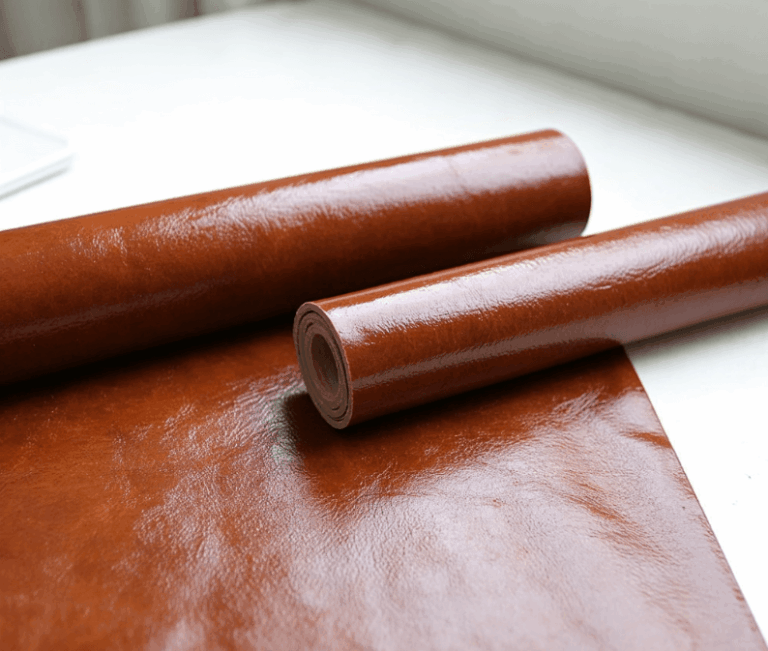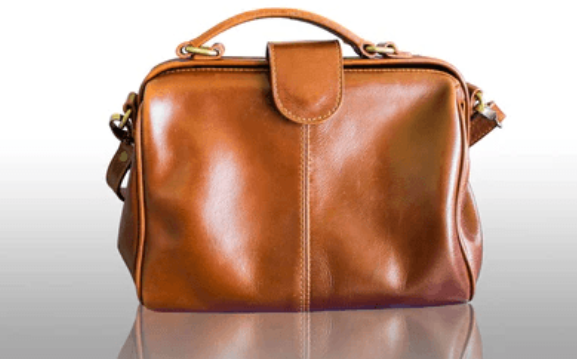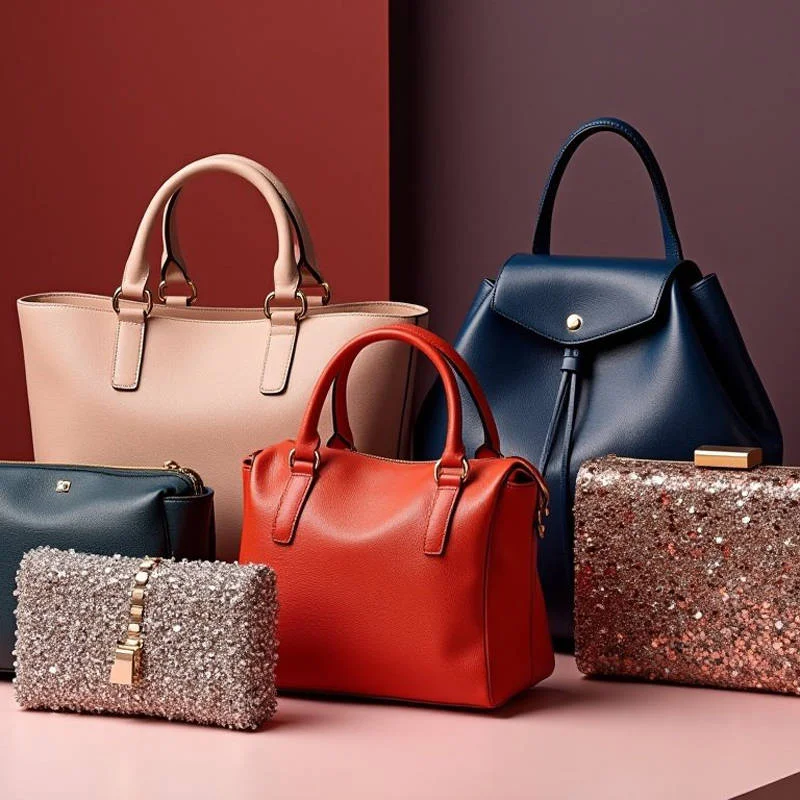
Today, in the pursuit of sustainable fashion and cost-effectiveness, PU leather has become an alternative to genuine leather. PU leather (polyurethane leather) is a synthetic material that imitates genuine leather but is much cheaper. It also has the advantages of being wear-resistant, easy to clean and affordable. Therefore, its application range is getting wider and wider, and it is often used in the manufacture of bags, jackets, shoes, car interiors and furniture decorations, etc.
This article will explore the characteristics, advantages and disadvantages of PU leather material. If you want to use PU leather to make bags for your own brand, then this article is very suitable for you.
What is polyurethane leather (PU leather)?
PU leather, also known as polyurethane leather, is a type of artificial leather material made from thermoplastic polymers, which is widely used in the manufacturing of luggage, shoes and furniture. As a representative of vegan leather, PU material contains no animal components and simulates the texture of genuine leather through chemical synthesis.
Classification of PU leather
According to the manufacturing process, it can be divided into two types:
All-artificial PU leather: Made entirely of polyurethane material
Composite PU leather (double-sided leather) : It takes the remaining fiber layer from the genuine leather production process as the base and is coated with a polyurethane layer on the surface. This process not only enhances durability but also enables the recycling of leather scraps.
There are significant differences between the two types of products in terms of texture, breathability and service life. Consumers can make a choice based on their actual needs.
The core characteristics of PU Leather
Excellent physical properties
- Wear-resistant and tear-resistant: The PU coating endows it with high strength, and its tensile and wear resistance are significantly better than those of traditional PVC artificial leather, with a long service life.
- Soft and breathable: Through wet processing or ultra-fine fiber base fabric, PU leather can achieve a porous structure, with breathability close to that of natural leather, making it comfortable to wear without feeling stuffy.
- Strong weather resistance: It remains flexible at low temperatures and is not prone to cracking. It has excellent light aging resistance and hydrolytic stability, and is suitable for various environments.
Environmental protection and safety
- Low-pollution process: Modern PU leather production employs waterborne polyurethane or dispersion technology, reducing the use of organic solvents and lowering the emission of volatile organic compounds (VOCs).
- Recyclability: Some PU leather base fabrics are made of recycled polyester fibers, supporting recycling and conforming to the trend of sustainable development.
Appearance and Plasticity
- High simulation degree: Through processes such as embossing, frosted, and polished, it can simulate the textures of various natural leathers like crocodile skin, suede, and patent leather, meeting diverse design requirements.
- Rich in color: The PU coating is easy to dye, has high color fastness and is not prone to fading, making it suitable for fashionable fast-moving consumer goods.
Key Features of PU Leather:
| Feature | Description |
| Material Base | Typically polyester or split leather |
| Surface Coating | Polyurethane (PU) layer to mimic leather grain |
| Look & Feel | Smooth, leather-like appearance |
| Water Resistance | More water-resistant than real leather |
| Durability | Fairly durable, but less so than genuine leather |
| Breathability | Less breathable than natural leather |
| Eco/Animal Friendliness | Often marketed as vegan leather (if not made with animal products) |
| Cost | Usually cheaper than genuine leather |
The advantages and disadvantages of PU leather
In the contemporary consumer goods market, PU leather (polyurethane leather), as the main substitute for genuine leather, is increasingly widely used. For consumers who pursue cost-effectiveness and environmental protection concepts, it is crucial to have a comprehensive understanding of the characteristics of PU leather. The following is a systematic analysis of its advantages and disadvantages from multiple dimensions:
The advantages of PU leather
Low cost
The production cost of PU leather is significantly lower than that of genuine leather, and its price is usually only 1/3 to 1/5 of that of genuine leather. This cost advantage stems from a simplified manufacturing process, eliminating the need for animal breeding, slaughtering and complex tanning, making it a more economical choice for consumers.
Convenience of use
Genuine leather requires special conditioner and careful cleaning, while PU leather has excellent water resistance. After liquid spills, it can be simply wiped clean, making it particularly suitable for frequently used bags and outdoor furniture in daily life. Compared with the sensitivity of genuine leather to humidity, PU material is easier to maintain.
Design diversity
Through modern technology, the thickness (0.5-1.2mm), texture and color can be precisely controlled. It can perfectly replicate high-end leather textures such as crocodile and lychee patterns, and supports custom fluorescent colors and other special effects, meeting the creative needs of fashion brands.
Environmental protection
Pure PU products conform to the concept of vegetarianism, and the carbon footprint during the production process is approximately 60% lower than that of genuine leather. The new generation of water-based PU technology further reduces VOC emissions and complies with the EU REACH environmental protection standards. For those who oppose the use of animal products, 100% PU leather offers a cruelty-free alternative to genuine leather.
Durability and consistency
PU leather is generally water-resistant, stain-resistant and resistant to fading under sunlight. Its uniform appearance lacks the natural flaws of genuine leather, which may be an ideal quality in some applications.
Disadvantages of PU leather
Durability defect
The average service life of PU leather is 2 to 5 years. However, as the usage time increases and it is bent, the frequently bent parts are prone to cracking, peeling and tearing. Laboratory tests show that its tear resistance is only 1/8 of that of top-quality cowhide, and its lifespan cannot be extended through maintenance. PU leather does not develop rich patina and is characterized by aging genuine leather.
Low air permeability
PU leather is not as breathable as genuine leather. Its breathability index (ASTM E96 standard) is less than 30% of that of genuine leather. Long-term contact may cause a stuffy feeling, and it may feel sticky or sweaty. It is not suitable for making close-fitting shoes or clothing, but it is a good material for making bags.
Texture perception
Although high-quality PU leather can be very similar to genuine leather, low-grade PU leather may have a distinct artificial, plastic-like touch and luster. Despite the continuous advancement of surface treatment technology, the warmth of the touch and the changes in natural luster that occur with use still cannot match that of genuine leather. Some low-priced products will give off a distinct chemical smell.
Environmental protection controversy
The production of PU leather involves the use of petrochemical products and solvents, which may have a negative impact on the environment. Moreover, the degradation of PU leather takes more than 50 years. Although bio-based PU (such as corn leather and banana leather) has begun to gain popularity, its current market share is less than 20%. Please note that “double-sided PU leather” may contain animal ingredients and is not strictly vegetarian.
PU leather VS genuine leather
Genuine leather has a lustrous appearance, looks good when it ages, and is more breathable, but it requires maintenance and is expensive.
PU leather has low maintenance costs and is economical, but it lacks lifespan and natural texture.
PU Leather Pros vs. Cons:
| Pros ✅ | Cons ❌ |
| Lower cost | Less breathable |
| More durable against stains/scratches | Can peel/crack over time |
| Eco-friendly (if no PVC) | Not as soft/pliable as real leather |
| Easier to maintain | Shorter lifespan than genuine leather |
The methods to distinguish PU Leather from genuine leather
- Observe the texture: Genuine leather has natural pores and patterns, while PU leather is artificially embossed with repetitive patterns.
- Touch feel: Genuine leather is soft and elastic, while PU leather feels relatively hard and has poor elasticity.
- Burning test: When genuine leather burns, it gives off a burnt smell of hair, and the ashes are fragile. PU leather has a plastic smell when burned and melts into lumps.
- Water drop test: Genuine leather has strong water absorption, while PU leather has excellent water resistance, making it difficult for water droplets to penetrate.
Maintenance suggestions for PU Leather
- Cleaning: Wipe with a damp cloth. Avoid using corrosive cleaning agents such as alcohol and bleach.
- Moisture-proof: Avoid rain on rainy days. Dry in time after use to prevent deformation.
- Sun protection: Prolonged exposure to the sun may cause fading or hardening. It should be stored in a cool and well-ventilated place.
- Care: Regularly apply dedicated maintenance oil or wax to maintain softness and luster.
- Repair: For minor scratches, apply a leather repair pen and then wipe it evenly with a soft cloth.
Purchase suggestions
For consumers with short-term usage, limited budgets or those pursuing specific design effects, PU leather is an ideal choice.
For users who pursue timeless quality and natural texture, it is recommended to invest in full-grain genuine leather products.
It is worth noting that with the development of technology, new-generation eco-friendly materials such as apple peels and mushroom mycelium are breaking through the limitations of traditional PU.
How long does PU leather last?
How durable is PU leather? PU leather (polyurethane leather) has moderate durability. Long-term use is prone to surface wear or coating peeling. The average service life of PU leather is 2 to 5 years, but its lifespan depends on quality, usage and maintenance.
Factors of durability
- Scratch resistance and stain resistance: The PU coating is more resistant to minor scratches and spills than genuine leather, making it low-maintenance.
- Water resistance: Unlike genuine leather, PU does not absorb moisture, preventing warping or staining.
- Prone to peeling and cracking: Over time (typically 2 to 5 years of regular use), the PU layer may peel off or crack.
- Chemical resistance: PU leather has better resistance to acids, alkalis and mold than untreated genuine leather.
- Temperature resistance: PU leather can still maintain flexibility in low-temperature environments, but high temperatures (such as when the temperature inside the car exceeds 60℃ in summer) can cause the coating to soften and deform, and even stick to the skin. In contrast, genuine leather is regulated by natural oils and has a wider temperature resistance range (-30℃ to 80℃).
- Tear resistance and wear resistance: The tear resistance of PU leather is approximately 60% to 70% of that of natural leather. The surface coating is prone to cracking or peeling after long-term bending or friction.
PU leather is durable enough for light to moderate use, but it won’t last as long as genuine leather. High-end PU (such as microfiber leather) performs better, while cheap PU may degrade very quickly.
Comparison to Other Materials
| Material | Lifespan | Durability Weakness |
| PU Leather | 2–5 years | Peeling, stiffness |
| Genuine Leather | 5–20+ years | Scratches, water damage |
| Bonded Leather | 1–3 years | Flaking, poor flexibility |
| PVC Leather | 3–7 years | Hardens over time |
Is PU leather good for bags?
Yes, PU leather is very suitable for making bags because PU leather bags are affordable, come in a variety of styles and have low maintenance costs. PU leather material is a popular choice for handbags, backpacks and tote bags, but its applicability depends on your priorities – budget, durability, ethics and style.
The advantages of using PU leather for bags
- Affordable price: Much cheaper than genuine leather bags, making it an ideal choice for fashionable or seasonal bags.
- Vegetarian and cruelty-free: No use of animal products, attracting ethical shoppers.
- Lightweight: It is easier to carry than genuine leather, which can be quite heavy.
- Waterproof: Better at handling rainwater and spills than untreated genuine leather.
- Easy to clean: Wipe clean with a damp cloth; No special adjustment is required.
- Various styles: Can be dyed in any color, embossed textures (such as crocodile patterns), or glossy/matte.
The disadvantages of making bags with PU leather
- Not very durable: After 2 to 5 years of long-term use, it is prone to peeling or cracking.
- Non-breathable: It feels sticky in warm weather (not as breathable as genuine leather).
- Ecological issues: Most PU is based on plastic (unless labeled “bio-PU” or recyclable).
- Lack of patina: It will not bring out the rich aging effect of the dermis.
PU vs. Genuine Leather for Bags
| Feature | PU Leather Bag | Genuine Leather Bag |
| Price | $20–$100 | $100–$500+ |
| Lifespan | 1–5 years | 10+ years (with care) |
| Maintenance | Low (wipe clean) | Needs conditioning |
| Eco-Impact | Petroleum-based (usually) | Biodegradable (if not heavily treated) |
| Feel | Can feel plasticky | Softens over time |
PU leather is an excellent material for making bags, especially suitable for manufacturing lightweight and fashionable bags. However, it is not suitable for making heavy-duty bags (such as hiking backpacks and suitcases), nor is it suitable for making durable heirloom quality bags. In addition, PU leather is slightly inferior to genuine leather in terms of durability and texture.
Conclusion of PU leather
PU leather, as an alternative to genuine leather materials, is a popular choice for many consumers and manufacturers due to its affordable price, easy care and multi-functionality. However, for those who prioritize long-term durability, genuine leather products might be more suitable.
Of course, PU leather is also very suitable for making bags. If you are looking for a PU leather bag manufacturer, welcome to contact us and design your brand bags together.