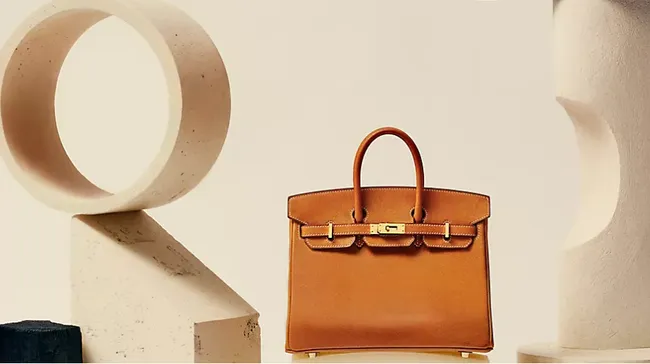
The Birkin bag is a high-end handbag meticulously crafted by the French luxury brand Hermès. Its main materials are made of full-grain leather or exotic leather. The quality of the materials directly determines the price, durability, and value retention.
Material is the foundation, while craftsmanship is the soul. The Birkin bag is complemented by exquisite metal accessories and superb handcrafting. The interior of the bag typically uses high-quality leather lining that matches the exterior, and is completed through hand sewing, ensuring that each bag is a masterpiece, making the Birkin bag gradually become the “king of handbags”.
Why? Through the method of handcrafting, the natural advantages of high-quality materials are fully unleashed, transforming raw leather and metal into timeless luxurious items that become more elegant over time.
This post will explore the materials used in manufacturing the Birkin bag: leather and hardware, as well as the manufacturing process.
What Is a Birkin Bag?
The Birkin bag is hailed as the “King of Handbags”, being the top handbag launched by the French luxury brand Hermès. Due to its exquisite craftsmanship, strict scarcity, and remarkable value preservation ability, it has long transcended the realm of a fashionable accessory, becoming a symbol of wealth, taste, and culture.
Legend Emerges: An Unintentional High-Flying Conversation
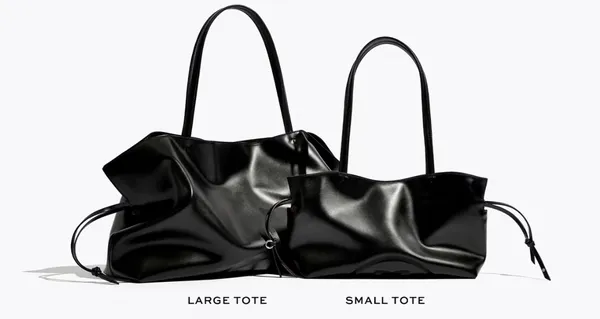
It is a spacious tote bag that combines practicality and elegance. Its creation originated from an accidental conversation on a flight in 1984: British-French singer Jane Birkin complained to the then CEO of Hermès, Jean-Louis Dumas, that she couldn’t find a large capacity handbag she liked. Dumas drew a sketch on the spittoon on the plane and thus the legend began. To honor its inspiration muse, this bag was directly named “Birkin”.
Key Characteristics of Birkin Bag
| Feature | Details |
| Sizes | 25, 30, 35, 40, 45 cm (and Mini) |
| Materials | 90+ leather types: Togo, Epsom, Swift, Box cowhide; plus exotic skins like crocodile, ostrich, lizard |
| Craftsmanship | Handmade by a single artisan; takes 18–48 hours per bag using saddle stitching |
| Closure | Flap with metal lock & key (originally for travel security) |
| Retail Price | Starts around 7,500–12,500 USD for standard leather; exotic skins can reach 100,000–500,000+ |
| Resale Value | Some rare models sell for millions at auction |
Birkin vs. Kelly — Quick Distinction
| Birkin | Kelly | |
| Shape | Wider, deeper, more relaxed | Narrower, more structured |
| Handles | Two handles | Single handle |
| Flap | Three-panel flap (leaves room for handles) | Single flap |
| Vibe | Casual, spacious, travel-friendly | Formal, elegant, polished |
Dimensions and Materials
- Standard sizes: B20 / B25 / B30 (classic model) / B35 (in centimeters).
- Classic leather: Togo / Clemence (textured calfskin, scratch-resistant), Swift / Box, Chevre (goat skin).
- Rare materials: Porosus and Niloticus crocodile skin (protected by CITES), ostrich skin, lizard skin – usually the most expensive.
Why the Materials of a Birkin Bag Matter?
The material used for Birkin bags is what makes them unique. These materials not only determine the appearance and feel of the bags, but also affect their weight, durability, aging degree, long-term value, and ultimately their legendary status.
Material Trio: Leather, Craftsmanship, and Rarity
The value of a Birkin bag is directly determined by three inseparable factors: the quality of the material, the time-honored craftsmanship during the production process, and the rarity of both the leather itself and the final bag.
- Leather as the foundation: Hermès not only uses leather but also sets the industry standard. The company refuses any leather with even the slightest defect. All raw materials come from top tanning factories, and it is said that the best leather comes from the backs of animals. This unparalleled quality is precisely the greatest charm of this brand.
- Leather shapes the personality of the bag: Choosing leather is not just for aesthetics; it is the most important factor in determining the personality of the bag. Your choice should reflect your aesthetic taste, usage method, and even your tolerance for possible wear and tear.
- The influence of craftsmanship: High-quality materials are of no value if they lack the skills to transform them into works of art. The saddle stitching method is a manual sewing technique that requires years of training and is the key. This craftsmanship cannot be replicated by machines and is highly regarded for its high durability. Finally, it is polished with beeswax to further strengthen the firmness of the seams.
- Rarity as a philosophy: By limiting production and controlling distribution, Hermès ensures that each Birkin is never an impulsive choice but a carefully considered purchase. This deliberate scarcity, combined with the limited nature of the exquisite materials themselves, keeps the demand strong and consolidates the status of Birkin as the ultimate collectible.
Importance of the Materials
1. Durability and Longevity
Different types of leather will show different levels of wear over time:
- Hermès Togo leather is highly popular due to its scratch resistance and ability to maintain its shape.
- Clemence leather is softer and looser, but it tends to become loose after use.
- Exotic leathers such as American alligator or Nile crocodile have unique textures and can be very durable with proper maintenance.
The choice of material affects the durability of the bag and the level of maintenance required.
2. Appearance and Texture
Materials can produce completely different aesthetic effects:
- Togo leather has a fine matte texture.
- Boxed calfskin presents a smooth, shiny, and formal appearance.
- Exotic leathers have unique scale-like textures that make each bag visually distinctive.
For many collectors, material and color are equally important.
3. Weight and Comfort
Some leathers are significantly heavier than others. A large bag made of lightweight leather may be more suitable for daily carry-on, while a thicker material will make the bag feel more stable.
4. Rarity and Uniqueness
Material selection is an important driver of scarcity:
- Standard leather is more common.
- The production of rare materials and special custom combinations is much smaller.
- Limited-production materials often attract collectors.
- Rare materials typically have higher prices in the retail and resale markets.
5. Resale and Investment Value
The secondary market value of a Birkin bag is largely determined by the material. Certain combinations of leather, color, size, and hardware are particularly popular. Bags made of rare exotic leather or discontinued materials may command a price much higher than similar bags made of ordinary leather.
6. Craftsmanship
Different materials require varying degrees of professional skills for processing. Exotic leathers often involve more complex cutting, stitching, and handcrafting processes, which also make them more valuable and costlier.
The “Structure” of a Bag Is Actually the Leather Panel Itself
Unlike cloth bags which maintain their shape through stitching or reinforcement materials, the outline of a Birkin is highly dependent on the texture, texture, and edge treatment of the leather:
The side walls and sides must withstand the pressure from long-term use to prevent sagging;
- The flap part needs to be strong enough to support the entire frame, but not too fragile;
- The bag edges are exposed all the time and frequently come into contact with things, so whether the leather can withstand the effects of sanding, dyeing, or waxing determines whether it will look clean and textured, or appear tired and old.
In short, in a Birkin, the material is part of the framework, not just the lining.
What Are Birkin Bags Made Of?
The Birkin bag is made of top-quality animal leather materials, which vary in texture, feel, weight and toughness. Additionally, all the hardware components on the bag are made of top-grade metals and feature advanced coating technology, which is another significant symbol of the brand’s heritage.
Types of Leather Used in Birkin Bags
The Birkin bag mainly uses two types of leather: premium calfskin and exotic leather. Each material has its own unique characteristics, which also determine the different lifecycles of the handbag. Among them, calfskin is the core material of the Birkin bag. From the classic Togo to the lightweight Epsom, the material itself influences the width and feel of the bag.
Premium Calfskin
| Leather | Key Features | Appearance & Feel | Pros | Cons |
| Togo | Best-selling, most popular Birkin leather. Introduced in 1997, named after Togo. | Matte finish, natural pebbled grain, slightly bumpy. Supple, spongy, and resilient. | Very scratch-resistant – hides wear well. Softens over time, developing a relaxed “slouch” without losing shape. | May sag slightly with heavy use over many years. |
| Clemence | Also called “Taurillon Clemence”; introduced in the mid-1980s. Distinct matte, velvety texture. | Matte, larger and more pronounced grain than Togo. Extremely soft, high oil content. | Water-resistant. Its softness gives a casual, slouchy look. | Heavier than Togo. Very prone to noticeable slouching. |
| Epsom | Lightest and most rigid option. Embossed calfskin introduced in 2004 (replaced Courchevel). | Matte, fine cross-hatch embossed grain. Very firm; due to embossing, feels slightly less “natural”. | Extremely lightweight, very durable, scratch-resistant, easy to clean. Perfectly holds shape – no slouch. | Lacks the warm, natural hand feel of non-embossed leather. |
| Box Calf | One of Hermès‘ oldest and most classic leathers. | Glossy, smooth, fine, shiny. | Classic – develops a rich patina over time (vintage appeal). | Very easily scratched – requires meticulous care. |
| Swift | Relatively newer leather, known for its silky hand feel. | Matte (some sources say glossy), extremely soft, silky smooth. | Takes dye beautifully → vibrant, saturated colours. | Very soft → shows creases and scratches easily; does not hold structure well. |
| Barenia | Hermès’ historic saddle leather. Vegetable-tanned or combination-tanned. | Smooth, fine, develops a rich patina with use; natural leather scent. | Very durable – minor scratches can be rubbed away. Water may leave spots. | Requires dedicated care; not ideal for rainy days. |
| Courchevel | Discontinued, predecessor to Epsom. | Similar appearance and feel to Epsom but heavier. | Held shape perfectly. | Now discontinued. |
Exotic Leathers Used in Premium Birkin Bags
| Leather | Key Features | Appearance & Feel | Pros & Notes |
| Crocodile | The top exotic choice. Available in matte or glossy. Sub-types: Porosus (most prestigious, often a dot on each scale) and Niloticus. | Beautiful scale pattern; matte has a velvety sheen; glossy is highly reflective. | Ultimate luxury, extremely rare. Secondary market prices typically $40,000 – $200,000+. |
| Alligator | American alligator; often seen as a more “accessible” crocodilian. | Scale pattern slightly less uniform; still very luxurious. | Higher production than crocodile, somewhat lower price. Secondary market $40,000 – $200,000+. |
| Ostrich | Famous for its distinctive quill pores and fluffy feel. | Unique “dot” pattern; very soft, elastic, and lightweight. | Very light. Secondary market typically $25,000 – $35,000. |
| Lizard | Extremely rare; usually used for smaller bags due to hide size. | Unique, fine grain; often used in multi-colour or small Birkin 25. | Light, rare, distinct texture. Often used for accents or small bags. |
Metal Hardware Used in Premium Birkin Bags
| Hardware Type | Plating / Material | Characteristics & Style | Rarity |
| Gold Hardware (GHW) | 18k gold | Warm gold tone, high-polished mirror finish – luxurious, vintage, brilliant. | Common |
| Palladium Hardware (PHW) | Palladium | Cool silver-white tone; palladium is rarer than platinum, durable, scratch-resistant. | Common |
| Brushed Gold (BGHW) | Matte brushed gold | Satin finish, understated, modern – hides fine scratches well. | Rare |
| Brushed Palladium (BPHW) | Matte brushed palladium | Uniform style; matte finish further reduces visibility of scratches. | Rare |
| Permabrass (PBHW) | Champagne-gold alloy | Champagne gold – a neutral tone between gold and palladium; understated and warm. | Rare |
| Rose Gold (RGHW) | Rose gold | Rose / pink gold – warm and romantic; the least produced among all hardware types. | Extremely rare |
| Ruthenium | Ruthenium | Dark grey / gunmetal – cool, modern, but the surface shows scratches easily. | Rare |
| PVD (Physical Vapor Deposition) | PVD coating | Matte pure black finish, extremely wear-resistant – e.g., the “So Black” collection hardware. | Very rare |
| Guilloché | Guilloché engraving | Precision geometric patterns engraved on palladium – highly artistic. | Extremely rare |
| Electrum Gold | Gold silver alloy | Mixed gold and silver tone. | Extremely rare |
Every Hardware Piece — Named & Explained
| Piece | Function |
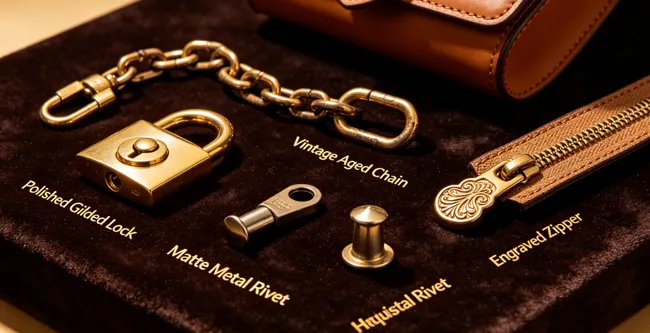
| Touret | The center turn-lock on the flap — turned to lock or open the sangles |
| Plaque | Metal plate on each sangle strap; one is engraved “Hermès” (goes on top when stacked) |
| Pontets | Thin metal brackets holding the buckle straps |
| Lock | Padlock securing the flap; “Hermès” engraved on it |
| Keys (×2) | Carried in a leather lanyard called the clochette |
| Clous / Pieds | Four metal feet on the base — protect leather from surfaces |
| D-rings | Connect the handles to the bag body |
| Zipper pulls | Engraved with Hermès logo; early 2000s+ bags have a metal “H” at the zipper end |
Authenticity Markers in the Hardware
| Marker | Gold Hardware | Palladium Hardware |
| Paris stamp on front plate | Small box next to “Paris” with tiny text (readable only with jeweler’s loupe) | Hyphen after “Paris” |
| Weight | Heavy — solid brass core | Heavy — solid brass core |
| Wear pattern | Scratches only, never peels or fades | Same — tarnish-resistant |
| Zipper | Riri brand, semi-matte finish, rounded engraved edges | Same |
| Engraving | “Hermès” on lock, keys, zipper pull — crisp serif font | Same |
The Diamond Hardware — Birkin’s Crown Jewel
| Spec | Detail |
| Material | 18K white gold setting + VVS F diamonds |
| Diamond weight (35cm Birkin) | ~10 carats |
| Gold weight | ~80 grams of 18K gold |
| Price impact | Adds six to seven figures to the bag’s value |
| Found on | Almost exclusively Himalaya crocodile & top-tier exotic Birkins |
Material and Craftsmanship: The base material of the Birkin hardware is solid brass, which is chosen for its weight and durability. Subsequently, a thin layer of precious metal is electroplated onto it through a high-quality electroplating process, which not only ensures the weight and feel of the hardware but also gives it a luxurious visual and tactile appearance.
Craftsmanship Behind the Materials in Premium Birkin Bags
The reason why the Birkin bag has become the “Holy Grail” of the luxury world is not merely because it uses top-quality leather or precious metals. What truly gives these materials their soul is Hermès’ century-old, almost obsessive craftsmanship. Each Birkin bag is the result of the joint effort of a craftsman, a period of time, and a certain belief.
The “One Artisan, One Bag” Philosophy
Completely different from the mass production on the assembly line of modern industry, the production of Birkin bags follows the principle of “one artisan, one bag”. From picking up the first piece of leather to the final packing and boxing, the entire process is completed independently by the same craftsman. This model ensures that each bag embodies the entire dedication and skills of a single craftsman.
- Long working hours: Making a Birkin bag takes 18 to 48 hours. Behind this is the apprenticeship and experience accumulation of the craftsman over several years or even a dozen years.
- Hundreds of processes: From selecting the leather, cutting, stitching, sewing to installing hardware, edge sealing and polishing, it goes through hundreds of precise steps.
The Golden Rule: One Artisan, One Bag, Start to Finish
| Fact | Detail |
| Time per bag | 18–25 hours (exotic skins can take 48+) |
| Artisans per bag | Exactly one — same person cuts, stitches, assembles, finishes |
| Training before first Birkin | 4–5 years of in-house apprenticeship |
| Total Birkin artisans worldwide | ~250 across 20+ Hermès ateliers in France |
| Accountability | Each bag is stamped with the artisan’s code, workshop, and year |
The Iconic “Saddle Stitch Technique”
The core secret of the Birkin bag lies in the “saddle stitch” technique (Saddle Stitch) it uses. This technique originated from the horse gear manufacturing that Hermès was originally established on, and has been a top-level craft that cannot be replaced by machines for two centuries.
- Two needles, one thread: The craftsman holds one needle in each hand and uses a linen thread soaked in beeswax to alternately pass through the same needle hole. With each stitch, the thread is tightened forcefully.
- Extremely durable: This sewing method ensures that even if a thread is broken at a certain point, the rest of the part will not loosen. It is the fundamental guarantee of the “lasting” quality of the Birkin bag.
- Unique aesthetic appeal: The slight inclined texture and natural tension brought by hand sewing are impossible to imitate by machines. Each stitch contains the breath and force of the craftsman, giving the bag a unique “vitality”.
The Saddle Stitch — The Signature of Authentic Craft
| Element | Detail |
| Technique | Two needles, one continuous thread — passed through each hole in opposite directions |
| Thread | Waterproof linen coated in beeswax (prevents rot, adds durability) |
| Why it matters | If one stitch breaks, the lockstitch holds — the rest never unravel |
| Stitch count | 7–9 per inch (35cm+), 9–11 per inch (25–30cm) — perfectly uniform |
| Tension | Not too tight (cracks leather), not too loose (weak) — calibrated by feel |
| Finishing | Stitches are hammered flat with a specialized tool until smooth to the touch |
Fake tell: The machine stitching appears “even”, but it lacks depth and there is no change in tension. The thread material is synthetic fiber. The genuine saddle-shaped stitching has a slight slope, which the machine cannot replicate.
Extremely Strict Selection and Cutting
“Good beginnings are half of success,” for Hermès, this means an extreme level of material scrutiny.
- Leather rejection rate: A complete top-grade leather, under the scrutiny of Hermès artisans, only the most perfect parts can be selected. Any minor flaws – mosquito bites, natural texture wrinkles, even uneven dyeing – will cause the entire piece of leather to be discarded.
- Precise matching: For exotic leather such as crocodile and ostrich, artisans will meticulously arrange the scales or pores, ensuring that the patterns on the front and back, sides, and even the handles are perfectly symmetrical or harmoniously transitioned.
Handcrafted Bag Shapes and Edges
The iconic stiff profile of the Birkin bag was not formed naturally but was crafted by artisans through handwork.
- Retourné and Sellier: Two classic stitching methods. Retourné folds the seams inward, creating a round and soft classic shape; Sellier turns the seams outward, creating a hard, neat, and distinctively lined modern style.
- Edge varnishing: The leather edges of the bag are subjected to multiple hand polishing and coloring processes. Each layer needs to dry before proceeding to the next step, ultimately resulting in a smooth, full, and mirror-like finish.
Edge Finishing — Where Amateurs Fall Apart
| Step | Technique | Purpose |
| Snipping | Raw edges are cut back at an angle | Clean foundation for gluing |
| Shaving | Leather layers shaved by hand to exact uniformity | Seamless bond between layers |
| Gluing | Layers glued by hand under controlled pressure | Structural integrity |
| Sanding | Edges polished with fine-grit sandpaper | Smooth transition |
| Hot tool | Excess glue removed, edges sealed | Prevents peeling |
| Beeswax coating | Final seal against humidity | Protection + supple hand-feel |
| Hand-staining/edging | Edge paint applied by brush, layer by layer | Color-matched, chip-resistant finish |
Adhering to tradition and detailing
Even the smallest catches and handle rings reveal the handcrafted touch.
- Hardware assembly: Each catch and each D-ring is precisely adjusted by skilled artisans to ensure smooth opening and closing, precise engagement, and a distinctive crisp sound.
- Handle fabrication: The handle of a Birkin bag is one of its most intricate components. It requires bonding, shaping, and stitching of several layers of leather, taking up to 4 hours. The artisans rely on their sense of touch to ensure the handle’s curvature and softness are perfectly balanced.
Hardware Attachment — Nailed, Not Screwed
| Piece | Attachment Method |
| Touret (turn-lock) | Hand-nailed through pre-punched holes — never glued |
| Plaques & pontets | Set by hand, then riveted from the interior |
| Clochette (key holder) | Stitched to handle D-ring with saddle stitch |
| Pieds (feet) | Nailed and waxed — protect leather from surfaces |
| Lock & keys | Each key is hand-filed to match its specific lock |
Lining & Interior — Same Standard as Exterior
| Detail | Craftsmanship |
| Material | Full-grain goatskin in exact color match to exterior |
| Stitching | Saddle stitch, same as exterior — most brands use machine stitch here |
| Pockets | Interior slip pocket stitched by hand, edges finished identically |
| Final inspection | Bag turned inside-out, every seam checked under natural light |
Material-Specific Expertise
Different materials require different techniques:
| Material | Craftsmanship Challenge |
| Togo leather | Maintaining structure while preserving texture |
| Clemence leather | Managing softness and drape |
| Epsom leather | Precise shaping of embossed surfaces |
| Box calf | Avoiding scratches during construction |
| Crocodile and alligator skins | Matching scales and preserving natural patterns |
| Ostrich leather | Aligning quill follicle patterns evenly |
The Hidden Craft: Aging Is Also Craftsmanship
| Material | How Craft Enables Aging |
| Box Calf | Hand-sanded edges + beeswax seal = glossy patina in 5–10 years |
| Togo | Saddle stitch + full-grain = soft, lived-in character without structural loss |
| Epsom | Rigid stitching + dense grain = looks identical in year 1 and year 15 |
| Exotic skins | Hand-matched scale alignment = uniform darkening; poor alignment = patchy aging |
Finishing and Quality Control
| Stage | Standard |
| Edge painting | Multiple layers of hand-applied pigment, sanded between coats |
| Burnishing | Friction-polished edges for a sealed, glossy finish |
| Hardware setting | Precise alignment; no visible tool marks |
| Final inspection | Bags with flaws are destroyed or sent back for rework |
Conclusion
Birkin bag is made of high-end leather, cut along the grain direction, hand-sewn with the saddle, and fixed with solid brass hardware. The leather itself serves both as the surface and the framework.
Each Birkin bag is crafted entirely by a single artisan, taking 18 to 48 hours. It uses the double-needle saddle stitching method derived from horse tack manufacturing to ensure ultimate durability. Any minor imperfection during the selection of the leather or the cutting process will result in the entire piece of leather being discarded.
The value of a Birkin bag does not only come from the natural calfskin, exotic leathers (crocodile, ostrich, lizard), and other expensive materials themselves, but also from the combination of strict material selection, exquisite craftsmanship, and outstanding quality, making it a classic handbag that combines practicality, collectible value, and luxurious symbolic meaning.
If you also want to create your own luxury bag brand, please feel free to contact us. We will be your reliable partner.