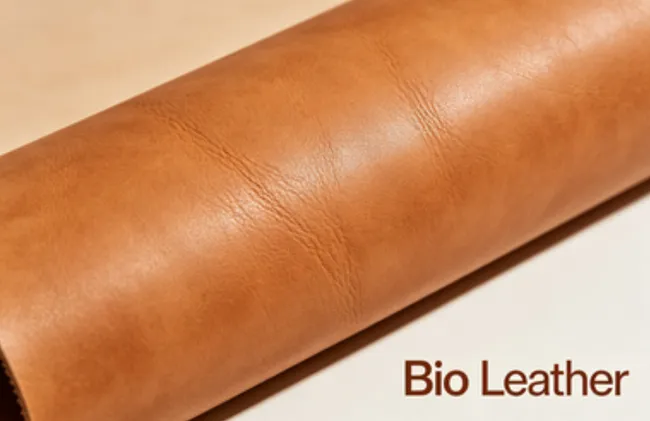
Bio Leather refers to a leather substitute material made from renewable biological substances, without any animal components or by-products. It aims to replace traditional animal leather and petroleum-based synthetic leather.
Compared to traditional animal leather, bio leather is lighter, more environmentally friendly, and has a lower carbon footprint; compared to ordinary synthetic leather, it is more natural and free of plastic odors, aligning with the current trend of sustainable consumption.
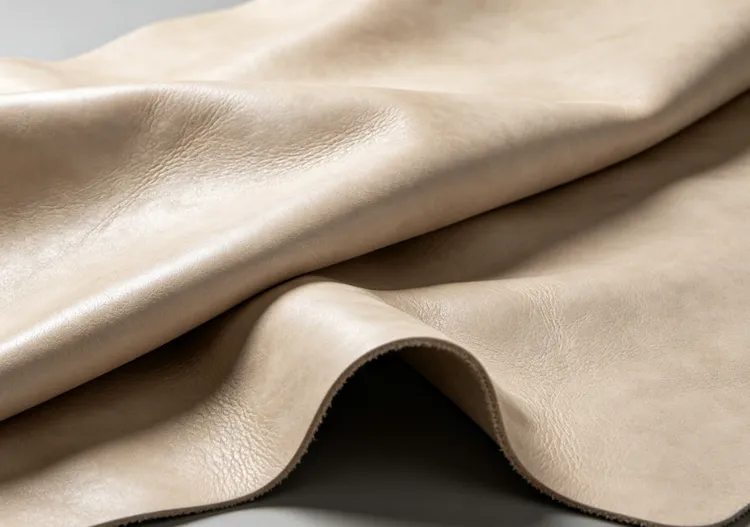
There are many varieties of bio leather, and each type of bio leather has its own unique natural texture and feel, meeting the differentiated design needs of brands.
This article will explore the characteristics, classification, and applicability of bio leather in making bags.
What Is Bio Leather Meaning?
Bio leather (often referred to as bio-based leather or vegan bio leather) is a concept that has gained significant attention in the field of environmental materials in recent years. However, it is not equivalent to a single specific material; rather, it refers to a series of materials designed to mimic the appearance and feel of traditional animal leather while having a lower environmental impact. Unlike traditional leather, which is made from animal skins and typically involves a chemically-intensive tanning process, bio leather is usually made from renewable plant-based materials or laboratory-grown materials.
The Core Definition of Bio leather
The essence of biological leather lies in the natural nature of its raw materials and the sustainability of the production process. The main raw materials of bio leather include mushroom mycelium, cactus, apple pomace, coffee grounds, and other plant fibers, as well as collagen produced through cell culture technology.
Bio leather abandons the slaughtering process of traditional animal leather and the reliance on petroleum-based synthetic leather raw materials. It achieves resource recycling through biotechnological means and reduces negative impacts on the environment.
The Main Characteristics of Bio-Leather
Bio-based leather is similar to traditional leather in terms of appearance, texture, flexibility and durability, but uses much less water – for instance, materials like cactus leather can reduce water usage by as much as 90% – and usually can be biodegraded at the end of its lifespan.
The Sources of Raw Materials for Bio-Leather
The raw materials for bio-based leather mainly include:
- Plant-based materials: such as pineapple leaf fibers (Piñatex), apple pomace, grape skins, cactus extracts, and other agricultural waste.
- Mycelium: by cultivating fungal mycelium (such as mushroom leather Mycelium), a network structure is formed to simulate leather fibers.
- Microbial synthetic materials: using engineered microorganisms (such as bacterial cellulose) to secrete natural high-molecular materials.
Main Types of Bio Leather
Depending on the source of raw materials and production methods, biological leather can be classified into several types.
Plant-Based Leather
This type of leather is made from natural plant fibers and agricultural by-products. It is one of the most common forms of bio leather.
- Source: The materials come from pineapple leaves (pinetex), apple pulp and peel (apple leather), cacti (deserto), wine grape skins (vigaia), coffee grounds, and even mushrooms.
- Production process: Plant fibers are usually dried, ground, and then mixed with adhesives to form sheet-like materials that resemble leather.
Microbial Leather
This innovative leather is cultivated in a laboratory using microorganisms.
- Source: The most common type uses the root-like structure of mushrooms – mycelium.
- Process: The mycelium grows in a controlled environment on organic matter (such as sawdust or agricultural waste) to form a dense fibrous structure, which is then harvested, processed, and finished to produce a durable alternative leather.
Cell Culture Leather
This is a cutting-edge technology that can produce real leather without slaughtering animals.
- Source: It begins with a small amount of animal cells (such as those of cows).
- Process: These cells are placed in a bioreactor where they are supplied with nutrients for reproduction and differentiation, eventually forming collagen and other proteins, thus forming a material with the exact same structure as traditional leather. This process is similar to the cultivation of laboratory-grown meat.
Common Types of Bio Leather
| Type | Source | Characteristics |
| Mushroom Leather (Mylo) | Mycelium (fungus roots) | Soft, durable, biodegradable; made by Bolt Threads, used by Stella McCartney, Adidas |
| Apple Leather | Apple peels and cores from juice industry waste | Flexible, leather-like texture; made in Italy by Frumat |
| Pineapple Leather (Piñatex) | Pineapple leaf fibers | Crisp, textured, breathable; by Ananas Anam |
| Cactus Leather (Desserto) | Nopal cactus leaves | Soft, durable, partially biodegradable; from Mexico |
| Grape Leather (Vegea) | Grape skins and seeds from wine production | Smooth, luxurious feel; Italian-made |
| Cork Leather | Cork oak bark | Naturally water-resistant, lightweight, renewable |
| Lab-Grown/Cultured Leather | Bioengineered animal cells | Real leather without animals; still emerging |
How It Differs from Other “Leather” Terms
| Term | Meaning |
| Bio leather | Plant-based or bio-fabricated materials |
| Vegan leather | Any non-animal leather (includes plastics like PVC/PU) |
| Synthetic leather | Petroleum-based (PU, PVC) |
| Recycled leather | Made from leather scraps bonded together |
Notable Brands Using Bio Leather
| Brand | Material | Products |
| Stella McCartney | Mylo | Handbags, clothing |
| Adidas | Mylo | Footwear |
| Hugo Boss | Pineapple leather | Shoes, accessories |
| H&M, Karl Lagerfeld | Cactus leather | Various collections |
| Mercedes-Benz | Mushroom leather | Car interiors (concept) |
Advantages and Challenges Advantages
Environmental Friendliness
The raw materials are renewable, reducing dependence on petroleum resources.
The production process has low carbon emissions, and some products can be decomposed through home composting.
Ethical Consumption: No need to slaughter animals, in line with animal protection principles.
Performance Improvement: Through technological innovation, some bio-based leathers have approached traditional leather in terms of softness, breathability, and other aspects.
Challenges
Controversy over Bio-Based Content
Many products only use a portion of their raw materials as bio-based, and coatings and adhesives may still contain petroleum-based components.
Bio-based PU is chemically similar to petroleum-based PU, and its degradation rate is slower.
Production Energy Consumption and Chemicals: Processes such as fermentation, polymerization, and coating still require energy and may use chemicals.
Lack of Standardization and Certification:
The absence of unified industry standards leads to market confusion.
Consumers have insufficient understanding of the “bio-based” concept and may confuse it with synthetic leather.
Cost and Performance Bottlenecks:
The current production cost is high, making it difficult to achieve large-scale commercialization.
Some products still need improvement in terms of wear resistance, stain resistance, etc.
What Is Bio Leather Made Of?
Bio leather is a general term referring to all leather substitutes that do not directly use animal skins but are made from biomass materials as the main raw materials. Therefore, it does not have a fixed formula; instead, it forms a rich and diverse family of materials based on the different core raw materials.
Plant-Based Materials (Agricultural Waste and Crops)
This is the most common form of biological leather. It is usually produced by extracting fibers from plants or reusing by-products from the food industry.
Fruit Waste (Fruit Residues and Peels)
- Apple leather: Made from the peels, cores, and pulp remaining from the apple juice and jam production processes. These waste materials are dried, ground into fine powder, and mixed with adhesives.
- Grape leather (wine leather): Made from the peels and stems remaining from wine production (grape residue).
- Other fruits: Manufacturers also use tomato skins, banana fibers, and mango waste to produce similar leather-like sheets.
Leaves and Stem Fibers
- Pineapple leather (pineapple fabric): Made from the long fibers of pineapple leaves. These fibers are usually burned or decayed after harvest. The fibers are extracted and pressed into non-woven nets.
- Cactus leather: Made from the mature leaves (blades) of cacti. The cacti are crushed, dried, and processed into powder or paste.
Other Biological Sources
- Coffee grounds: Processed used coffee grounds are used to extract oils and fibers to create a waterproof, biobased material.
- Cork: Collected from the bark of oak trees without causing harm to the trees.
- Corn and sugar cane: Often used to manufacture biobased polyols to replace petroleum in the production of polyurethane (PU).
Summary of Plant–Based Leather
| Type | Core Raw Material Source | Main Components & Process | Typical Product |
| Pineapple leather | Pineapple leaf fibers (agricultural by product) | Fibers + binder (e.g., PLA) | Piñatex |
| Apple leather | Apple pomace from juicing (cores, peels) | Fruit fiber + polyurethane (PU) | AppleSkin |
| Cactus leather | Mature cactus leaves | Leaf protein + biopolymer | Desserto |
| Coconut leather | Coconut water & coconut husk fibers | Bacterial cellulose + natural fiber gum | Malai |
| Cork leather | Bark of the cork oak (renewable) | Cork granules + binder | Cork Leather |
Microbial Materials (Fungi and Bacteria)
This category involves cultivating materials in laboratories or facilities, rather than harvesting crops.
Mycelium (Mushroom Roots)
This is the nutritional root structure of mushrooms. It grows on vertical farming racks with a substrate (such as sawdust or agricultural waste) as the growth medium.
The mycelium will grow into a dense, three-dimensional linear network, mimicking the collagen structure of animal skin. Then it is harvested, tanned, and processed.
Bacterial Cellulose
Produced by bacteria (usually Kermagantiaella xylose bacteria) during fermentation. The bacteria secrete a layer of pure cellulose nanofibers, forming a thin sheet similar to a gel. After drying and processing, it can be made into a strong, leather-like film.
Cell Culture Materials (Lab-Grown)
This is a cutting-edge technology aimed at creating genuine leather without using animals.
Animal Cells:
Scientists extract a small sample of cells (such as fibroblasts) from animals (cows, sheep, etc.) without causing any harm to them. These cells are placed in a bioreactor (a large container) and provided with nutrients. They multiply and differentiate, thereby generating collagen, which is the main structural protein of the skin.
The result is biologically identical to traditional leather, but it is directly formed by cell growth.
Curing Agent and Coating (the “Glue”)
It should be noted that unprocessed biomass (such as apple powder or pineapple fibers) by itself cannot form durable bags or shoes. It requires a curing agent to hold them together.
- Biobutadiene: Many “plant-based” leathers are actually composite materials. For example, a material might contain 30% apple waste and 70% biobased polyurethane (from corn or sugarcane oil) to ensure durability and water resistance.
- Natural latex/rubber: Sometimes used as a more natural curing agent to maintain the biodegradability of the product.
- Resin: Plant-based resins are used for surface treatment to give the leather specific textures (such as patterns) and luster.
Summary of Common Processing Aids in Bio Leather
| Auxiliary Type | Function | Common Examples |
| Binder / filler | “Glues” plant fibers or mycelium together to form a strong, cohesive material | Water based polyurethane (WPU), PLA |
| Backing / substrate | Provides support, increases strength and stability | Fabric (e.g., polyester, cotton) |
| Surface coating | Improves water resistance, abrasion resistance, and overall feel | Solvent free waterproof formulas, PU coatings |
| Plasticizer | Increases softness and flexibility | Glycerol |
| Dyes / colorants | Adds rich colors to the leather | Natural plant dyes (e.g., carrot, coffee), chemical dyes |
How It Compares to Other Materials
| Material | Primary Source | Is It “Bio”? |
| Genuine Leather | Animal hides (cow, sheep) | No (animal-based) |
| PU/PVC Leather | Fossil Fuels (Petroleum) | No (synthetic) |
| Bio Leather | Plants, Fungi, Microbes | Yes (but often contains synthetic backing) |
Is Bio Leather Durable?
The durability of biological leather is not a simple “yes” or “no” issue. Its durability is highly dependent on the specific type of material and still has a gap compared to traditional leather.
The durability of biological leather is a complex issue because it is not a single, uniform material. The lifespan of biological leather varies greatly depending on its type and specific composition.
Performance: Durability is Comparable to or Exceeds that of Traditional Leather.
Durability
Bio-based leather significantly enhances its surface wear resistance by adding nanomaterials (such as SiO₂, ZnO) or bio-based polyurethane coatings. For instance, plant fiber leather (nano-plant fiber leather) maintains stable performance during high-temperature tests (500 hours at 85°C), and the surface coating can further enhance its wear resistance. Some products can withstand up to 500,000 flexing cycles, far exceeding the durability standards of traditional leather.
Tensile Strength and Tear Resistance
The fiber structure of biobased leather is optimized through biotechnological synthesis or composite processes, making its tensile strength and tear resistance superior to those of traditional leather. For example, leather made from pineapple leaf fibers (Piñatex) or apple pomace shows excellent mechanical performance in tests, capable of withstanding high-intensity stretching and tearing without breaking.
Water Resistance and Color Resistance
Biobased leather is treated through special processes to have excellent water resistance, allowing it to be used in humid environments without deformation or mold growth. At the same time, its color resistance is enhanced by adding antioxidants or UV absorbers, ensuring that it retains its original color after long-term use.
Technical Support: Innovative Processes Enhance Durability
Biological Synthesis and Fermentation Processes
Mycelium leather (such as Mycelium) is formed through the cultivation of fungal mycelia, creating a dense network structure. Its natural fibers possess high strength and toughness. After heat treatment and compression, the durability of mycelium leather can meet the demands of high-end fashion and automotive interiors.
Nanomaterial Enhancement Technology
Adding nanomaterials (such as nano-SiO₂, nano-ZnO) to biobased leather can significantly enhance its wear resistance, antibacterial properties, and UV resistance. For example, plant fiber leather achieves multiple functions such as sterilization, mold prevention, deodorization, and UV radiation resistance through nanomaterial modification.
Biobased Coating Technology
Using biobased polyurethane (Bio-PU) or plant-based resins as coating materials not only improves the water resistance and durability of the leather but also reduces reliance on petroleum-based chemicals. These coating materials can enhance the bonding strength with the base material through physical or chemical cross-linking technologies, thereby improving overall durability.
The Durability of Various Types of Animal Leather
| Bio Leather Type | Durability Rating | Lifespan Estimate | Key Weaknesses |
| Mushroom Leather (Mylo) | Moderate to Good | 2-5 years | Can degrade with moisture exposure if not sealed properly |
| Pineapple Leather (Piñatex) | Moderate | 2-4 years | Stiffness can crack with heavy flexing; coating wears |
| Cactus Leather (Desserto) | Moderate to Good | 3-5 years | Surface coating vulnerable to abrasion |
| Apple Leather | Moderate | 2-4 years | Thinner, less abrasion-resistant than animal leather |
| Grape Leather (Vegea) | Moderate | 2-4 years | Similar to apple leather; coating-dependent |
| Cork Leather | Good | 5-10+ years | Naturally resilient, but can chip or crack if bent sharply |
| Lab-Grown Leather | Excellent (potentially) | Unknown/Developing | Real collagen structure should match animal leather |
How It Compares to Other Materials
| Material | Durability | Notes |
| Full-grain animal leather | Excellent (10-20+ years) | Develops patina, repairable |
| Bio leather (average) | Moderate (2-5 years) | Coating-dependent, less repairable |
| Synthetic leather (PU/PVC) | Moderate to Good (3-7 years) | Cracks, peels, not breathable |
| Canvas (waxed or coated) | Good (5-10 years) | Repairable, ages well |
Durability Test
| Material Type | Scratch Resistance | Water Resistance | Flexibility after 6 months | Main Wear Signs |
| Pineapple Leather | Medium | Low (absorbs water) | Slightly stiffened | Edge wear, surface abrasion |
| Mycelium Leather | High | Medium (relies on coating) | Remains good | Slight edge darkening |
| Cactus Leather | High | Good (has natural wax coating) | No hardening | No obvious damage |
| Coconut Leather | Low-Medium | Poor (absorbs water) | Becomes brittle in dry climates | Cracking at folds |
| Apple Leather | Medium-High | Good (relies on synthetic coating) | Slightly softened | Surface peeling at seams |
Why Is the Durability of Bio Leather Not as Good as That of Real Leather?
- Composite structure: Most biological leather is made by bonding thin biological layers onto a base of synthetic materials (polyurethane/polyethylene terephthalate). Its weak points often lie in the fact that these layers can delaminate under pressure or in a humid environment.
- Lack of natural fibers: Unlike real leather (which has a dense and interwoven collagen structure), biological leather (especially plant-based) relies on interlocked fibers, and these fibers may separate.
- Sensitivity to wear and tear: Compared to materials like pineapple leather or apple leather, its surface is more prone to wear and scratches because its “surface” is not as tough as that of animal leather or coated synthetic materials.
Key Factors Affecting the Durability of Bio Leather
- Production process: From the environmental control of cell culture, the fermentation and purification of biological raw materials, to the subsequent tanning and finishing processes, the precision of each step will affect the durability of the final product. The more mature the process is, the more guaranteed the durability will be.
- Post-use maintenance: Similar to traditional leather, biological leather also requires proper maintenance. Avoid contact with sharp objects and use dedicated care agents for regular cleaning and maintenance to effectively extend its service life.
- Usage scenarios: If used to make products such as shoes and bags that require frequent friction and heavy pressure, higher durability requirements are imposed on biological leather; while for scenarios such as clothing and home decoration, the requirements for durability are relatively lower, and biological leather can basically meet the needs.
How to Extend the Lifespan of Bio Leather?
To prolong the lifespan of biological leather, the following suggestions can be followed:
- Prevent moisture: Most biological leather is sensitive to moisture. After getting wet, it should be dried immediately with a soft cloth.
- Regular moisturizing: In dry climates, apply special care oil or natural wax (such as coconut oil, beeswax) to maintain flexibility.
- Avoid strong light and high temperatures: Long-term exposure to sunlight or proximity to heat sources may cause some biological leather to fade or deform.
- Use protective coating: For types with poor water resistance, spray a special waterproof spray for protection.
- Gentle cleaning: Daily use a damp cloth for gentle wiping. Avoid using strong chemical cleaners.
- Do not overload: Pressure can cause cracks in the bending areas.
- Repair in Time: Small Cracks will Quickly Expand.
How to Make an Informed Choice?
Overall, if you are selecting suitable materials for your brand, here are some simple guidelines:
- Pay for “durability” and “multi-functionality”: If you are seeking the best overall performance and lifespan, high-quality animal leather remains the top choice.
- Pay for the “green story”: If the core of the brand is the environmental concept, then biological leather provides excellent story material. It should be accepted that its physical durability requires more meticulous care from consumers.
Choose by Scenario Rather Than a General Judgment
- Cactus leather: The best overall performance, suitable for making main products such as handbags and shoes.
- Fungus leather: Good touch and draping properties, suitable for pursuing a high fashion sense in clothing and accessories, but be aware of water resistance.
- Apple leather: Good value for money, suitable for wallets, phone cases, etc., small leather goods.
- Pineapple leather: Suitable for small accessories that require shaping or a rigid structure, not recommended for the main fabric of large bags.
- Coconut leather: Strong biodegradability, suitable for making environmentally friendly concept accessories that do not require high water resistance, such as handbags.
Is Bio Leather Waterproof?
Bio leather generally does not have complete waterproofing properties. They are more “water-resistant”, capable of handling splashes or short periods of light rain, but cannot withstand prolonged immersion in water without being damaged as rubber or PVC can. This is mainly because their natural fiber base (such as pineapple leaves, apple pulp, mycelium) has hygroscopic properties, and the material itself absorbs moisture. However, the final waterproof level is usually determined by the protective coating on the surface.
The Waterproof Properties of Various Types of Animal Leather
| Bio Leather Type | Water Resistance | Care Notes |
| Pineapple Leather (Piñatex®) | Water-repellent – Officially described as water repellent, not waterproof. Untreated versions begin to absorb water within minutes of exposure. | Avoid soaking. For higher water resistance, choose versions with a special waterproof coating. |
| Cactus Leather (Desserto®) | Waterproof – Claims good resistance to moisture and liquids; described as waterproof, but still not 100% impervious like rubber. | Resists splashes; wipe dry if liquid sits on the surface. |
| Apple Leather (AppleSkin) | Water resistant – Has certain water resistance; can handle splashes and light rain. | Avoid prolonged soaking or very humid environments. |
| Coconut Leather (Malai®) | Excellent water resistance – Officially claims excellent water resistance. | Daily cleaning with a damp cloth is fine, but still avoid long term immersion. |
| Mycelium Leather (Mylo™, etc.) | Very good water resistance – Early data confirms very good water resistance, suitable for everyday bags. | Avoid long term soaking. |
| Grape Leather | Water-resistant – Has certain water resistance. | Follow general plant based leather guidelines: protect from spills, clean promptly, keep dry. |
The Methods for Achieving Water Resistance in Bio-Based Leather
Raw Material Selection and Structural Optimization
Some bio-based leathers achieve water resistance through optimized selection of raw materials and structural design. For example:
- Mycelial leather: By cultivating fungal mycelia to form a dense network structure, natural fibers possess high strength and toughness. Some products have tensile strength exceeding that of traditional leather, and their weight is reduced by 30%, while they also have potential for water resistance.
- Plant fiber composite materials: Such as leather made from pineapple leaf fibers (Piñatex) or apple pomace, fibers are extracted through mechanical or chemical methods and then combined and molded. Some products enhance water resistance by adding a water-based PU resin coating.
Coating Technology
Bio-based leather often uses natural or bio-based coatings to improve water resistance:
- Plant-based resins: As coating materials, they can enhance the wear resistance and water resistance of the leather, while reducing reliance on petroleum-based chemicals.
- Water-based PU resins: Such as the Piñatex Performance series, which uses corn-based PLA and water-based PU resins for coating, achieving a smooth and waterproof surface.
Chemical Modification
Through chemical means to treat the surface of bio-based leather, its water resistance can be further improved. For example:
Multifunctional dual-polymer: For example, Davimet SR 1001, which has both hydrophobic and hydrophilic groups in its molecular structure, can fully encapsulate the leather fibers, achieving self-lubrication effects, thereby replacing traditional greasing agents and simultaneously reducing the water absorption of chrome-free leather blanks.
Testing and Standards for Water Resistance of Bio–based Leather
The water resistance of biobased leather is typically evaluated through a series of standardized tests, including:
- Surface water repellency (wetting performance): Assessing the wetting, spreading, or rolling-off of water droplets on the leather surface, reflecting the leather’s surface’s ability to repel water.
- Static water pressure test: Measuring the maximum pressure that the leather can withstand on a unit area when subjected to increasing water pressure until three water leakage points appear on the other side, directly reflecting the strength of the leather’s resistance to water penetration.
- Hydrophilicity/hydrophobicity: Measuring the amount or rate of water absorption or permeation by the leather within a specified time, reflecting the overall hydrophilic/hydrophobic characteristics of the leather and the compactness of its internal structure.
- Water resistance durability test: Evaluating the retention rate of the original water resistance of the leather after undergoing bending, friction, washing, dry cleaning, or aging treatments, determining the durability of the waterproof treatment effect.
What This Means for Bags
| Use Case | Suitability | Recommendation |
| Light rain/occasional splashes | Most bio leathers work | Ensure PU coating is intact |
| Heavy rain/prolonged wet | Poor choice | Use proper dry bag or synthetic |
| Submersion | Not suitable | Bio leather will absorb water |
| Daily carry in variable weather | Moderate | Consider waxed or treated versions |
Is Bio Leather Vegan?
Yes, the vast majority of bio leather is vegan, especially those materials that are explicitly sourced from plants, mycelium, or microbial fermentation. Their design purpose is to replace animal leather, thus avoiding harm to animals at the source.
Of course, to achieve specific physical properties (such as durability, water resistance), some bio leather production processes may add some coatings or adhesives. This does not affect their vegan nature because the core raw materials and overall composition still do not involve any animal components.
Bio leather is usually vegan (without any animal components), which complies with veganism’s requirements for environmental protection, ethics, and sustainability.
Vegan Status of Major Bio Leathers
| Bio Leather Type | Vegan Certification / Statement | Core Vegan Justification |
| Pineapple Leather | PETA approved vegan, registered with the Vegan Society, 100% animal free | Core material is pineapple leaf fiber, an agricultural by product; no animal farming or use involved. |
| Mushroom (Mycelium) Leather | PETA approved vegan, animal friendly, vegan leather alternative | Made from mycelium grown on agricultural waste; no animals involved. |
| Apple Leather | PETA approved vegan, 100% cruelty free, vegan leather | Made from apple pomace (cores, peels) from the juice industry; upcycled food industry by product. |
| Cactus Leather | PETA approved vegan, 100% vegan and cruelty free, vegan leather alternative | Core material is cactus leaves; the plant continues to grow after harvesting; no animals involved. |
| Coconut Leather | Vegan leather, 100% vegan and cruelty free, vegan and biodegradable | Produced by fermenting coconut water to grow bacterial cellulose; raw material is a by product of the coconut industry. |
| Microbial Fermentation Leather | Vegan, carbon neutral, biodegradable, vegan leather | Produced by microorganisms fermenting in bioreactors to create cellulose; completely vegan. |
Regarding some of the disputes: Sometimes people may confuse “biological leather” with “vegan leather”. It is important to clarify that some vegan leathers (such as PU leather) although not containing animal components, may use petroleum as a raw material. The core of biological leather lies in its source being renewable biomass, and it usually comes with higher environmental protection standards. In some parts of Europe, the marketing use of the term “vegan leather” is somewhat restricted, but this is not a denial of the vegan nature of biological leather itself; rather, it is more about the norms for product naming.
Judgment Criteria
Source of Components
- Vegan biological leather: Only uses non-animal source materials such as plant proteins, cellulose, microbial fermentation products, etc.
- Non-vegan biological leather: Uses animal cell extracts or animal-derived collagen
Certification Mark
Products with labels like PETA-Approved Vegan, Leaping Bunny, etc. can ensure that they do not contain animal components
Some brands will clearly indicate “100% Plant-Based” or “Cruelty-Free”
Comparison: Vegan vs. Non-Vegan Leather Types
| Material | Vegan? | Source |
| Bio leather (plant/fungal) | Yes | Plants, fungi, agricultural waste |
| Bio leather (lab-grown/cultured) | Mostly yes | Bioengineered cells without animal harm |
| Synthetic leather (PU/PVC) | Yes | Petroleum-based plastics |
| Recycled leather | No | Bonded animal leather scraps |
| Traditional leather | No | Animal hides |
Certifications to Look For
| Certification | What It Means |
| PETA-Approved Vegan | No animal products, no animal testing |
| Vegan Society Trademark | Meets strict vegan standards |
| Leaping Bunny | Cruelty-free production |
Is Bio Leather Good for Making Bags?
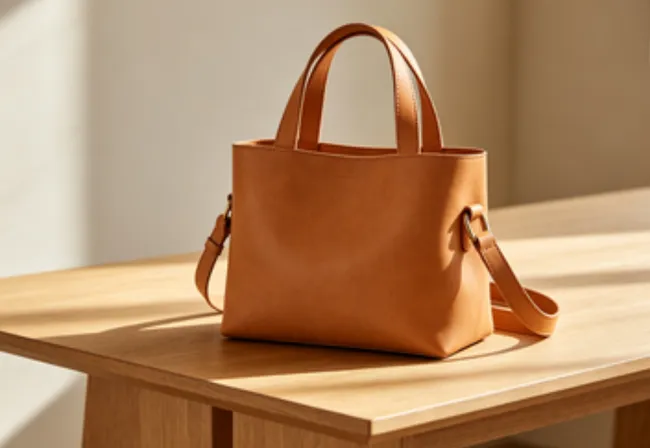
Yes, bio-leather is highly suitable for making bags, especially when your brand positioning emphasizes sustainable concepts, innovative materials, and unique aesthetics. However, it is not a perfect substitute for traditional leather; rather, it offers a new balance between environmental value and physical properties.
The Differences Between Bio Leather, Traditional Leather, and Synthetic Leather
| Comparison Dimension | Traditional Leather | Synthetic Leather (PU/PVC) | Bio Leather |
| Eco-friendliness | Low (high carbon, water use, chemical pollution) | Low-Medium (petroleum based, non-biodegradable) | High (renewable, low carbon, partly biodegradable) |
| Durability | Very high (10-20+ years) | Low-Medium (2-5 years, prone to cracking) | Medium (2-8 years, varies by material) |
| Water resistance | Poor (absorbs water, needs care) | Good (depends on coating) | Medium (splash resistant, some can be waterproof) |
| Feel & appearance | Warm, premium, develops patina | Can imitate leather, often plasticky | Unique (natural textures, matte, distinctive) |
| Customizability | High (dyeing, embossing, polishing) | High (many colors/patterns) | Medium (limited by raw material, but coating can be adjusted) |
| Cost | High | Low-Medium | Medium-High (smaller scale, higher raw material cost) |
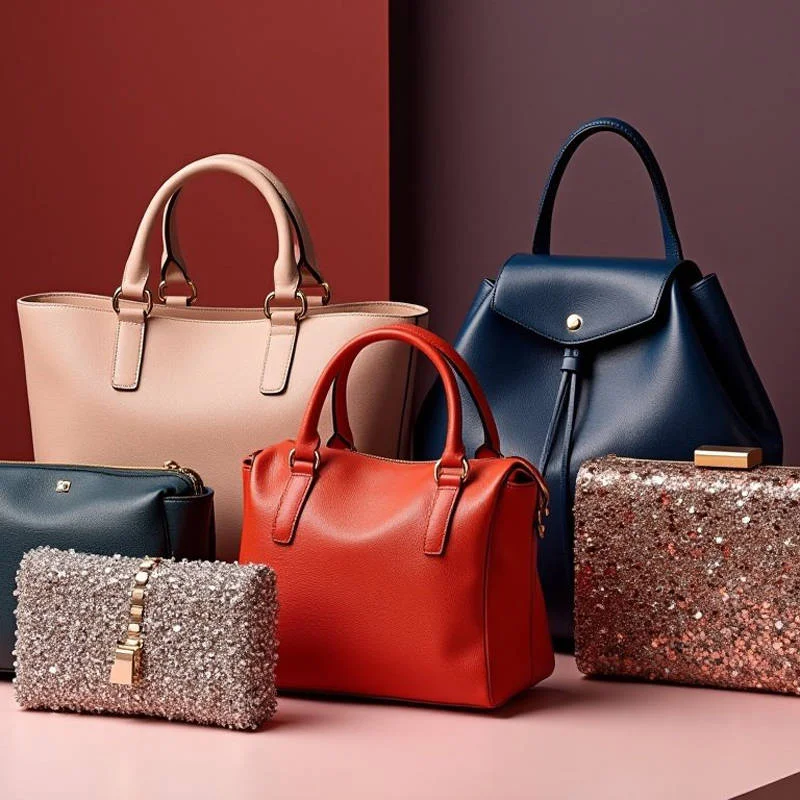
| Best bag types | All types | Fast fashion, budget bags, accessories | Light to medium bags: clutches, totes, backpacks, wallets |
Advantages of making bags with bio-leather
A Unique Environmental Story
Bio-leather is an excellent marketing material. You can convey to consumers the brand’s commitment to zero cruelty, circular economy, and reduced carbon footprint. For example, bags made from cactus leather, whose raw materials come from sustainably harvested cacti and continue to grow after harvesting, can do so.
Providing a Differentiated Aesthetic Experience
Each type of bio-leather has its unique natural texture. Pineapple leather has a similar fabric-like fiber texture, mycelium leather has a soft and delicate touch, and cork leather presents natural wood grain. These characteristics can make your bags visually and tactilely distinguishable from ordinary leather bags, attracting consumers who pursue individuality.
Satisfying Moderate Usage Scenarios
For daily commuting, going to school, shopping, and short trips, the durability of bio-leather is fully sufficient. For example, coconut leather is officially claimed to have a lifespan of 4-8 years, and cactus leather has passed tests and can last for 5-7 years. As long as they are not used in extreme environments or under heavy loads, they can handle the job.
Lightweight Advantage
Many bio-leathers (such as mycelium, apple leather) are lighter than the same thickness of animal leather, and the bags made from them are more comfortable to carry.
Compliance with Regulations and Market Entry Trends
Markets such as the EU are strengthening legislation on animal welfare and environmentally friendly materials. Preparing bio-leather products in advance can help brands gain an advantage in future market competition.
When Bio Leather Excels for Bags
| Strength | Why It Works |
| Sustainability story | Appeals to eco-conscious consumers; marketing advantage |
| Lightweight | Easier to carry than traditional leather; good for everyday bags |
| Unique aesthetic | Distinctive textures (cactus grain, pineapple fiber look) stand out |
| Cruelty-free | Essential for vegan brands and customers |
| Versatile | Can be embossed, colored, stitched like leather |
| Moldable (mycelium) | Can be grown into specific shapes, reducing waste |
Aspects to Be Weighed
Physical Performance Ceiling
Currently, the tear resistance, scratch resistance and long-term wear resistance of biological leather are generally lower than those of high-quality full-grain cowhide. If you plan to make large backpacks or travel bags that need to withstand heavy loads, frequent friction or extreme use, you need to carefully choose the material or compensate through structural design (such as reinforcing corners and using wear-resistant linings).
Waterproofing Depends on Coatings
Most biological leathers have a base of hydrophilic plant fibers or mycelium, which are not waterproof by themselves. Their waterproofing performance is entirely dependent on the surface coatings of PU, wax or bio-based materials. This means:
- The coating needs to be maintained after wear
- It is not suitable for scenarios that require complete submersion (such as diving bags)
- Daily use should avoid prolonged exposure to rain or immersion
Cost and Supply Stability
Compared to mature PU leather or ordinary cowhide, the production scale of biological leather is smaller and the price is higher (for example, the raw material price of Desserto cactus leather is approximately $30 – $50 per square meter). At the same time, the supply chain of some materials is still developing, and bulk purchases require confirmation of production capacity in advance.
Consumer Awareness Education
Some consumers may have doubts about the durability of “plant leather” or confuse “vegan leather” (which may be petroleum-based PU) with “biological leather”. Brands need to clearly convey the source, performance and maintenance methods of the material in product descriptions, labels and marketing to build trust.
When Bio Leather Struggles for Bags
| Weakness | Impact on Bags |
| Limited durability | Bags wear out faster, especially at stress points (straps, corners) |
| Poor water resistance | Risk of damage in rain; not ideal for unprotected daily use |
| Coating dependency | Surface treatments wear off, exposing vulnerable base material |
| Less repairable | Harder to condition or restore than animal leather |
| Flex fatigue | Repeated bending (flaps, handles) causes cracking |
| Load-bearing concerns | May stretch or tear under heavy weight |
Best Bag Types for Bio Leather
| Bag Type | Reason | Example Materials |
| Clutch / evening bag | Low frequency, light load – perfect to showcase unique texture. | Pineapple leather (strong texture), cork leather (natural wood grain) |
| Tote / shopping bag | Daily use, moderate durability requirements, emphasizes sustainability story. | Cactus leather (balanced durability), apple leather (lightweight) |
| Light backpack | For students or short commutes – bio leather’s lightweight and comfort shine. | Mycelium leather (soft), coconut leather (mold resistant) |
| Wallet / cardholder / phone case | Small leather goods – consumers willing to pay a premium for eco friendliness. | All bio leathers suitable |
| Limited edition / designer collaboration | Leverage scarcity and novelty of bio leather to enhance brand image. | Mushroom leather, microbial fermentation leather |
Real-World Success Stories
| Brand / Company | Material Used | Application |
| Tory Burch | Bio-Tex™ (64% bio-based) | Handbags (Ella Bio series) |
| Balenciaga / Hermès | Mycelium (Mushroom) | Luxury handbags, coats |
| NIO / BMW | Plant-based / Microfiber | Car interiors (seats, door panels) |
| Super Pi | Coffee/Apple/Orange waste | Supply chain for international luxury brands |
The Strategic Verdict for Your Tote Bag Business
| Use Case | Recommendation | Rationale |
| ✅ Everyday Fashion Totes | Excellent | Perfect for customers who value storytelling (e.g., “made from apples”) and a soft, natural aesthetic. |
| ✅ Lightweight Commuter Bags | Good | Suitable for carrying laptops and daily essentials, but reinforce stress points (straps, base). |
| ❌ Heavy-Duty/Work Bags | Poor | Lacks the abrasion resistance of full-grain leather or technical nylon. |
| ❌ Outdoor/All-Weather Bags | Avoid | Not truly waterproof; will degrade faster in harsh conditions. |
Practical Suggestions for Brand Owners
Start with Mixed Materials
In the early stage, it is not necessary to use 100% bio-based leather. You can try a combination of biobased leather and recycled polyester lining, or bio-based leather and traditional leather decoration to balance cost and performance.
Strictly Test Samples
Before placing an order, make sure to request the factory to provide material property test reports (such as abrasion resistance, tear resistance, peel strength), and make physical samples for simulated usage tests such as weight-bearing, bending, and water splashing.
Clearly Define Maintenance Guidelines
Write in the product label or accompanying card: “This bag is made of XX bio-based leather, with a natural texture. Please avoid prolonged exposure to rain, dry it promptly after getting wet, and use dedicated care agents regularly for maintenance.”
Choose Experienced Manufacturers
Look for factories like ours that have practical processing experience with various biobased leathers. We understand the cutting, sewing, and edge treatment characteristics of different materials, which can help you avoid cracking, blistering and other problems during production.
Pay attention to certifications: Using materials with certifications such as PETA vegan certification, GRS (Global Recycled Standard), and OEKO-TEX can help enhance brand trust.
Conclusion
Bio leather, as an innovative eco-friendly material, is gradually reshaping the landscape of the fashion industry such as bags and other related fields. It combines practicality and environmental friendliness. With PU or TPU coating, it can achieve waterproofing. It has a lightweight texture and stable shape, making it suitable for making various fashionable bags. It has good durability for daily use and can be used for 2 to 5 years with normal maintenance.
Bio leather is highly suitable for making bags, tote bags, lightweight backpacks, wallets, and other bags for moderate usage scenarios.
If you are running your own bag business and want to customize a batch of bags made of bio leather, then please feel free to contact us. We can discuss the design and manufacturing of bio leather bags in detail.