Fish leather is an innovative material made from fish skin through tanning processes, and it is an important representative in the field of sustainable fashion.
Fish leather has excellent toughness and wear resistance, and it is lighter in weight and has better breathability, which is superior to many leather materials.
Otherwise, Fish leather is highly suitable for making handbags, wallets, small cross-body bags, or as a distinctive patch or decoration for large bags. However, its cost is usually higher than that of ordinary leather, and it is suitable for manufacturing fashionable bags targeted at the mid-to-high-end market.
This article will explore the characteristics of fish leather and the advantages and disadvantages of manufacturing bags with it.
What Is Fish Leather?
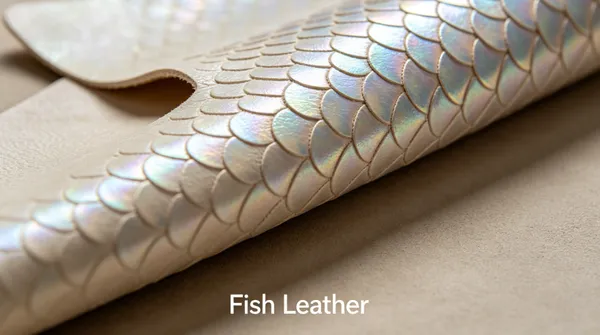
Fish leather is a durable, sustainable and versatile material. It is made by tanning the skins of various fish, typically from species such as salmon, tilapia or sturgeon. This material is transformed from what would otherwise be discarded as waste in the food industry into a valuable resource for the production of high-end products.
This leather can retain the texture and elasticity of the fish skin, making it a durable material with a unique appearance and feel.
Fish leather is generally more environmentally friendly than traditional animal leather because it utilizes by-products that might otherwise be wasted in the fishing industry. Additionally, fish leather has a unique texture that varies depending on the type of fish, making it highly favored in the production of luxury items such as wallets, handbags, shoes and even clothing.
The key Characteristics of Fish Leather
| Characteristic | Description |
| Unique Aesthetic | Each fish skin retains its natural scale pattern and texture, creating a distinctive, one-of-a-kind appearance that cannot be replicated by synthetic materials. Patterns vary dramatically by species (e.g., the large scales of salmon vs. the pebbled texture of stingray). |
| Exceptional Durability | Due to the cross-hatched structure of collagen fibers in fish skin, it is often significantly stronger and more tear-resistant than traditional cow or sheep leather of the same thickness. |
| Lightweight | Fish skin is naturally thinner and lighter than mammal hides, making it ideal for products where weight is a consideration, such as handbags and clothing. |
| Sustainability | Fish leather is primarily made from food industry byproducts—skins that would otherwise be thrown away. This “upcycling” reduces waste and environmental impact. Some companies even use skins from invasive species (like lionfish) to help restore ecological balance. |
| Breathability | Like other leathers, fish leather is breathable, which adds comfort when used in products like footwear or clothing. |
Common Types of Fish Leather
Different fish species produce leather with distinct textures and properties:
| Fish Type | Texture & Appearance | Typical Uses |
| Salmon | Fine, diamond-shaped scale pattern; soft and flexible. | Handbags, wallets, shoes, bookbinding. |
| Sturgeon | Large, bold scales; luxurious, exotic look. Often used as an alternative to crocodile or alligator. | High-end handbags, watch straps, belts. |
| Stingray | Hard, pebble-like beads on the surface; extremely abrasion-resistant and durable. | Wallets, watch straps, small accessories that undergo heavy wear. |
| Tilapia | Relatively uniform texture; widely available and affordable. | Handbags, footwear, small leather goods. |
| Pirarucu (Arapaima) | Very large, textured scales; incredibly strong and durable due to the fish’s massive size. | Boots, furniture upholstery, heavy-duty accessories. |
| Lionfish | Unique, bold patterns; produced from invasive species to support environmental conservation. | High-end sneakers, exotic fashion pieces. |
| Cod / Perch | Subtle, fine textures; versatile and durable. | Various leather goods, often blended with other materials. |
Advantages and Disadvantages of Fish Leather
Advantages of Fish Leather
- Unparalleled visual effect: The natural patterns of fish scales form a texture that cannot be replicated by artificial means.
- Excellent strength-to-weight ratio: It has higher strength than many traditional leathers, but is lighter in weight.
- Environmentally friendly: Made from recycled waste materials, it reduces landfill volume and supports the development of the circular economy.
- Ethically appealing: Avoids environmental and ethical issues related to livestock farming. The fish skin used is from fish that have been caught for consumption, so there is no situation where animals are raised solely for the purpose of obtaining fish skin.
- Wide range of applications: Can be used in various products, from exquisite jewelry to sturdy footwear.
- Sustainability: Reduces waste by reusing fish skins that would otherwise be discarded.
- Variety: Due to the diversity of fish species, it offers a wider range of textures and color options.
- Performance: Has better water resistance and lighter weight, making it more advantageous than cowhide in certain applications.
The Disadvantages of Fish Leather
- Not naturally waterproof: Although fish leather products that have undergone modern tanning and treatment can have a waterproof feature, untreated fish leather may still be damaged when exposed to water. Therefore, protective coatings and proper maintenance are necessary.
- Professional care: Soft dry cloths should be used for cleaning, and suitable leather care products should be used for maintenance. Do not soak or use irritating chemicals.
- Variability: As a natural product, each piece has its own unique mark, which can be either an advantage (i.e., uniqueness) or a disadvantage (i.e., inconsistency), depending on the application scenario.
- Higher cost: Due to the specialized processing techniques and the relatively small production scale, fish leather is usually more expensive than ordinary cowhide.
Fish Leather vs. Traditional Leather
| Feature | Fish Leather | Cow Leather |
| Source | Food industry byproduct | Animals raised primarily for hides/meat |
| Texture | Unique scale patterns | Uniform grain |
| Strength (weight-for-weight) | Higher | Standard |
| Weight | Lighter | Heavier |
| Sustainability | High (upcycled waste) | Variable (land use, methane) |
| Cost | Higher | Lower to moderate |
Fish Species
| Fish Species | Tensile Strength (N/mm²) | Tear Strength (N/mm or N) | Key Durability Notes |
| Nile Tilapia | ~13.5 | ~53.9 N/mm | Stronger than rabbit leather of greater thickness. |
| Atlantic Salmon | ~14.1 | 21.7 N | Soft and flexible, but good strength for its weight. |
| Nile Perch | ~21.6 | 132.2 N | Exhibits exceptionally high tear strength. |
| Paiche (Arapaima gigas) | Data varies with tanning method | Higher with vegetable tanning | As one of the largest freshwater fish, its leather is thick and robust. |
| Stingray | Not specified in tensile units | Superior cut & abrasion resistance | Known for extreme durability and hardness, used for high-wear items. |
How Is Fish Leather Made?
Step 1: Procurement and Collection
- Raw Materials: This process begins with the collection of fish skins, typically from species such as salmon, lake trout, cod, tilapia, or species belonging to the tilapia genus. These fish skins mainly come from the waste from the fishing industry and fish processing factories (for example, in Iceland, Norway, or Southeast Asia).
- Storage: After removing the fish skins, they are usually immediately salted or refrigerated to prevent spoilage during transportation to the tanning factory.
Step 2: Soaking and Cleaning
- Rehydration Treatment: Place the salted or dried fruit peels in water for soaking, so that they can regain moisture and remove excess salt, blood and dirt.
- Cleaning: Thoroughly clean it to ensure it is clean and spotless before further processing.
Step 3: Scaling (Optional but Common)
- Scaling Removal: For many species (such as salmon or bass), their scales are removed. This can be achieved through mechanical or chemical methods.
- Note: Some fish skins (such as those of certain types of sharks or rays) naturally have unique textures, where scales or tooth-like structures are part of the final appearance. However, for most common fish skins, the scales are removed to create a smooth or patterned surface.
- Deboning: Remove any remaining meat or fat on the inside of the skin using mechanical methods to ensure uniform thickness.
Step 4: Tanning
This is the crucial step in converting the original proteins (collagen) in the skin into stable leather (which does not decay).
Lime treatment/Deslime treatment: Lime can be used to treat the skin to open up the fiber structure, followed by deslime treatment to neutralize the pH.
Tanning agent: Immersing the fish skin in the tanning solution.
Plant tanning: Using natural tannins from tree bark (more environmentally friendly, stronger leather).
Chromium tanning: Using chromium salts (faster process, softer leather, more water-resistant).
Many modern fish leathers use eco-friendly non-chrome alternatives or aldehyde tanning to meet environmental standards.
Time: The time required for the tanning process varies from several hours to several days, depending on the method used.
Step 5: Dyeing and Gluing Treatment
- Dyeing: After the leather has undergone tanning, dyeing is carried out to achieve the desired color effect. The fish skin has excellent absorption properties for dyes, so after dyeing, it will present bright colors, highlighting its natural scale patterns.
- Gluing treatment: Adding oils and fats to the leather fibers makes the leather soft, elastic, and durable. Without this step, the leather would become stiff and brittle after drying.
Step 6: Drying and Conditioning
- Drying: Hang or lay the leather flat to allow it to dry. Be careful not to dry the leather too quickly, as this could cause cracking.
- Conditioning: After drying, you can condition the leather again to ensure it reaches its optimal softness.
Step 7: Completion
- Surface treatment: A protective coating or surface treatment layer may be applied to enhance durability, waterproof performance, or texture effect.
- Measurement and grading: The leather after completion will be measured to check its quality, and graded based on size, texture, and flaws.
Is Fish Leather Waterproof?
Yes. Fish leather is not naturally waterproof, but it can be made to have excellent waterproofing properties through modern techniques.
Natural Waterproofing Property
Fish leather, just like the skin of fish itself, inherently possesses certain waterproofing characteristics. The scales on the fish skin act as a barrier against water and moisture, especially for species such as salmon, sturgeon, or tilapia.
The collagen fibers in the skin, once subjected to tanning treatment, will retain their waterproof properties, preventing the leather from quickly absorbing moisture.
- Compact fiber structure: Fish skin has a unique collagen fiber structure, with its fibers being more compact and more closely interwoven than those of cowhide. This makes fish leather naturally more resistant to water penetration than many traditional leathers.
- Scales: The natural scale pattern (even if the scales are removed, the texture still exists) forms a relatively easy-draining surface. The scales on the fish skin act as a barrier against water and moisture, especially for species such as salmon, sturgeon, or tilapia.
- Comparison: When facing light rainfall or splashing water, fish leather usually performs better than untreated suede leather or porous plant-tanned cowhide. This is because the collagen fibers in the fish skin, once subjected to tanning treatment, will retain their waterproof properties, preventing the leather from quickly absorbing moisture.
Waterproof Treatment Technology
- Tanning process: During the tanning process, by using specific tanning agents and techniques, the waterproof performance of fish leather can be further enhanced. For example, using eco-friendly tanning methods such as chrome-free tanning not only helps reduce environmental pollution but also maintains the natural waterproof characteristics of fish leather.
- Coating treatment: Applying a layer of waterproof coating on the surface of fish leather can significantly improve its waterproof performance. This coating is usually composed of waterproof agents, resins, etc., and can form a dense waterproof film on the leather surface, effectively preventing water penetration.
- Nano technology: Utilizing nano technology, an ultra-hydrophobic coating can be formed on the surface of fish leather, making the leather have excellent waterproof performance. This coating not only has good waterproof effect but also does not affect the breathability and softness of the leather.
Modern Processing: How to Make It Waterproof?
| Treatment Method | Principle | Characteristics | Example |
| Traditional Chemical Coating | Using specialized waterproof tanning agents during the tanning process to create “water-repellent groups” between the fish skin fibers. | Good waterproofing effect, but may involve chemicals. | Patented technology uses ingredients like acrylic polyalkyl ester to produce waterproof salmon leather. |
| Eco-Friendly Bio-based Coating | Using food industry byproducts (such as epoxidized soybean oil and fatty acid trimers) to create a coating that makes the leather surface hydrophobic. | Green and environmentally friendly, no fluorine, silicon, or nanoparticles required, and does not alter the leather’s breathability, flexibility, or microstructure. | 2023 study in Green Chemistry journal: water contact angle >120°, meeting high hydrophobicity standards. |
Suggestions for Choosing Fish Leather
- If you are in pursuit of a purely natural craftsmanship: Some brands that adhere to traditional tanning methods (such as Felsie) may not use chemical coatings. Their products need to be kept dry and are not suitable for contact with water.
- If you need daily waterproofing: Choose fish leather products that have undergone modern waterproof treatment. When purchasing, you can confirm with the merchant whether they have undergone waterproof coating treatment.
- Daily maintenance: Even with waterproof treatment, it is recommended to use a dedicated waterproof spray regularly to enhance protection. After getting wet, promptly use a soft cloth to absorb the water and let it air dry naturally.
Is Fish Leather Durable?
Yes, the durability of fish leather is extremely good. In fact, scientific research and industry experts have confirmed that compared to traditional cowhide or sheepskin of the same thickness, fish leather is often much stronger and has better tear resistance.
Why Is Fish Leather so Durable?
Because fish leather has high strength. This extraordinary strength comes from the unique cross-grid-like collagen fiber structure in fish skin. Unlike the leather of mammals, the fibers of mammals are mostly arranged in one direction, while the fibers of fish skin are arranged in a complex overlapping “basket weave” pattern. This interwoven structure gives it extremely high tensile strength and the ability to resist tearing from multiple directions.
The Manifestation of Durability
- Physical properties are superior: After tanning, the strength and wear resistance of salmon leather significantly increase. Its firmness, tear resistance, and wrinkle resistance are all better than those of equivalent thickness of cow or sheep leather. For example, the tensile strength of salmon and trout skins can reach 90 Newtons, far exceeding that of cow leather (8 to 25 Newtons), and it is 25% lighter and 2-3 times thinner yet more durable.
- Special varieties stand out: Pearl fish leather, due to the formation of hard keratin particles by calcium deposition, is hailed as one of the most durable high-end leathers in the world. It has excellent flexibility and resistance to deformation, and even possesses fireproof and heat insulation functions.
- Structural advantages: The “scales” texture and “layered” horizontal weaving fiber structure of fish leather give it natural toughness and lightness, while maintaining waterproof and breathable properties, enabling it to maintain good condition in different climate conditions.
- Actual usage verification: Fish leather products such as shoes, gloves, and bags, due to their soft texture, long-lasting wear resistance, and long service life, are widely used in high-end fashion and daily products. Their durability has been widely recognized by the market over the long term.
Key Points of Durability:
- Tensile strength: Fish leather, especially that from species such as salmon, lake trout, wolffish, and sturgeon, has a high tensile strength. The fibers in fish skin are woven in an interlaced pattern (different from the parallel fibers in cowhide), which gives it the properties of resisting tearing and stretching. Some studies suggest that, by weight, it may be stronger than cowhide.
- Resistance to wear and tear: It can effectively resist wear and tear, making it suitable for shoes, bags, belts, and watch straps, etc.
- Flexibility: Despite its high strength, it remains soft and elastic, which makes it less prone to cracking over time.
- Waterproofness: Fish skin itself has some waterproof properties, but the finished fish leather products are usually treated to enhance their water resistance, thereby increasing durability.
- Sustainability factors: Although not related to physical durability, its durability, combined with the fact that it is often a by-product of the food industry (using fish skin that would otherwise be wasted), gives it a higher value proposition as a long-lasting and sustainable material.
Fish Leather Durability Summary
| Aspect | Performance | Comparison |
| Fiber strength | Tensile strength comparable to calfskin | ~60-80% of full-grain cowhide |
| Surface durability | Scale edges prone to lifting and wear | Significantly less abrasion-resistant than smooth leather |
| Lifespan (light use) | 5-10 years | Similar to top-grain leather |
| Lifespan (heavy use) | 3-5 years | Shorter than cowhide (10-20 years) |
| Water resistance | Moderate—natural oils help, but prolonged wetness damages | Better than suede, worse than treated cowhide |
Advantages and Limitations of Fish Leather
| Feature | Advantages (Why it’s durable) | Limitations (Why it’s not indestructible) |
| Strength | Extremely high tensile strength for its weight. Denser, cross-fiber structure makes it very resistant to tearing. | Very thin (typically 0.5-1.5mm). Lower absolute puncture and cut resistance compared to thick cowhide. Not for heavy-duty, high-abrasion applications. |
| Surface Durability | Natural scale pattern acts like microscopic armor, providing good abrasion and scuff resistance. | Thinness and scale edges can be prone to delamination or lifting if poorly tanned or subjected to sharp, catching forces. |
| Water Resistance | Inherently hydrophobic structure. Properly tanned (esp. chrome-tanned) and finished fish leather has excellent water and stain resistance. | Seams and edges are primary water entry points. Vegetable-tanned fish leather is not waterproof and can be damaged by water. |
| Flexibility & Aging | Highly flexible and resistant to cracking with repeated bending. Conforms well to shapes. | Can become brittle if excessively dried (e.g., in direct heat/sun). Requires occasional conditioning in dry climates. |
| Primary Use Case | Excellent durability for lightweight accessories: wallets, cardholders, watch straps, fashion bags, shoe uppers. | Not suitable for hard-use gear: hiking boots, work belts, tool bags, or items requiring high structural rigidity. |
| Dependency | Durability is excellent when professionally tanned (chrome or high-quality vegetable tan) and sourced from reputable suppliers. | Durability is heavily dependent on tannery expertise. Poor tanning leads to weak, stiff, or flaking leather. |
The Mechanical Properties of Different Fish Leather
| Fish Species | Tensile Strength (N/mm²) | Tear Strength (N/mm or N) | Key Durability Notes |
| Nile Tilapia | ~13.5 | ~53.9 N/mm | Stronger than rabbit leather of greater thickness. |
| Atlantic Salmon | ~14.1 | 21.7 N | Soft and flexible, but good strength for its weight. |
| Nile Perch | ~21.6 | 132.2 N | Exhibits exceptionally high tear strength. |
| Paiche (Arapaima gigas) | Data varies with tanning method | Higher with vegetable tanning | As one of the largest freshwater fish, its leather is thick and robust. |
Factors Affecting Durability
- Tanning process: Poor-quality tanning will make the leather brittle over time. High-quality vegetable tanning or chrome tanning can maintain the natural strength and elasticity of the leather.
- Processing steps: Protective coatings (such as clear varnish) can enhance durability, but excessive coating may reduce the leather’s breathability.
- Maintenance: Although leather is waterproof, prolonged exposure to strong chemicals or intense sunlight can cause the leather to fade or dry out. Regular maintenance with products specifically designed for exotic leather helps extend its lifespan.
Is Fish Leather Expensive?
Yes, fish leather is generally considered to be more expensive than ordinary cowhide leather, especially for high-quality varieties. The reason for its higher price is mainly due to the smaller production scale, different fish species, complex tanning process, and unique aesthetic value. Fish leather is often regarded as an upscale material, but compared to other rare leathers such as crocodile or python skins, the price of fish leather is usually more affordable.
Why Is Fish Leather so Expensive?
Although fish leatheris considered a “waste utilization” product, its high cost mainly stems from the following factors:
- Unique material properties: The fibers in fish leather are arranged in a cross-intersecting structure, making it several times stronger and tougher than the same thickness of cow or sheep skin (some sources claim up to 9 times stronger). At the same time, it is lighter, softer, and has a unique natural scale pattern.
- High processing difficulty: Fish leather contains a large amount of fat and protein. If not handled properly, it is prone to rotting or developing an unpleasant smell. The process of removing scales, dehydrating, and tanning is more complex than that of cow leather, requiring specialized techniques and more time to ensure the durability and softness of the leather.
- Complex craftsmanship: Fish leather is a by-product of the food industry. Although its source is sustainable, the collection, processing, and tanning process is more refined and time-consuming than that of traditional cow leather.
- Limited production: Compared to the vast livestock industry, the types of fish suitable for leather production are limited, and each sheet of fish skin is very small (usually only a few square decimeters). Splicing them into large sheets requires highly skilled craftsmanship, which increases labor costs.
- Unique aesthetic value: Fish leather has natural and irreplaceable scale patterns (such as diamond patterns, wave patterns), which make it a favorite material for high-end designers and luxury brands (such as Rick Owens, Prada, Nike limited editions, etc.).
- Environmental and sustainable premium: Fish leather transforms what would otherwise be discarded fish skin into a valuable resource. The production process is usually more environmentally friendly (using geothermal energy, plant tanning agents), aligning with the values of sustainable fashion, and this “green cost” is reflected in the price.
- Target market positioning: Fish leather is mainly targeted at middle-to-high-end designer brands and consumers who value uniqueness and environmental concepts. Its pricing strategy also aligns with this market positioning.
Summary of Why the Price Premium?
| Factor | Impact on Cost |
| Limited raw material supply | Only 10% of global fish skin waste utilized; seasonal, geographically constrained |
| Complex processing | Thin, heat-sensitive collagen requires specialized low-temperature tanning |
| Small batch production | No industrial-scale tanneries; artisan or semi-artisan operations |
| Certification costs | LWG, organic, traceability audits add overhead |
| Niche positioning | Marketed as sustainable exotic alternative, supporting premium pricing |
Fish Leather Price Reference
| Price Type | Specific Price (USD) | Notes / Source |
| Raw Material Price | Approx. $15.40 per square meter | Estimated price for greenfin filefish leather in a Chinese academic study. |
| $2.50 – $4.00 per skin | Price for tanned salmon and trout leather crusts from a Russian supplier. | |
| $12.00 per square foot (approx. $129 per square meter) | Price for salmon leather from Iceland’s顶级 supplier, Atlantic Leather, whose clients include luxury brands like Jimmy Choo and Dior. | |
| $24.99 per skin | Price for Icelandic salmon leather sold by Leatherbox in the US (exact dimensions not specified). | |
| Finished Product / Application Price | $4.00 – $25.00 | Approximate price range for fish leather accessories (like pendants) on wholesale platform DHgate. |
| $475 USD (approx.) | A fish-shaped leather bag charm from luxury brand Valextra, made of calfskin (converted from CAD $650). |
Fish Leather Price Positioning
Moderately expensive—cheaper than exotic leathers (crocodile, ostrich) but pricier than conventional cowhide and most synthetic alternatives.
| Comparison | Price Range | Fish Leather Position |
| Full-grain cowhide | $8–15/sq ft | Fish leather ~20–30% premium |
| Top-grain cowhide | $5–10/sq ft | Fish leather ~50–100% premium |
| Exotic leathers (crocodile, ostrich) | $50–200/sq ft | Fish leather ~70–80% cheaper |
| PU synthetic leather | $2–5/sq ft | Fish leather 3–5× more expensive |
| Mushroom leather | $15–25/sq ft | Comparable or slightly higher |
| Apple leather | $10–18/sq ft | Fish leather ~10–20% premium |
Product-Level Pricing
| Item | Typical Price | Comparable Leather Item |
| Fish leather card holder | $80–$150 | Cowhide: $40–$80 |
| Fish leather clutch | $200–$400 | Cowhide: $100–$200; Crocodile: $800–$2,000 |
| Fish leather shoes (uppers) | $300–$600 | Cowhide: $150–$300 |
| Fish leather jacket panels | $500–$1,000 | Cowhide: $300–$600 |
Is Fish Leather Sustainable?
Yes, fish leather is a highly sustainable material.
The reason why fish leather is considered sustainable is because it exhibits excellent characteristics in multiple aspects, including its environmental impact, resource utilization efficiency, and production process:
- Utilization of by-products: Fish leather is mainly made from the skins of fish that have been used for consumption. This means that the fish skins that would otherwise be discarded as waste are now reused as a valuable material. This reduces waste and effectively utilizes existing resources.
- Lower carbon footprint: Compared to traditional livestock leather (such as cowhide leather), fish leather typically has a lower carbon footprint. The production of livestock leather involves a large amount of emissions from animal farming, including methane and other greenhouse gases. In contrast, fish leather utilizes by-products from fishing, and its environmental impact on the ecosystem is smaller.
- Reduced land and water resource usage: Livestock farming requires a large amount of land and water for grazing and feed production. In contrast, fish leather is made from fish that have been caught or captured for consumption, and its production does not require additional land or water. This helps protect natural resources and reduces pressure on the ecosystem.
- Sustainable procurement: Many fish leather producers are committed to sustainable procurement practices. They use non-endangered fish species and ensure that their activities do not lead to overfishing or damage to marine ecosystems. Some producers even use the skins of invasive species, which helps control their populations and protects biodiversity.
- Environmental production processes: Innovation in the fish leather production sector has led to the development of more environmentally friendly tanning and processing methods. For example, some producers use plant-based tanning agents instead of toxic chemicals like chromium, as the latter can pollute water sources. These natural tanning agents are biodegradable and have a smaller environmental impact.
- Support for local economies: Fish leather production can provide economic opportunities for coastal communities and the fishing industry. By creating a market for fish leather, it adds value to the fishing process and supports the local way of life. This helps with the sustainable development of fishing communities and reduces their need for unsustainable practices.
- Durability and longevity: Fish leather is renowned for its strength and durability, often surpassing that of traditional livestock leather. This means that products made from fish leather is more durable, reducing the need for frequent replacements and ultimately minimizing waste generation.
Summary of Core Sustainability Advantages
| Sustainability Dimension | Specific Performance | Practical Examples & Data |
| Raw Material Source: Upcycling | Fish leather is primarily made from discarded fish skins from the food industry, which would otherwise be thrown away or turned into low-value feed. This not only reduces landfill and incineration but also avoids raising animals specifically for their hides. | In the Lake Victoria region of East Africa alone, the fish processing industry generates an estimated 150,000 tons of fish waste annually, which serves as a raw material source for fish leather. |
| Ecological Restoration: Controlling Invasive Species | Some fish leather products are made specifically from the skins of invasive fish species (such as lionfish, pufferfish, and bluestripe snapper). By creating commercial value for these harmful species, it incentivizes continuous fishing and helps protect native ecosystems. | The brand Inversa has removed over 50,000 invasive lionfish from the ocean; studies show that through commercial control, coral reef biomass can recover by 50%-70%. |
| Production Process: Eco-Innovation | The tanning process for fish leather is moving away from the highly polluting chrome tanning used in the traditional leather industry, adopting chrome-free, heavy metal-free, plant-based eco-friendly methods while significantly saving water and energy. | Aquaborne’s new tanning process requires only 6 steps, saving 80% of water and energy compared to traditional methods. Iceland’s Nordic Fish Leather uses 100% renewable energy and formic acid derived from CO₂. |
| Full Utilization & Zero Waste | Fish leather production follows the principle of “full utilization.” The fish meat after skinning can be used for food supply or animal feed, and the bones can be made into crafts or fertilizer, maximizing the value of resources. | Kenya’s Alisam Products uses fish bones to make jewelry and employs natural tanning agents extracted from plants like papaya and bananas. |
Weaknesses (Why It Is Not Inherently “Green”)
1. The Tanning Process May Still Cause Pollution
Like all leather products, fish leather also requires processing – but during the processing, some chemical substances may be used. If the processing is not done properly, these chemical substances may cause damage to the environment.
2. Dependent on the Fishing Method
If these fish come from unsustainable fishing industries or harmful aquaculture, then their benefits to the environment will be reduced.
3. Limited Standards and Transparency
Currently, there is no unified certification system for fish leather products, so statements about their sustainability may vary.
4. It Is Still Based on Animals
It is not a purely vegetarian product, and the moral issues associated with using animal products still exist.
Sustainability Variations and Concerns
| Factor | Best Practice | Risk/Concern |
| Fish species source | Food industry waste (salmon, cod, tilapia) | Endangered species use; illegal, unreported, unregulated (IUU) fishing |
| Tanning method | Vegetable tanning, chrome-free alternatives | Chrome tanning (80% of production) creates heavy metal waste if untreated |
| Supply chain transparency | Blockchain traceability, certified fisheries | Opaque sourcing; mislabeling; “ocean leather” marketing without verification |
| Processing location | Local to fishing regions (Iceland, Norway, Brazil) | Long-distance shipping of raw materials; carbon footprint increase |
| Worker conditions | Fair trade, SA 8000, living wages | Informal sector exploitation in unregulated operations |
Certification and Verification
| Certification | Relevance | Availability for Fish Leather |
| LWG (Leather Working Group) | Environmental auditing of tanneries | Available; Icelandic, Norwegian producers achieving Gold/Silver |
| MSC (Marine Stewardship Council) | Sustainable fisheries certification | Critical for source verification; limited adoption |
| OEKO-TEX Standard 100 | Harmful substance testing | Available for finished products |
| PETA-Approved Vegan | No animal ingredients | Not applicable (contains animal protein) |
| Fair Trade | Social equity, fair wages | Emerging in community-based operations |
| Blockchain traceability | End-to-end supply chain transparency | Pioneered by select brands; industry standard aspirational |
Fish Leather vs. Traditional Leather: A Sustainability Comparison
| Comparison Dimension | Fish Leather | Traditional Cowhide Leather |
| Raw Material | Discarded byproduct of the food industry, no additional land occupation | Farmed or grazed specifically for leather, occupying vast amounts of land and water resources |
| Carbon Emissions | Significantly lower than traditional livestock farming; some production uses renewable energy | Livestock farming contributes approximately 14.5% of global greenhouse gas emissions |
| Chemical Usage | Innovative processes use chrome-free, plant-based tanning agents; biodegradable | Traditional chrome tanning uses chromium salts, generating toxic wastewater that harms the environment and health |
| Ecological Impact | Can actively restore ecosystems by utilizing invasive species | Livestock farming is one of the main drivers of deforestation, water resource consumption, and biodiversity loss |
Comparison with Synthetic Substitutes (Plastic Products)
- Biodegradability: Unlike PVC or PU leather based on plastic, which takes hundreds of years to decompose, natural fish skin is biodegradable (provided that it is tanned with natural ingredients or low-impact chemicals).
- Durability: Fish leather is surprisingly strong. Due to the unique cross-fiber structure of fish scales/skin, its strength often exceeds that of the same thickness of cowhide, meaning the product can be used for a longer time.
Comparative Sustainability Ranking
| Material | Overall Sustainability | Key Differentiator |
| Fish leather (best practice) | ⭐⭐⭐⭐★ Excellent | Zero additional harvest; food waste upcycling |
| Mushroom leather | ⭐⭐⭐⭐★ Excellent | Fully bio-based; no animal; performance limitations |
| Apple leather | ⭐⭐⭐⭐☆ Very Good | Agricultural waste; 30–50% synthetic binder |
| Pineapple leather (Piñatex) | ⭐⭐⭐⭐☆ Very Good | Established supply chain; bio-PU binder |
| Recycled PET | ⭐⭐⭐☆☆ Moderate | Diverts plastic; microplastic shedding; non-biodegradable |
| Cowhide (LWG Gold) | ⭐⭐⭐☆☆ Moderate | Durable/long-lasting; high livestock environmental cost |
| PU/PVC synthetic | ⭐⭐☆☆☆ Poor | Petroleum-based; non-biodegradable; short lifespan |
When Fish Leather Is Most Sustainable
| Scenario | Sustainability Validation |
| Certified waste stream | Salmon, cod from MSC-certified fisheries or aquaculture operations |
| Local processing | Tannery within 500km of fishing source; minimal transport |
| Vegetable or chrome-free tanning | Eliminates heavy metal pollution risk |
| Transparent supply chain | Blockchain or third-party verified from boat to bag |
| Long product lifespan | Careful use 5–10 years; repairable; biodegradable end-of-life |
| Community benefit | Fair wages, cooperative ownership, indigenous knowledge preservation |
Is Fish Leather Good for Making Bags?
Yes, fish leather is highly suitable for making bags, especially for emerging brands that prioritize sustainability, unique aesthetics, and high durability.
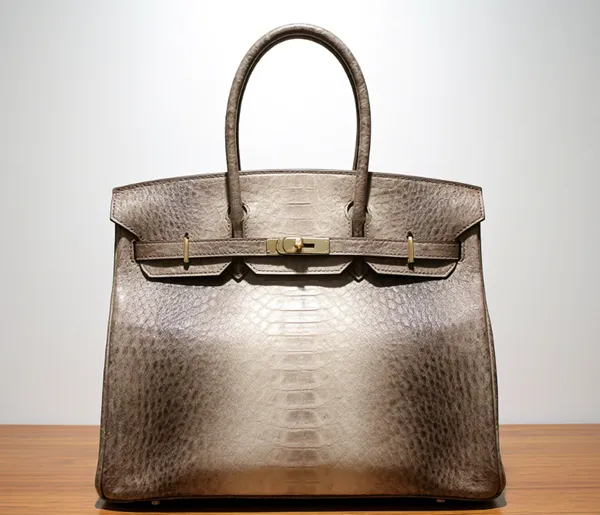
In fact, due to its unique performance advantages, environmental friendliness, and distinctive aesthetic appeal, fish leather is becoming a popular choice for high-end fashion and sustainable brands. Luxury brands such as Prada, Dior, and Louis Vuitton have already incorporated fish leather into their designs.
Although it was once regarded as a niche and novel material, advancements in tanning and processing techniques have made it a viable and highly performant alternative, capable of replacing traditional cowhide and rare leathers.
Advantages of Making Bags with Fish Leather
- Unique Aesthetic Value: Fish leather retains the natural shape of fish scales, presenting unique scale textures and three-dimensionality. This natural pattern gives the made leather products high recognizability and fashion appeal, meeting consumers’ pursuit of individuality and uniqueness.
- Lightness and Softness: Compared to other animal leather, fish leather is usually thinner and softer. This makes fish leather products more comfortable to wear and allows for more lightweight and flexible product designs, such as small handbags and cross-body bags.
- Durability and Strength: Despite being thin, fish leather, after tanning, still has excellent strength and wear resistance. Its horizontal slanting fiber structure gives fish leather firmness, anti-tear resistance, and wrinkle resistance, with a quality superior to that of equivalent thickness of cow or sheep leather. This means that fish leather bags can withstand daily wear and tear, maintaining long-lasting beauty and practicality.
- Natural Waterproof, Oil-Resistant, and Stain-Resistant Properties: Fish leather has significant “three-proof” effects, maintaining good condition in different weather conditions. This characteristic makes fish leather bags easier to clean and maintain, extending their lifespan.
- Environmentally Friendly and Sustainable: Fish leather is a by-product of the fishing industry, converting it into leather can reduce waste and improve resource utilization. Compared to animal leather that requires specialized breeding, fish leather is to some extent more sustainable, meeting modern consumers’ pursuit of environmental protection and sustainable fashion.
- Breathability and comfort: The natural structure of fish leather makes it have good breathability, suitable for making leather products that require protection and ventilation. This characteristic makes fish leather bags more comfortable to wear, reducing heat and discomfort.
Summary of the Advantages of Using Fish Leather for Bags
| Advantage Dimension | Specific Performance | Value for Bags |
| Exceptional Durability | Tear strength can reach 90 Newtons, which is 9 times that of traditional cowhide of the same thickness. This comes from its unique cross hatched fiber structure. | The resulting bags are very strong, tear resistant, and wrinkle resistant, capable of lasting for many years. Some users have worn fish leather sneakers for 8 years with careful use. |
| Natural Water Resistance | Fish skin naturally contains oils, giving it some inherent water resistance, with a water contact angle close to 80 degrees. After special coating treatments, the contact angle can reach 130 degrees while maintaining breathability. | Fish leather bags are more water resistant than ordinary leather bags and are easy to clean. Daily care usually just requires wiping with a damp cloth. |
| Lightweight and Flexible | Fish leather retains the natural lightness and flexibility of fish skin. | The resulting bags have an excellent feel, are lighter than traditional leather bags, and are comfortable to use. |
| Eco Friendly and Sustainable | Made from discarded fish skins from the food industry, this is a classic case of upcycling. It avoids killing animals solely for their skins and reduces environmental burden. | Provides your brand and consumers with an ethical and environmentally friendly option, aligning with current sustainable fashion trends. |
| Unique Aesthetic Value | Each piece of fish leather retains its natural scale pattern, creating a one of a kind three dimensional texture with a natural sheen. | Bags made from fish leather are highly distinctive and artistic, allowing the owner to stand out and express their personal style. |
Practical Considerations for Making Bags
| Consideration Point | Explanation | Implication for Bag Design |
| Size and Panel Construction | Fish skins are relatively small. For example, salmon skin is typically about 60-65 cm long and only 10-14 cm at its widest point. | Not ideal for large totes requiring large, uninterrupted pieces of leather. However, it is excellent for bags with paneled designs, or for items like wallets, clutches, and as decorative accents (e.g., flaps, pockets) on larger bags. |
| Initial Odor | Freshly made fish leather may have a faint “marine” or “earthy” scent when smelled up close. This is not a fishy smell and will dissipate over time. | This is a normal material characteristic and does not affect use. It can be proactively mentioned to consumers to avoid any concerns. |
| Cost and Production Capacity | The processing of fish skin involves complex steps (up to nearly a hundred), and some brands insist on handmade production, leading to limited output. | Fish leather bags are typically positioned in the mid-to-high-end market and are more expensive than ordinary leather. For brands seeking large scale, low cost production, supply chain stability needs careful evaluation. |
Market Application: From High-End Customization to Daily Design
Preferred by Luxury Brands, Limited Editions Have High Collectible Value
Pearl fish leather, due to its scarcity and unique texture, is used by top brands to make limited edition handbags. For example:
- Chanel once launched a collaboration item between J12 Baguette and pearl fish leather. Only 50 pieces were produced globally, and they were sold out within 48 hours.
- Hermès, Louis Vuitton and other brands use pearl fish leather in their high-end collections to enhance their brand premium value.
According to a report by Bain Consulting, the average annual compound growth rate of rare leather products is 9.3%, and the fish leather category has made significant contributions.
The Creative Carriers of Designer Brands and Independent Workshops
The unique texture of fish leather provides designers with a vast creative space. For example:
- Modern Art Creation: Fish leather is used to make sculptures and installation art, showcasing the integration of nature and fashion;
- Daily Bag Design: From tote bags to cross-body bags, the lightness and durability of fish leather make it suitable for various scenarios, while through techniques such as dyeing and patchwork, individualized needs can be met.
Combination of Cultural Inheritance and Innovation
The fish leather-making technique of the Hezhe ethnic group in China has been listed as a national intangible cultural heritage. Modern techniques have developed derivative products such as fish leather paintings and leather goods while preserving traditional patterns. These products have been commercialized through the inheritance base of intangible cultural heritage. For instance, the study tour base established in Tongjiang City has trained over 2,000 students, replicated traditional fish leather clothing, and participated in international exhibitions.
Common Types Used in Bags
- Salmon Leather: The most common type. It has a distinct scale pattern, is soft in texture and extremely durable. It is often used for handbags and wallets.
- Stingray (Shagreen): Extremely durable with a unique texture (like small beads). It is one of the most resilient leathers available and is often used for decorative or very durable bags.
- Perch/Wolfish: Usually used as an exotic alternative with different scale patterns.
Bag-Specific Suitability Assessment
| Bag Type | Suitability | Design Considerations |
| Evening clutches, minaudières | ⭐⭐⭐⭐⭐ Excellent | Small scale, light use, decorative emphasis; unique texture as statement |
| Card holders, wallets, small pouches | ⭐⭐⭐⭐⭐ Excellent | Minimal stress, full utilization of small skin; no拼接 needed |
| Crossbody bags (light use) | ⭐⭐⭐⭐☆ Very Good | Moderate size, rotation use; avoid daily heavy load |
| Tote bags (decorative panels) | ⭐⭐⭐⭐☆ Very Good | Fish leather as accent on canvas or leather base; not primary structure |
| Structured handbags | ⭐⭐⭐☆☆ Moderate | Possible but requires careful engineering; scale拼接 visible |
| Daily commuter bags | ⭐⭐☆☆☆ Limited | Abrasion at corners, handles; lifespan 2–4 years vs. 10+ for leather |
| Travel/duffel bags | ⭐⭐☆☆☆ Limited | Size requires extensive拼接; stress points vulnerable |
| Backpacks | ⭐☆☆☆☆ Poor | High friction, load-bearing straps; inappropriate material choice |
Consideration Factors and Challenges Cost
Currently, due to the smaller production scale and the special tanning process, the price per square foot of fish leather may be higher than that of standard cowhide. However, it is usually cheaper than genuine exotic leather (such as crocodile leather or python leather). As demand grows and production scales expand (especially in regions like China and Iceland), costs are expected to decrease.
Supply Stability and Size
Fish leather is smaller than cowhide. Making large bags may require gluing together multiple pieces of fish leather, which requires skilled craftsmanship to ensure a natural and smooth pattern.
Supply may vary seasonally and may also depend on the yield of the fishing industry. However, major tanning factories are working hard to stabilize the supply chain.
Sensitivity to Water (Traditional and Modern)
Historically, untreated fish leather was relatively sensitive to water. However, modern tanning and processing techniques (including waterproof coatings) have significantly alleviated this issue. Currently, most high-quality fish leather on the market has been treated and has waterproof and durable properties, suitable for daily use.
Odor
A common misconception is that people think this type of fish leather product has a fishy smell. In fact, properly tanned fish leather products have no odor; they have an odor similar to that of high-quality traditional leather. If there is any unpleasant smell, it indicates that there is a problem with the processing.
Conclusion
Fish leather is an innovative material that combines functionality and aesthetics. It has unique textures and colors and can be used for shoes, bags, small leather accessories, and even furniture decoration. In most cases, fish leather can be regarded as a more sustainable option than traditional cow leather and petrochemical-based artificial leather.
The rise of fish leather is driven by multiple factors. The spread of environmental awareness and the increasing demand for sustainable products from consumers; fish leather, as a renewable resource, aligns with the trend of circular economy. Moreover, it is more durable than cowhide, providing new possibilities for design innovation.
If you are running your own bag brand and want to customize a bulk of fish leather bag products, please feel free to contact us to discuss the specific details.