Customized backpack is the process of combining personalized needs, functional design and exquisite craftsmanship to transform an ordinary backpack into a personalized one that is exclusive to the individual.
If you are a consumer and want to customize one or a few backpacks that belong to you, there are certainly relevant bag manufacturers or workshops that are willing to take your order.
If you are running a bag brand, and want to customize a large number of backpacks that belong to your brand, then you will need a large bag factory to take your order. Small workshops cannot keep up with the production efficiency and thus cannot handle it.
This post will explore the steps of custom backpacks from a bag manufacturer.
What Is Customize?
“Customize” (in British English, it is “customise”) is a verb, meaning the process of designing, producing, or modifying something based on the needs or preferences of an individual or a company’s brand positioning, rather than choosing from pre-made standardized options. Essentially, it is transforming a standard, mass-produced item into one with personal or brand-specific characteristics and uniqueness.
What Kinds of Content Can Be Customized?
The scope of customization can range from simply adding content to a complete overhaul of the product. Common elements that people usually customize include:
- Appearance: size, color, pattern, logo, graphic or print.
- Materials: you can choose the fabric (for example, you can choose from nylon, canvas or leather), as well as accessories (such as zippers, buckles) and linings.
- Features: you can add or remove pockets, adjust the length of the shoulder straps, or personalize with initials or names.
- Function: modify the item to make it more suitable for a specific purpose, such as adding padding compartments for electronic devices.
Customization in the Bag World
For bags, personalized customization can transform the product from a “ready-made item” into a personalized accessory that belongs exclusively to the individual. This transformation can be achieved at various levels:
| Level of Customization | Description | Examples |
| Personalization | Adding a personal touch to an existing product. This is the most common and accessible form. | – Monogramming: Stitching initials onto a leather patch. – Hot Stamping: Embossing a name or date into leather. – Adding Charms/Pins: Decorating a bag with accessories. |
| Made-to-Order | Choosing from a set menu of options to create a unique combination. The brand then makes it for you. | – Longchamp My Pliage: Selecting the color of the bag, handles, and adding up to 3 letters. – Brands that let you pick the fabric, strap type, and hardware finish. |
| Bespoke / Fully Custom | Working directly with a craftsperson (like a leather artisan) to design a bag from scratch. Every detail is decided by you. | – Commissioning a leatherworker to create a bag of your own design, with specific dimensions, pockets, leather type, and stitching. |
The Differences from Related Concepts:
Customization vs Personalization:
Customization usually refers to physical or structural modifications (such as making a handbag), while personalization focuses more on surface adjustments (such as engraving a name on a backpack).
Customization vs Standard Production:
Customization is “one-to-one” to meet the individualized or brand requirements, while standard production is “one-to-many” to provide uniform products, such as white-label bags or products of major brands.
The Value of Personal Customization
Customization ensures that your bag is not just an ordinary accessory, but a tool that perfectly suits your life. It eliminates compromise – no more compromising on bags that are too small, lack the necessary compartments, or don’t match your style. Moreover, custom-made bags usually have a higher emotional value because they reflect your personal story and needs.
Why Customize?
Uniqueness: Ensure that the bag you purchase is not exactly the same as those owned by others.
- Personal significance: Establish a stronger connection with the item (for example, a gift with the initials of the recipient).
- Perfect fit: Enable you to precisely customize the item according to your actual needs and personal style preferences.
In short:Customize = personalize = make it yours.
What Is Backpack?
A backpack is a bag with or without a frame, worn on the back of a person and fixed by two straps that cross over the shoulders. Its design aims to distribute the weight evenly across the body, thus having good ergonomic characteristics and being convenient for carrying heavy or bulky items.
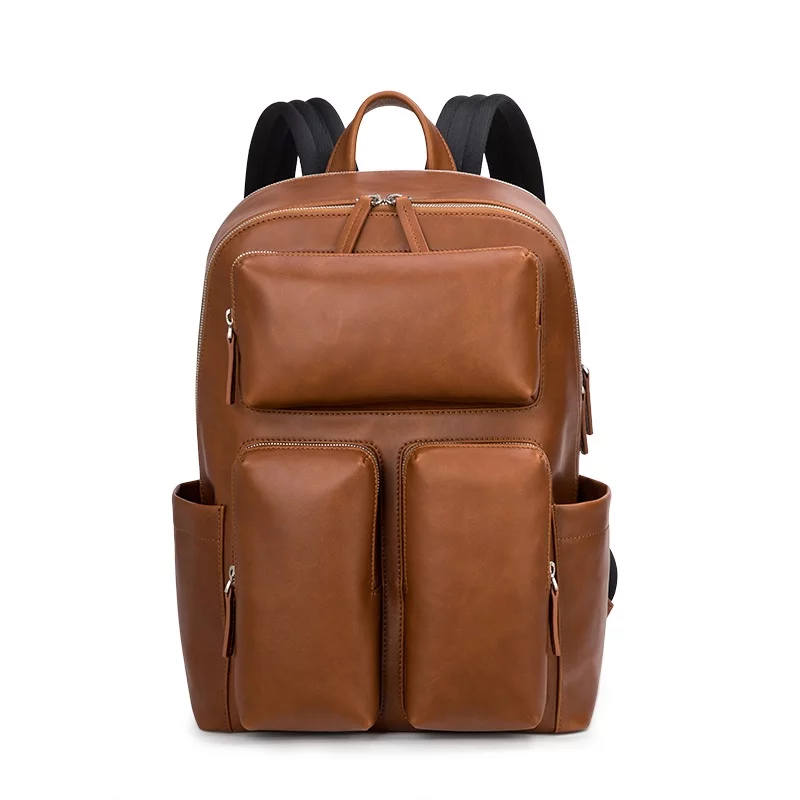
Essentially, a backpack is a carrying method that does not require manual operation. It utilizes the strength of the back and shoulders to carry the load. Unlike handbags that bear the entire weight with one hand, backpacks offer better balance, flexibility, and weight distribution. They come in various types, ranging from simple rope-belt bags to highly technical multi-compartment backpacks with advanced suspension systems.
Key Features of a Backpack:
- Double shoulder strap design: Its core feature. Usually, padding is added to enhance comfort, and it usually also has an adjustable function.
- Back panel: The side facing the user’s back. It may have padding, ventilation devices or frame design.
- Main compartment: The main storage area.
- Various closure methods: Usually a zipper is used, but it can also be straps, buckles, flaps (such as the ones on the backpack), or roll-style closures.
The Uses of a Backpack
Backpacks are commonly used to carry books, clothes, equipment or personal items, and are used by students, hikers, travelers, as well as those who commute to work or school on a daily basis.
Common Types of Backpacks
School backpack
Usually has bright colors and is very durable. It has separate compartments for textbooks, stationery, and sometimes even lunch boxes, designed for students of different ages.
Travel backpack
Has a large capacity and a multi-layered design, suitable for short or long trips. It can also be used as carry-on luggage on airplanes.
Mountaineering/Hiking backpack
Sturdy and spacious, with breathable properties, equipped with a waist belt, straps, and multiple external attachment points, designed for carrying camping equipment, food, and water, suitable for outdoor adventures.
Daily commuting backpack
Lightweight, convenient to carry, simple in style, usually has compartments for placing laptops, notebooks, and personal items, suitable for daily work use.
Military backpack
Has a modular design, mostly used for outdoor or military purposes.
The Advantages of a Backpack
- Ergonomics: It utilizes the strong muscles in the back and shoulders to reduce the burden on one side of the body and distribute the pressure evenly on both shoulders.
- Ease of use: Whether we are cycling, hiking, or navigating through crowded cities, it enables us to move freely.
- Capacity: It can easily carry items that are larger and heavier than most single-shoulder bags (handbags, briefcases).
- Versatility: It is suitable for various activities, from school studies to outdoor hiking.
- Improvement of sitting posture: A properly sized backpack with the right contents can encourage people to maintain an upright sitting posture.
The Disadvantages of Backpacks
- Convenience: Compared to shoulder bags or handbags, accessing items in a backpack is slower and less convenient. When we need to put something into the backpack or take something out of it, we usually have to take the backpack off our back first.
- Absorbing sweat: The back panel of the backpack can tightly adsorb heat onto your body, causing sweating, especially in summer.
- Style limitations: Although there are fashionable backpacks available, they may not fit perfectly with the dress code requirements of various formal or professional occasions as well as briefcases or leather handbags do.
- Risk of theft: Backpacks are often placed on our backs, and the items inside are out of our line of sight, making them more vulnerable to theft in crowded areas.
What Is a Bag Factory?
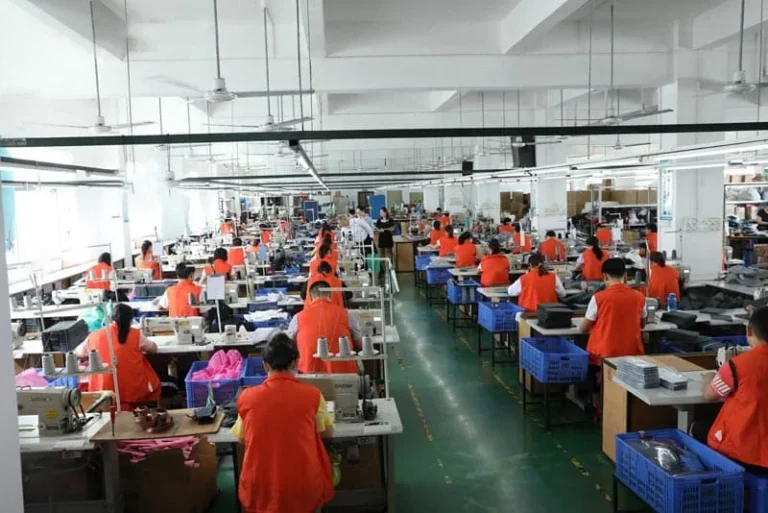
A bag factory is a factory that specializes in producing various types of bags. The types of bags produced range from handbags, backpacks to suitcases and travel accessories, including design, cutting, assembly, and the final processing procedures. The bag factory serves as a bridge that transforms the brand’s concepts or designs into the physical products that are ultimately delivered to consumers.
The Core Functions of a Bag Factory
A bag factory is not merely a place equipped with sewing machines; it is a production center that integrates various professional skills and processes:
- Production and Assembly: This is the core function. The bag factory uses raw materials (such as nylon, PU/PVC, canvas, leather) for cutting, sewing, and assembly, thereby transforming them into finished bag products.
- Sample Making: Before large-scale production, the bag factory will create samples (prototypes) based on the customer’s design. This allows the customer to directly interact with, feel, and test the bag, enabling adjustments to details such as patterns, materials, or construction before making a large-scale order.
- Material Procurement: Many bag factories have extensive procurement channels, enabling them to obtain high-quality materials, hardware (such as zippers), and components. They can provide optimal material suggestions for specific designs and budgets to the brand.
- Quality Control: Reliable factories have strict quality control processes at every stage to ensure that each bag meets the specified standards in every detail.
- Custom Leather Products: Leather product factories are places for custom production of various leather products. They can manufacture bag products specifically for a brand, integrating the brand’s logo, design, and selected materials into them (providing OEM/brand licensing services).
Types of Bag Factories
Not all bag factories are the same. They specialize in different types of production:
| Factory Type | Description | Typical Clients | Example |
| OEM Factory (Original Equipment Manufacturer) | Makes bags based on the brand’s exact designs and specifications. The brand owns the design; the factory just produces it. | Most fashion brands, from startups to established labels. | A brand sends its design to an OEM factory in China or Vietnam for production. |
| ODM Factory (Original Design Manufacturer) | The factory has its own in-house designs. Brands can choose from existing styles and simply add their logo (private label). | Brands looking for quick, affordable products without investing in design. | A brand picks a backpack design from a factory’s catalog and asks for it in their colors. |
| CMT Factory (Cut-Make-Trim) | A simpler service where the brand provides all materials, and the factory only cuts, sews, and finishes. | Brands that source their own specialized materials. | A brand buys its own leather and hardware and sends it to a CMT factory for assembly. |
| High-End / Luxury Atelier | Small-scale, artisan-focused workshops that handcraft bags with meticulous attention to detail. | Luxury brands (like Hermès, Longchamp’s premium lines). | Bags made by skilled artisans, often with hand-stitching and top-tier materials. |
Where Are the Bag Factories Located?
- China: The largest producer globally (mainly concentrated in Guangdong and Fujian provinces), known for its large-scale production and diversity.
- Vietnam, Cambodia, Bangladesh: Important production bases for mid-range and sustainable products.
- Italy, France, Spain: Manufacturing centers for global luxury leather goods.
- The United States, Mexico, Portugal: Smaller-scale, high-quality or distinctive leather goods manufacturing locations.
What Is the Significance for Brands That Need Custom Bags?
Understanding the situation of the custom bag factories can help you make decisions:
- Quality and Price: A “quality” factory does not merely mean cheap labor. It also means having skilled workers who can handle fine materials like suede without causing wear and tear, and using machines that do not leave unsightly stitches.
- “Minimum Order Quantity” Barrier: Factories do not produce individual bags. They have minimum order quantities (usually 100 to 1,000 pieces for each style/color). That’s why you cannot directly customize and order a pure suede backpack from the factory; you need to do it through a brand that has placed a large order or find a studio that produces in small batches.
- Material Procurement: Large factories usually have a direct relationship with tanning factories (such as those that produce suede). They purchase leather by the square foot, which is why the quality and source of the leather are important specifications for the factory.
What Is Customize Backpack?
Customized backpacks mean that the backpacks are produced according to the brand positioning and brand requirements or the customer’s requests. If it is a personal need for customized backpacks, it is usually a small batch. If it is a customized backpack for a brand, it is a large batch. This involves the selection of design plans, materials and hardware, as well as sample production and final determination of the product before proceeding with large-scale manufacturing.
Why Choose a Custom Backpack?
- Uniqueness: Possessing a one-of-a-kind design that showcases your personality or brand identity, allowing you to stand out.
- Practicality: Customizing the backpack according to your specific needs, whether for school, work, travel or hobbies.
- Quality control: Selecting high-quality materials and craftsmanship to ensure long-lasting use.
- Emotional value: Custom backpacks can carry emotional significance, such as favorite quotes, artworks or memories.
Levels of Backpack Customization
| Level | Description | Examples | Who It’s For |
| Personalization | Adding personal touches to an existing, standard backpack. This is the most accessible form. | – Monogramming: Stitching your initials onto a leather patch. – Embroidery: Adding a name, date, or small design. – Pins & Patches: Decorating with enamel pins or fabric patches. – Keychains/Charms: Attaching accessories to zippers or straps. | Individuals wanting to make their off-the-shelf backpack feel unique. |
| Made-to-Order (Modular) | Choosing from a set menu of options offered by a brand to create a unique combination. The backpack is then made specifically for you. | – Selecting the main material (e.g., canvas vs. leather). – Choosing colors for the body, straps, and lining. – Picking hardware finishes (silver vs. gold buckles). – Adding custom text (like Longchamp’s “My Pliage” service). | Individuals or brands wanting a personalized product without starting from scratch. |
| Bespoke / Fully Custom | Working directly with a designer or craftsperson (like a bag factory or artisan) to design a backpack from the ground up. Every detail is decided by you. | – Designing the pattern and shape from scratch. – Specifying exact dimensions for specific gear (e.g., a custom laptop compartment). – Choosing every material (outer fabric, lining, zippers, buckles, webbing). – Selecting stitching type and color. – Adding unique features (hidden pockets, special straps). | Individuals with very specific needs (e.g., photographers, travelers) or those seeking a one-of-a-kind luxury item. Brands creating their first samples. |
What Can Be Customized on a Backpack?
| Backpack Component | Customization Options | Why It Matters |
| Main Body Material | Choose from nylon, polyester, canvas, leather, Dyneema, Kevlar, or eco-friendly options like recycled polyester. | Determines the backpack’s durability, weight, weather resistance, and aesthetic. |
| Color | Select colors for the main body, accent panels, straps, and lining. | Creates a unique look and can match personal style or brand identity. |
| Size & Dimensions | Adjust the height, width, and depth to fit specific needs (e.g., fitting a particular laptop, camera gear, or airline carry-on restrictions). | Ensures the backpack perfectly fits its intended purpose. |
| Compartment & Pocket Layout | Design the internal organization: laptop sleeve, tablet pocket, mesh pockets, zippered compartments, pen holders, key clips. | Maximizes functionality and organization for your specific gear. |
| Straps & Harness System | Choose strap width, padding thickness, sternum strap, hip belt, load lifters. | Affects comfort and weight distribution, especially for heavy loads. |
| Closure Type | Select between zippers (standard, waterproof), roll-top, drawstring, flap with buckles, or a combination. | Impacts accessibility, security, and weather resistance. |
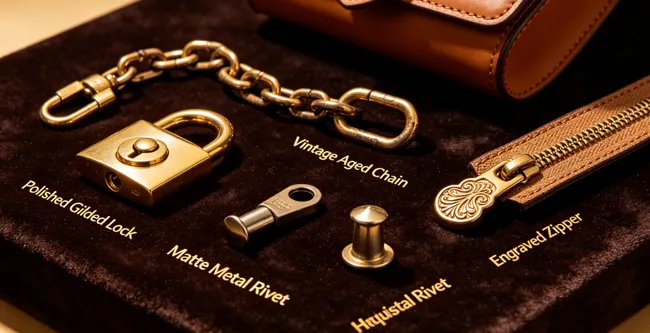
| Hardware | Choose the type (plastic, metal) and finish (matte black, shiny silver, antique brass) of buckles, zippers, sliders, and D-rings. | Affects the backpack’s feel, durability, and overall look. |
| Lining Material & Color | Select the fabric and color for the interior lining. | Adds a personal touch and can improve organization (e.g., bright lining makes items easier to find). |
| Padding | Add or adjust padding in the back panel, shoulder straps, and laptop compartment. | Enhances comfort and protection for you and your gear. |
| Special Features | Add features like a water bottle pocket, hidden security pocket, key leash, luggage pass-through, reflective elements for safety, or attachment points for gear. | Tailors the backpack to your specific activities and needs. |
| Branding / Personal Marks | Add logos, monograms, names, or custom labels through embroidery, screen printing, or hot stamping. | Essential for brands; adds a personal touch for individuals. |
The Significance of Customizing Bags at Bag Manufacturers for a Bag Brand
For a bag brand, customizing bags at bag manufacturers is a very core business model in the modern fashion industry. It is not merely about “ordering and buying”, but rather a deep strategic partnership.
From “Taking Existing Stocks” to “Being Yourself”: Achieving Brand Differentiation
This is the most fundamental meaning. If a brand merely selects ready-made packages from factories and attaches its own logo, the market will be filled with homogeneous products, and it is prone to getting caught in a price war.
Customization enables the brand to integrate its design concepts and brand DNA into the product. From the pattern, material, hardware components to the color of the sewing line, every detail is defined by the brand, highlighting the brand value.
Result: The final bag is unique, with an exclusive style of the brand, capable of attracting a specific consumer group, and establishing brand recognition.
Cost Control and Profit Maximization
By collaborating with bag factories to customize backpacks, the brand can estimate the manufacturing cost based on the expected sales volume and the consumption capacity of the target customers. For instance, it can choose to adjust the inner lining material and optimize the hardware process while maintaining quality, thereby keeping the cost within the most reasonable range.
Result: It can not only ensure that the product quality is not compromised, but also maximize the profit margin, making the brand more competitive in the market.
Quality Control and Supply Chain Assurance
A mature and reputable bag factory (especially one like Longchamp, or a large factory that manufactures for luxury bag brands), usually has a well-established production system and quality control standards.
Choosing a brand and collaborating with a specific factory for customized production means that a QC (quality inspection team) can be stationed at the factory. This allows for controlling raw materials from the source (such as inspecting leather defects and nylon density), supervising the production line, and ensuring that each batch of bags meets the brand’s high standards.
Result: Stable quality is the cornerstone for a brand to win the trust of consumers.
Adapting Flexibly to the Market and Conducting Trial-and-error Innovation
Customized cooperation models usually allow brands to make quick adjustments based on market feedback. If a certain color becomes extremely popular, they can quickly place additional customized orders with the factory; if a new material (such as eco-friendly recycled fabric) receives good market response, they can promptly embark on customized development.
Result: This agility enables brands to keep up with the trend, even lead the trend, rather than merely selling their inventory passively.
Avoiding Risks and Focusing on Core Areas
Establishing a factory requires a huge investment in funds, laborers and time, and the management is extremely challenging. For most brands (especially start-up brands or design-driven brands), entrusting the production process to a professional custom factory is the key to light-asset operation.
Result: Brands can focus all their efforts on core areas such as design and research and development, brand marketing and sales channels, while leaving the complex production and supply chain management to professional partners.
Standardized Products VS Customized Products
| Dimension | Standardized Products (Branding customization) | Customized Products (Personalized customization) |
| Design Decisions | Brand-led, consumers choose ready-made | Consumer participation, co-design or specified details |
| Production Scale | Large batch, economies of scale | Small batch or single piece, flexible production |
| Delivery Cycle | Immediate or short-term | Days to months |
| Price | Low (amortized costs) | High (labor and design premium) |
| Emotional Value | Functional satisfaction | Identity expression + emotional connection |
| Scarcity | Universally available | Unique or limited edition |
Things to Consider when Customizing a Backpack
- Cost: Customized a backpack is usually 20% to 150% more expensive than buying it directly.
- Return policy: Customized backpacks are usually non-refundable or non-exchangeable.
- Delivery time: Production and shipping may take 2 to 6 weeks.
- Durability: Ensure that customized elements (such as printed patterns) do not affect the waterproof performance or fabric strength.
How to Customize Backpack from a Bag Manufacturer?
Customizing a backpack is far more than just choosing a color or adding a name. It is more like a journey of “creating a unique companion” – from the inside out, creating an entirely one-of-a-kind backpack based on your lifestyle, usage scenarios and aesthetic preferences.
For business owners who have their own bag brand, customizing a backpack means placing an order with the bag factory based on their brand positioning to manufacture a large number of backpacks.
The Levels of the Custom Backpacks
| Customization Level | Core Goal | Main Methods | Suitable For |
| Functional Customization | Make the backpack more “useful,” perfectly matching your usage scenarios. | Optimizing internal structure, adding external attachment points, modifying the harness system. | Commuters, outdoor enthusiasts, photographers, and others with specific gear needs. |
| Aesthetic Personalization | Make the backpack more “attractive,” becoming an extension of your personality. | Adding embroidery, hot stamping, decorative patches, changing accessories. | Those pursue unique style and wanting to express themselves. |
| Creating from Zero | Build a unique backpack that is completely loyal to your imagination. | Designing and pattern-making yourself, selecting all materials, hand-sewing. | DIY enthusiasts, designers pursue the ultimate perfection. |
Steps to customize a backpack
Clarify Your Needs and Style Preferences
Consider the purpose of the backpack, such as for school, travel, sports or work.
Decide on the style that suits your personality, such as bold, minimalist, artistic or practical style.
Choose the Right Backpack
Select a backpack that meets your basic needs, including size, shape and structure.
Make sure the material of the backpack is suitable for customization (such as canvas, nylon or polyester fiber).
Choose Personalized Methods
- Fabric paints: Use fabric paints to directly draw unique patterns, styles or artworks on the backpack. Plan your design beforehand and use templates or masking tape to achieve clear lines.
- Patches: Sew or iron on patches that reflect your interests, hobbies or personality. You can choose from pre-made patches or make your own.
- Embroidery: Add personal touches to your backpack with embroidery. It can be your name, initials or meaningful symbols. You can do it by hand or use a sewing machine with embroidery function.
- Buttons and fasteners: Decorate your backpack with enamel buttons and fasteners. These are easy to install and remove, making it convenient to change your appearance. Permanent marking: Use oil-based permanent markers to draw directly on the fabric. This method is simple and easy to use, and it allows for free creative expression.
- Stickers: Cut out shapes or letters from the fabric and then sew them onto the backpack to create a textured and three-dimensional effect.
Plan Your Design
First, draw your design on paper to visually present the final effect.
Consider the placement of each element to ensure a balanced and aesthetically pleasing result.
If using multiple colors or materials, plan the way they will be combined.
Prepare Your Work Area
Find a clean and flat surface for operation.
Cover the surface with protective materials, such as old cloth or plastic sheeting, to prevent damage to your work area.
Prepare all the necessary tools and materials before starting.
Start Customizing
- For fabric paint: Apply the paint evenly, layer by layer to avoid cracking. Allow each layer to dry before adding more.
- For patches: Place the patches and use needles and thread or follow the manufacturer’s instructions to use hot-melt patches for sewing.
- For embroidery: If embroidering by hand, use an embroidery frame to keep the fabric taut. Proceed carefully according to the design and use the appropriate stitch.
- For buttons and zippers: Simply fix them in the desired position on the backpack.
- For permanent marker pens: Draw slowly and steadily, maintaining uniform pressure to draw straight lines.
- For collage decorations: Sew around the edges of each piece of fabric and fix it on the backpack.
Complete the Detail Processing
Once the main elements are in place, step back and review your design.
Add any necessary additional details or adjustments to enhance the overall appearance.
Consider adding practical elements such as keychains, pendants, or car hooks to combine beauty and functionality.
Drying and Shaping (If Applicable)
If using fabric paints or marker pens, let the backpack completely dry. This may take several hours or an entire night.
To increase durability, you may need to use a low-temperature iron to heat the fabric paints, and place a protective cloth between the iron and the painted surface.
Care for Your Custom Backpack
Follow the specific care instructions for the materials and methods you used.
Generally, it is best to hand wash or clean the custom backpack locally to protect the design.
Avoid using strong chemicals or rough scrubbing to prevent damage to the custom elements.
Professional Steps for Customizing Backpacks at the Bag Manufacturer
Step 1: Clearly Define the Customization Requirements
Firstly, you need to clearly define the core requirements of your brand to avoid ambiguous communication with the manufacturer:
- Usage scenarios: Determine whether your brand’s backpack is for commuting, hiking, travel or business activities, so as to determine the functional design (for example, hiking requires rainproof fabric and a backpack pole holder; commuting requires a laptop compartment).
- Personalized elements: Choose the printing method for the identification or pattern:
- Screen printing: Low cost, suitable for simple text/identifications.
- Embroidery: High quality, suitable for small patterns or brand identifications.
- Heat transfer printing: Suitable for colorful, complex designs (but not as durable as embroidery).
- Material selection: Choose materials based on the scenario:
- Nylon: Lightweight and water-resistant, perfect for daily commuting or travel.
- Canvas: Durable and thick, suitable for casual or retro styles.
- Leather: High-quality texture, suitable for business or high-end gifts (but with high maintenance costs).
Step 2: Select a Personalized Method
Choose the appropriate method based on your design resources and budget:
- Choose sample customization: If you don’t have a design drawing, you can select from the manufacturer’s existing sample library (usually over 1,000 styles), modify the color, material, or add logos. This method is cost-effective and fast (takes 7 to 10 days).
- Provide design drawings: If you have a complete design (including size charts, material specifications, and structural details), the manufacturer can produce based on your drawings. Professional design skills are required, and it takes 15 to 20 days.
- From existing samples customization: Send the existing backpack samples to the manufacturer for 1:1 replication or minor modifications. Suitable for those who have physical references but no drawings.
Step 3: Confirm the Samples and Carry Out Large-Scale Production
This is crucial for ensuring product quality:
Confirm the first batch of samples: After the manufacturer produces the first batch of samples, please check the following details:
- Whether the size meets your requirements (for example, whether the laptop compartment can accommodate your device).
- Whether the hardware (zippers, fasteners) operates smoothly.
- Whether the printing/stitching positions and effects meet expectations.
Approve the mass production samples: Before commencing mass production, the manufacturer will produce a mass production sample using a large amount of materials. Confirm its accuracy to avoid batch quality issues.
Track the production progress: Keep in communication with the manufacturer, understand the production situation, and, if possible, request to provide photos of the production process to ensure compliance with requirements.
Step 4: Inspection and After-sales Service
Final Inspection: Upon receiving the goods, conduct a random check:
- Is the quantity of the products in line with the order?
- Are there any sewing defects (loose threads, uneven seams)?
- Are the personalized elements produced correctly?
After-sales Service: Confirm the manufacturer’s after-sales policy in advance, such as returns/refunds for quality issues or repairs for hardware damage.
Backpack Customization Budget Reference Table
| Customization Type | Price Range Per Unit | Minimum Order Quantity | Key Cost Drivers | Scenario Recommendation |
| Logo Only Customization | $5 – $25 | 10 pieces | Logo size, printing method (silk screen < heat transfer < embroidery) | Corporate gifts, team uniforms, small batch promotions |
| Material & Structure Customization | $30 – $80 | 50 – 100 pieces | Material grade (nylon < canvas < leather), compartment design complexity | Branded product lines, functional backpacks (hiking/business) |
| Full Personalization | $90 – $200+ | 20 – 50 pieces | One-off mold opening cost, exclusive design fees, personalized pattern printing | High-end gifts, limited edition collections, custom fan merchandise |
| Vintage/Retro Customization | $150 – $300+ | 5 – 10 pieces | Restoring classic craftsmanship, sourcing old-fashioned materials | Brand heritage projects, collector’s items, vintage brand collaborations |
Key Elements of Custom Backpacks
Style Design
- Overall Appearance: Consider the size, shape, and suspension system of the backpack, ensuring it is suitable for the usage scenarios (commuting, traveling, studying).
- Style Positioning: Casual style, minimalist style, artistic style, etc. Choose the style that suits your personal temperament.
- Function Layout: Design internal and external compartments, the number and location of pockets to improve storage efficiency.
Material Selection
- Nylon Fabric: Lightweight and durable, suitable for outdoor activities, with good waterproofing performance.
- Polyester Fabric: Anti-wrinkle and non-stretchable, with strong elasticity recovery ability, suitable for business casual bags.
- Canvas Material: Strong and durable, low in price, suitable for casual-style backpacks.
- Leather Material: High-end texture, good breathability, but higher in price, suitable for high-end customization.
- Special Fabrics: Such as HDPE Gridstop (wear-resistant and tear-resistant) and XPAC (waterproof and breathable) are suitable for tactical bags.
Personalized Elements
- Embroidered Logo: Unique hand-embroidered design, adding an artistic touch and warmth.
- Patchwork Design: Combination of different materials, colors and textures of fabrics, enhancing the sense of depth.
- Personalized Mark: Adding names, anniversaries or exclusive patterns to capture memories.
- Worn-out Technique: Through special washing treatment, presenting a retro charm.
Where Can You Custom Backpacks?
If you want to customize a batch of unique backpacks for your brand or team, but don’t know where to find a bag manufacturer or factory? Finding the right and reliable partner is the key to determining whether your custom backpacks can have both high quality and high cost-effectiveness.
We are an experienced luggage customization manufacturer located in Baiyun District, Guangzhou, China. We deeply understand every need and concern of our customers, and provide precise strategies for each brand to ensure high quality while enhancing the craftsmanship.
Why Choose Our Factory for Direct Customization?
Strong Production Capacity to Bring Your Ideas to Life
- Full-category customization, rich experience: We have extensive experience in the research and production of various backpacks. Whether you need a fashionable commuter laptop bag, a large-capacity travel backpack, or a functional outdoor sports bag, we have mature solutions.
- Advanced equipment, guaranteed production capacity: Our factory is equipped with modern intelligent production lines, from fabric cutting to finished product assembly, every process is precise and efficient. The strong production capacity ensures that we can handle from small-batch trial orders of several hundred pieces to large-scale orders of tens of thousands of pieces with ease.
- Strict quality control, consistent quality: Our factory implements a quality control system throughout the process, conducting rigorous tests on thread strength, zipper durability, load-bearing areas, etc., to ensure that every backpack delivered to you is of high quality.
Professional Customization Capabilities to Realize Every Idea
From concept to sample, full support: Whether you bring hand-drawn sketches, reference images, or detailed design drafts, our professional design and prototyping team can transform them into feasible technical solutions and precise samples. Standard samples can be completed in as little as a few days, allowing you to quickly verify market feedback.
Deep customization, without missing any details:
- Rich Material Library: From wear-resistant ballistic nylon, retro canvas, lightweight waterproof Dyneema to high-end full-grain leather, we offer a vast selection of fabrics and accessories, and can recommend the best solution based on your needs.
- Design as You Wish: You can freely design the main compartments, notebook storage, multi-functional pockets, water bottle net bag, etc. of the interior structure to make the backpack perfectly match the usage scenarios.
- Perfect Brand Identification: We offer various Logo processing methods such as embroidery, hot stamping, screen printing, and metal logo plates to ensure that your brand image is presented in a refined manner.
- Embrace Trends and Innovative Design: We keep up with market trends and can integrate advanced technologies and concepts such as eco-friendly recycled fabrics, intelligent charging modules, waterproof and tear-resistant features into your product design, making your backpack more competitive in the market.
One-Stop Service, Saving You Time and Effort
- Flexible Supply, Friendly for Small Orders: We understand the pain points of start-up brands and boutique studios. We support low minimum orders (such as 100 pieces per style), allowing you to easily test the market and reduce inventory risks.
- Cost Transparency, High Value for Money: Thanks to our factory’s integrated supply chain and efficient production management, we can offer you highly competitive prices, helping you maximize profits while maintaining the same quality.
- Full Process Follow-up, Communication Without Worries: From demand confirmation, sample modification, bulk production to final packaging and logistics, we will have dedicated personnel communicate with you one-on-one, regularly reporting progress, allowing you to fully monitor the order situation.
Who Is Our Bag Factory Suitable For?
Schools: It is necessary to provide students with a uniform backpack.
Startup Brand Managers: Need small-batch, high-quality, and unique design supplies.
Corporate Purchasing/Marketing Departments: Need high-quality business bags, event commemorative bags, or employee welfare bags with the company logo that are custom-made.
Outdoor/Sports Clubs: Need highly functional and durable professional equipment bags.
E-commerce sellers/live-streaming sellers: Need stable supply and quick order turnover for best-selling backpacks.
Conclusion
The entire process of customizing backpacks at the factory usually begins with your idea or sketch. Our professional bag factory will transform it into a precise sample, and we will send the product to you. After you confirm that the sample is correct, we will proceed with mass production. Our bag factory can support custom orders ranging from small batches of 100 pieces to large orders of several hundred thousand pieces, meeting the needs of different customers for custom backpacks.
If you are running your own backpack business and want to customize a series of your own backpacks, please feel free to contact us to customize your backpacks.