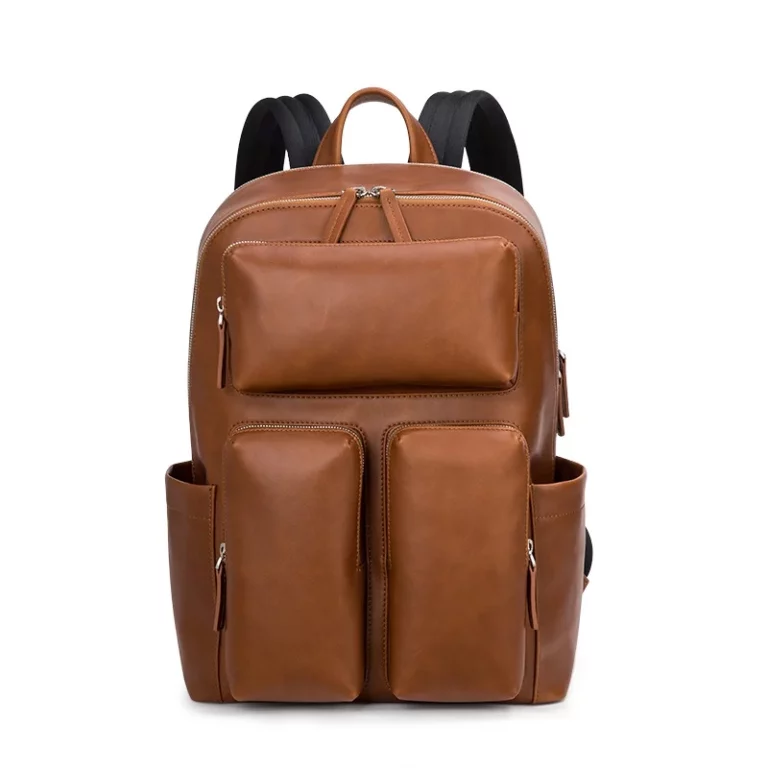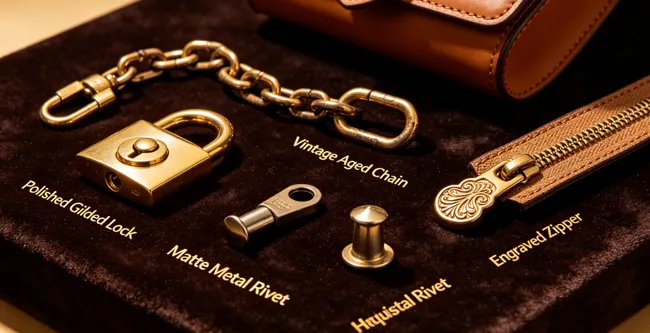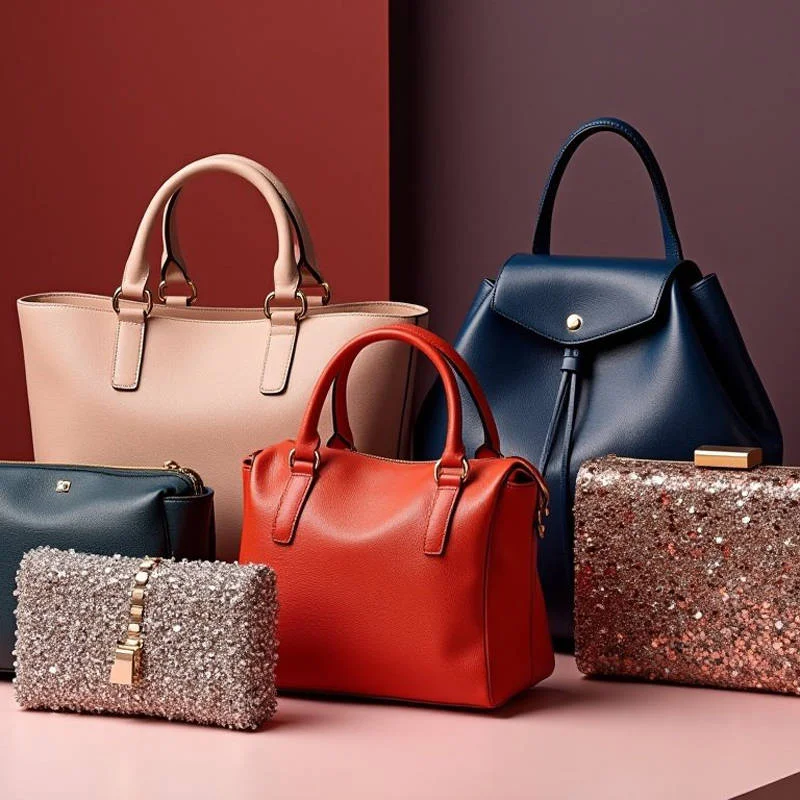
Many people would like to buy tote bag, and carry it almost everyday. So this market is very large. The global market size of tote bags is expected to reach approximately 4 billion US dollars by 2032, with a compound annual growth rate of about 4.6%. From this, it can be seen that starting a tote bag business is profitable and is also a good entry point into the fashion and accessories industry.
Starting a business in tote bags and establishing a tote bag brand can be an exciting and potentially profitable entrepreneurial project, but it requires careful planning and a deep understanding of the fashion bags market.
To know that doing the tote bag business is not an easy thing. It needs to start by getting familiar with the products, analyzing the market, determining the bag positioning, and searching for bag manufacturers, and then proceed step by step.
This post will explore whether the tote bag business is profitable and how to start a tote bag business.
What Is Tote Bag?
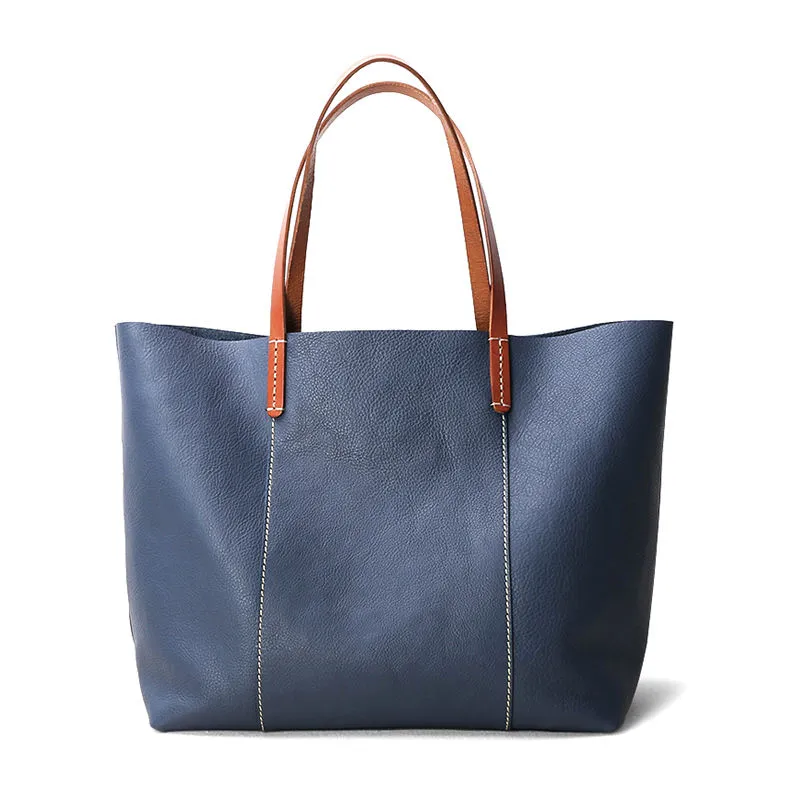
A tote bag is a simple, medium-sized to large-sized bag, usually without clasps, with two parallel handles, featuring a large capacity and durability. It is used to carry various items. The characteristics of a tote bag also include its simple open shape and sturdy construction, designed specifically for daily carrying, shopping, traveling or general purposes.
Key Features of a Tote Bag
- Shape and structure: Usually rectangular or horizontally elongated in shape, with a flat bottom to ensure stability.
- Internal spaciousness: Enough to accommodate daily necessities, groceries, books or beach supplies. It may have pockets or compartments for storing small items such as keys, mobile phones or wallets.
- Open design: Most tote bags do not have zippers or clasps, making them easy to access. However, some modern styles now come with sealing devices to enhance security.
- Two handles: Strong and parallel handles, made of fabric, leather or rope, for both hand-held use or shoulder-borne carrying.
- Durable materials: Usually made of canvas, nylon, jute, leather or recycled fabric to ensure long-lasting durability and resistance to wear and tear.
Summary of the Key Characteristics of Tote Bag
| Feature | Description |
| Shape | Typically rectangular or square with a wide, open top (often without a zipper closure, though modern versions may have one). |
| Handles | Two sturdy handles running parallel to each other, designed for hand-carrying or shoulder wear. |
| Capacity | Known for being capacious. They are designed to hold significant volume, such as A4 files, laptops, groceries, or beach gear. |
| Material | Originally canvas or heavy cloth, but now found in leather, nylon, suede, and even luxury exotic skins. |
Common Uses of Tote Bags:
- Shopping: A reusable alternative to disposable plastic or paper bags.
- Daily carry models: Suitable for work, school or casual outings.
- Beach or picnic: Lightweight and spacious, capable of holding towels, snacks and sunscreen.
- Promotional items: Brands often print their logos on handbags as giveaways.
Popular Types & Uses
| Type | Description | Best For |
| Classic Canvas Tote | The original. Sturdy, simple, and often blank or printed. | Grocery shopping, beach trips, casual errands. |
| Work/Office Tote | Structured, often with a laptop sleeve and internal organization. | Professionals carrying laptops, files, and lunch. |
| Market Tote | Large, durable, and often foldable. | Grocery shopping, farmers markets. |
| Fashion Tote | Made from premium materials (leather, silk) with designer branding. | Style-conscious users, events, or as a statement piece. |
| Promotional Tote | Printed with a company logo or event name. | Corporate giveaways, trade shows, or fundraising. |
Common Materials for Tote Bags
- Canvas: The classic choice. Durable, washable, and suitable for printing.
- Cotton/Jute: An eco-friendly material, often used in grocery bags or market bags.
- Nylon/Polyester: Lightweight, waterproof, and easy to clean.
- Leather/Vegan Leather: Used for high-end fashion tote bags and work bags.
The Reasons for the Popularity of Tote Bags
- Environmentally friendly: Reusable tote bags directly replace disposable plastic bags, reducing plastic waste and thus becoming a must-have for environmentally-conscious consumers.
- Multi-functional: Suitable for various activities, they can serve as fitness bags, diaper bags, work bags or shopping bags.
- Customizable: Offering a variety of colors, patterns and materials, their wide surface is perfect for printing logos, artworks or slogans, making them a favorite of brands and artists.
- Durability: High-quality canvas or leather handbags can last for many years even with frequent use.
What Is a Tote Bag Business?
The tote bag business is a form of commercial activity, with its core lying in the design, manufacturing, brand promotion, and sales of tote bags to consumers, retailers, other enterprises or stores. It can also provide customized brand products for enterprises or events.
This is a business with low barriers and strong scalability, integrating elements such as practicality, fashion, sustainability, and brand promotion.
The scale of this tote bag business can range from a small personal sideline (for example, selling handcrafted or patterned tote bags on e-commerce platforms) to a complete brand that can produce custom-made tote bags for wholesale customers, enterprise customers, or direct-to-consumer retail customers.
The tote bag business is a diversified industry, covering various aspects from mass-market production to high-end luxury fashion and sustainable “recycling” business.
Why Start a Tote Bag Business?
- Low barrier to entry: You can start operating with very little investment, such as a sewing machine and some fabric. You can conduct business through “pre-print customization” or small batch purchasing.
- Growing demand: Consumers’ preference for reusable and environmentally friendly alternatives to plastic bags is increasing. Tote bags have a wide range of uses, such as being used as work bags or as fashionable accessories. The global market for reusable tote bags is steadily growing.
- Multifunctionality: Tote bags are suitable for various market segments – fashion, eco-lifestyle, corporate gift giving, travel, etc.
- Customizability: It is easy to add brand logos, patterns or text, making it ideal for promotional activities.
- Scalability: It is easy to start on a small scale and gradually expand to large-scale production, wholesale business, etc.
The Main Components of the Tote Bag Business
1. Design
- Create unique prints, logos or artworks
- Keep up with trends (minimalist style, eco-friendly style, aesthetic style, etc.)
- Sometimes collaborate with artists
2. Production
- Make the bags by hand (handcrafted)
- Outsource production to bag manufacturers (mass production)
- Select materials such as leather, canvas, cotton or recycled fabrics
3. Brand Promotion
- Shape a unique style or convey clear messages
- Many tote bag brands focus on aspects such as sustainability or lifestyle positioning
4. Sales
- Online stores (such as Amazon or Shopify websites)
- Social media platforms (such as Facebook, Instagram or TikTok)
- Local markets or retail stores
Core Elements of a Tote Bag Business
| Element | Description |
| Product | Tote bags made from various materials (cotton canvas, jute, nylon, recycled PET, leather, etc.) in different sizes, colors, and designs. |
| Target customers | Eco‑conscious shoppers, commuters, students, corporate gift buyers, event organizers, boutiques, or promotional product distributors. |
| Business models | Print‑on‑demand, wholesale sourcing (private label), OEM/ODM custom manufacturing, or a mix of these. |
| Revenue streams | Direct online sales, wholesale orders, corporate bulk orders, subscriptions, or retail partnerships. |
| Key operations | Product design, sourcing / manufacturing, branding, inventory management, marketing, order fulfillment, customer service. |
Simple Enterprise Model Analysis
On-demand Printing (POD) model
- No inventory; each order is printed and shipped by a third party.
- Most suitable for testing designs with extremely low risks.
Wholesale/Own Brand
- Purchase a large quantity of white label tote bags and add your own brand logo.
- Requires pre-investment in inventory, but can bring higher profit margins.
OEM/ODM Custom Production
- Design your own unique tote bags from scratch (including materials, size, pockets, etc.).
- The minimum order quantity is higher, and the initial cost is also higher, but you have complete creative control.
Core Business Models
| Business Model | Description | Key Activities |
| Handmade/Custom (B2C) | Creating bags individually or in small batches. | Designing, sourcing materials (canvas, leather), sewing, and selling via Etsy, Instagram, or craft fairs. |
| Private Label/White Label (B2B) | Outsourcing production to a factory and selling under your own brand. | Sourcing a manufacturer (e.g., via Alibaba or Canton Fair), branding, and selling via your own Shopify store or wholesale to boutiques. |
| Print-on-Demand (POD) | Selling designs without holding inventory. | Creating artwork, uploading it to a POD platform (e.g., Printful), and earning a commission on each sale. |
| Corporate/Branded (B2B) | Supplying customized totes in bulk for marketing. | Printing company logos, handling large orders, and serving businesses for events, employee onboarding, or promotions. |
Examples of Tote Bag Related Business
- Luxury brands: High-end fashion brands such as Louis Vuitton, Dior and Rowley offer luxurious tote bags made of high-quality materials and with exquisite craftsmanship, mainly targeting affluent consumers.
- Eco-friendly brands: Companies like Baggu or Matt & Nat focus on sustainability, using recycled materials and promoting ethical production methods, to attract environmentally-conscious consumers.
- Specialized enterprises: Some enterprises focus on specific types of tote bags, such as styles designed for travel, sports or pets, to meet the needs of specific market segments with unique requirements.
Competitive Landscape and Differentiation
- Market Competition: The tote bag market is highly competitive, with numerous brands vying for consumers’ attention. Companies must achieve differentiation through unique designs, excellent quality, competitive prices, or outstanding customer service.
- Sustainability Focus: Many tote bag companies emphasize sustainability by using eco-friendly materials, implementing ethical manufacturing processes, or supporting environmental causes. This attracts environmentally-conscious consumers and enhances brand reputation.
Growth Opportunities and Challenges
- Growth Drivers: The increasing demand for reusable and environmentally friendly products, coupled with the rising popularity of tote bags as fashion accessories, presents significant growth opportunities for companies in this field.
- Challenges: Companies may face intense competition, fluctuations in raw material costs, or changes in consumer preferences. Maintaining adaptability and innovation is key to overcoming these challenges.
Market Trends & Opportunities
| Trend | Description | Business Opportunity |
| Green & Low Carbon | Consumers and B2B buyers prefer eco-friendly products. | creating bags from recycled bottles or industrial waste; obtaining carbon reduction labels. |
| “Small Luxury” Economy | Younger generations (Gen Z) may not afford cars/houses but seek “affordable luxuries.” | Positioning totes as accessible status symbols or “entry-level” luxury items. |
| IP & Cultural Collabs | Collaborations with museums, artists, or brands. | Creating limited edition designs (e.g., Palace Museum x Recycled Bag) to drive hype and sales. |
| Digital & Smart Mfg | Integration of AI and data analytics. | Using data to predict trends (e.g., “organic cotton” search spikes) and optimize inventory. |
How to Start a Tote Bag Business?
The tote bag industry is a booming sector that combines creativity, sustainability and practicality – making it an ideal entrepreneurial project for those who wish to enter markets with low entry barriers and great growth potential. It is predicted that the global tote bag market size will reach 8.2 billion US dollars by 2026!
Whether you are a creative designer, an advocate for sustainable development, or an aspiring entrepreneur with a passion for practical fashion, starting a tote bag business can offer flexibility, scalability, and the potential for long-term profitability.
To successfully launch a practical tote bag business, thorough planning, market research, meticulous product design, and effective marketing are required. The following will analyze how to start a tote bag business.
Market Research and Opportunity Assessment of Bags
Understanding the Market Landscape
The tote bag market has evolved from a simple functional tool to a fashionable accessory that combines functionality and brand promotion. The key drivers of market growth include the rise of e-commerce, sustainable shopping trends, post-pandemic tourism recovery, corporate gift demand, and the promotion of fashion brands.
Today’s consumers consider factors such as functionality, durability, design appeal, and the ethical sourcing of products when choosing tote bags. Successful tote bag brands must perform well in at least these two aspects.
Finding Your Unique Positioning
A successful tote bag business does not try to please everyone; instead, it starts from a narrow and clear niche market. As a bag designer said, “Choose a narrow niche area first – such as an organic cotton tote bag designed for a yoga studio – to test market demand before expanding.”
Here Are Viable Tote Bag Niches to Consider
| Niche Category | Target Audience | Key Selling Points |
| Eco-friendly reusable bags | Environmentally conscious consumers | Organic cotton, recycled materials, plastic-free packaging |
| Premium leather totes | Professionals, luxury shoppers | Full-grain leather, timeless design, durability |
| Minimalist work totes | Commuters, office workers | Structured shape, laptop compartment, sleek design |
| Festival/art community totes | Creatives, concert-goers | Bold graphics, personality slogans, affordable pricing |
| Corporate promotional totes | Businesses, event organizers | Logo customization, bulk pricing, fast turnaround |
| Travel/beach totes | Vacationers, outdoor enthusiasts | Lightweight, water-resistant, packable design |
Verify Your Target Market
Avoid relying on assumptions. Validate the demand through concrete evidence:
- Platform demand check: Search for similar products on Amazon, Etsy and social media. Review best-selling items, reviews, and common complaints regarding size, material or shoulder strap length.
- Competitor analysis: Understand which products are selling and whether they meet customer needs.
- Customer exploration: Ask potential customers about specific features that would make a tote bag perfectly suited for their daily use, what factors influence their purchasing decisions, and what gaps they perceive in the current market.
Understand the Target Customer Profile
The key to success lies in matching the product with specific usage scenarios. View the tote bag as a functional carrier rather than just a fashion item. Different customer groups have different priorities:
- Corporate event buyers: Prioritize delivery time, color consistency, clear logo, and controllable unit pricing.
- Direct-to-consumer commuting customers: Prioritize comfortable shoulder straps, sturdy bottom, stain resistance, and functional pockets. If the specifications of the promotional gift package used for corporate events are adopted to produce products for consumers, it will attract a large number of negative comments.
Choose Your Business Model
The tote bag business mainly has three business models. Each model has different startup costs, risk conditions and operational requirements.
On-Demand Printing
On-demand printing is the lowest-risk entry point. You design the product, list it on the online store, and when a customer places an order, the on-demand printing partner will print, package and directly deliver the product to your customer.
How on-demand printing works: You select the tote bag, add your design, set the price and list it. When a customer orders, your on-demand printing partner prints, packages and ships the product. You earn the difference between the selling price and the on-demand printing cost.
Advantages of on-demand printing:
- No need to manage inventory – products are made according to orders
- Low entry barrier – no need for a business degree or a fancy studio
- Minimum upfront investment – no warehouse or huge inventory costs
- Easy to expand – adding new designs or products has no logistics challenges
Disadvantages of on-demand printing:
- Lower profit per item (on-demand printing providers take a large portion)
- Less control over product quality and packaging
- Limited customization (cannot control the structure and materials of the package)
Best suited for: creative individuals testing design concepts, artists launching merchandise, and entrepreneurs with limited funds for side businesses.
Wholesale Procurement / Private Label
In this model, you purchase blank tote bags in bulk from the manufacturer and then either resell them as is or add your own brand logo. Wholesale tote bags are usually sold in quantities ranging from 50 to 10,000 pieces per order, at prices much lower than retail prices.
Advantages:
- Higher profit per unit
- Full control over brand and packaging
- Ability to create consistent product quality
Disadvantages:
- Requires upfront inventory investment
- Requires space for storing unsold inventory
- Has a relatively high minimum order quantity (usually 100-500 pieces)
Most suitable for: boutique store owners, event organizers, and brands that need to provide stable inventory to retail or enterprise customers.
OEM/ODM Customized Manufacturing
To gain complete creative control, you can directly collaborate with the factory to produce your customized tote bags according to your own design. OEM (Original Equipment Manufacturing) means that the factory produces based on your exact specifications. ODM (Original Design Manufacturing) means that you select from the factory’s existing designs and add your brand logo.
Advantages of OEM:
- Complete control over design, materials and quality
- You retain all rights to patterns and brands
- Unique products that set you apart from competitors
Advantages of ODM:
- Faster time to market
- Lower upfront design and mold costs
The disadvantages of OEM/ODM:
- Higher minimum order quantity
- Higher upfront costs for prototyping and mold manufacturing
- Requires more technical knowledge and supplier management
Best suited for: Serious entrepreneurs who want to build a unique brand, designers with unique packaging concepts, and enterprises planning for long-term expansion.
Selecting Materials and Specifications
Understanding Material Options
The material you choose directly affects durability, perceived value, and customer satisfaction. The following are the most common materials for tote bags:
| Material | Characteristics | Best For | Price Range (Wholesale) |
| Cotton canvas | Durable, natural feel, ideal for screen printing | Eco-marketing, everyday totes | $2-5 per bag |
| Recycled polyester | Water-resistant, lightweight | Outdoor, travel, gym use | $3-6 per bag |
| Jute | Eco-friendly, rustic texture | Farmers markets, gift packaging | $1.50-3 per bag |
| Nylon | Strong, weather-resistant | Commuter, gym bags | $4-8 per bag |
| Organic cotton | Premium, appeals to sustainability buyers | High-end eco brands | $5-10 per bag |
| Non-woven polypropylene | Budget-friendly, lightweight | Promotional giveaways | $0.50-1.50 per bag |
Material selection is not merely a matter of cost – it is a statement of brand value. As a purchasing consultant for sustainable products said, “A $2.50 recycled tote bag, if it aligns with the customer’s values, can be superior to a $1.20 traditional tote bag.”
The Key Structural Details that Need to Be Evaluated
Not all tote bags are the same. Note:
- Suture quality: Look for double sutures and reinforced stress points to prevent premature wear.
- Shoulder strap reinforcement: The shoulder straps should be sewn using a box-shaped or diamond-shaped bottom method instead of a straight stitch. This can distribute the weight more evenly and reduce tearing.
- Fabric weight: Measured in GSM (grams per square meter). Higher GSM (300-400+) indicates a more durable fabric.
- Edge treatment: Look for clean and sealed edges to prevent wear.
Procurement of Materials and Accessories
If you want to customize the production of tote bags, you will need to purchase:
- Fabrics (canvas, nylon, recycled materials)
- Hardware (zippers, buckles, D-rings, magnetic clasps)
- Webbing (for shoulder straps) Ri Bu
- Sutures (selecting the color and thickness that match the design)
Finding Bag Manufacturers
Where to Find Bag Manufacturers?
- B2B platforms: Alibaba, ThomasNet, SaleHoo list globally verified wholesalers.
- Trade fairs: The Canton Fair is the world’s largest trade fair, with thousands of luggage manufacturers. The third section has a dedicated luggage exhibition area.
- Industry directories: Google search “tote bag manufacturers” or “owned brand bag suppliers”.
- Recommendation: Contact other brand owners in online communities.
China as a Manufacturing Destination
China holds a dominant position in global luggage production. Concentrated manufacturing centers such as Guangdong, Zhejiang, and Yiwu offer unparalleled textile resources, printing technologies, and integrated logistics infrastructure. These regions have vertically integrated factories that can manage every stage from fabric procurement, cutting, sewing, branding to packaging under one roof.
The key advantages of Chinese manufacturing:
- Complete supply chain density – from tanneries to hardware suppliers, all within a short distance
- Fast prototyping – existing designs can be produced with samples within 72 hours and manufactured within 7 days
- Low minimum order quantity options – many factories now offer custom production of 100-500 pieces
- Cost efficiency – prices are typically 30-50% lower than those of European manufacturers
Key Evaluation Criteria for Suppliers
Selecting the right manufacturing partner is not just about comparing prices. Evaluate suppliers based on aspects such as operational reliability, technical capabilities, and business flexibility:
| Evaluation Area | What to Check |
| Production capability | In-house production lines, quality certifications (ISO 9001, BSCI) |
| Quality compliance | On-time delivery rate >90%, REACH (EU) and CPSIA (U.S.) chemical safety standards |
| Material expertise | Experience with your target materials (organic cotton, recycled PET, canvas, leather) |
| Communication | English-speaking team, response time under 2 hours |
| Order flexibility | Willingness to accommodate low MOQs without inflated pricing |
Application and Evaluation of Samples
Do not omit the sample stage. This is the most crucial step in the supplier evaluation process.
Required Request Items:
- Material sample card for testing the weight (grams per square meter) and quality of the fabric
- The physical sample of the package (preferably with your specific specification requirements)
- Your logo application sample (screen printing, embroidery, heat transfer printing)
Contents to be evaluated:
- The uniformity of stitching and the tension of the thread
- The strength of the strap fasteners (tensile test)
- The function of the zipper (if applicable)
- Printing quality and durability (if custom printing is required)
- Overall effect – no loose thread ends, uneven seam edges or edge wear and tear
Learn About the Minimum Order Quantity and the Cost Structure
The minimum order quantity varies depending on the type of material, the degree of customization, and the complexity of production.
| Order Size | Typical MOQ | Price Impact |
| Sample order | 1-5 pieces | Highest per-unit cost |
| Test batch | 25-100 pieces | Moderate per-unit cost |
| Small production | 100-500 pieces | Good balance of cost and flexibility |
| Standard production | 500-3,000+ pieces | Lowest per-unit cost |
Start with a small scale: Begin by conducting tests with 25 to 100 units to verify the requirements, and then decide whether to place a larger order. Choose a low minimum order quantity manufacturer that guarantees quality and has certifications such as ISO 9001.
Pricing Strategy and Financial Planning
Understanding the True Cost of Delivery
Your factory price is not the actual cost. To set a profitable price, you must calculate the total landed cost, which includes:
- Product cost (factory price per unit)
- Customs fees (logo setup, printing costs)
- Transportation and freight (air or sea)
- Taxes and import duties Packaging fee
- Payment processing fees
- Platform/website fees
- Marketing and advertising expenses
- Indirect costs (including storage, staff, utilities, etc.)
Price Model
- Cost-plus Pricing Method: Calculate the total cost of each product and then add a markup rate – the retail price is usually between 100% and 300%, and the wholesale price is between 20% and 50%. For example, a tote bag with a production cost of 3 US dollars has a retail price ranging from 25 US dollars to 45 US dollars, leaving room for advertising and operational expenses.
- Value-based Pricing: Set the price based on the value that customers perceive your bag to have. Using high-quality materials, ethical sourcing, and building a strong brand effect can make the bag more expensive.
- Target Profit Margin: Many bag manufacturers strive to achieve a 40% profit margin. If your enterprise sets a target profit margin of 40%, then you must calculate the minimum selling price based on the actual landed cost.
Break-even Analysis
Calculate how many tote bags you need to sell to recover the costs:
- Break-even point (unit) = Fixed costs ÷ (Selling price – Unit variable cost)
- Fixed costs include: equipment, software, website hosting, initial sample production, marketing tools
- Variable costs include: unit production cost, transportation cost, packaging cost, transaction cost
Initial Cost Estimation
Starting a handbag company (for a small direct-to-consumer brand) typically requires between $15,000 and $50,000:
| Cost Category | Estimated Range |
| Raw materials | $5,000-15,000 |
| Prototyping and sampling | $1,000-5,000 |
| Initial production | $5,000-20,000 |
| Marketing and website setup | $3,000-10,000 |
| Monthly operational overhead | $1,000-3,000 |
A cheaper alternative: Start with on-demand printing (no need to pre-invest in inventory, with costs as low as zero), then conduct a small-scale trial run (25 to 100 pieces), or raise production funds through advance orders.
Bag Brand Building, Design and Product Development
Establishing Brand Identity
Your bag brand is the key factor that enables you to stand out in the highly competitive market. Its core elements include:
- Brand name: Memorable, relevant, and usable as a domain name and trademark.
- Logo design: Simple, versatile, suitable for different size usage scenarios.
- Brand story: Why did you establish the brand, what concepts does your brand uphold, and who do you serve.
- Visual image: Colors, fonts, photography style.
Product Model Design
Before creating physical samples, it is necessary to design product models. These models can truly represent the appearance of the product, enabling potential buyers to have a clear understanding of the final product’s appearance before making a purchase.
Model diagrams can help you:
- Plan test designs without actual production
- Create marketing content before product release
- Confirm customer interest intentions before placing inventory
The Design Techniques for Tote Bags
For on-demand printing:
- Keep the design simple and universal so that it can show good results on bags of different colors.
- Test your design according to the actual printing size.
- Consider placement (centered, corner at the bottom, full placement)
For custom production:
- Develop a detailed technical plan, including dimensions, materials, and construction specifications, etc.
- Consider practical features: pocket placement, strap length, fastening method
- Test durability: including handle strength, sewing reinforcement degree, and zipper quality.
Low Minimum Order Quantity Customization Option
For emerging brands, the traditional OEM production model (with an order minimum usually ranging from 500 to 3,000 pieces) is often unaffordable. Another option is the “inventory service” model: manufacturers stock environmentally friendly empty containers and customize them according to small batch demands.
| Feature | Traditional OEM | Stock Service (Low MOQ) |
| MOQ | 500-3,000 pieces | As low as 300-500 pieces |
| Lead time | 40-60 days | 15-20 days |
| Customization | Full (size, shape, fabric color) | Logo and graphics only |
| Best for | Established collections | Launches, events, samples |
Marketing and Release Strategies
Establish Your Online Presence
E-commerce Platform Options:
- Shopify: Most favored by direct-to-consumer brands, integrates with on-demand printing and fulfillment applications
- Etsy: Low barrier to entry, brings its own traffic, best for handmade and unique designs
- Amazon: Wide coverage, but highly competitive and expensive
- WooCommerce: Flexible, based on WordPress
Essential elements of a website:
- High-quality product photos (white background + real-life scenes)
- Detailed product descriptions (materials, dimensions, care instructions)
- Clear pricing and shipping information
- “About” page telling the brand story
- Email registration for notifications
Product Photography
Professional product photography is crucial for converting viewers into buyers. Key photos include:
- Clean white background shots
- Life scene shots
- Detail close-ups
- Proportional display shots
Pricing for Your Channel
| Sales Channel | Typical Retail Price Range | Notes |
| Direct-to-consumer (website) | $18-45 | Highest margins, requires traffic investment |
| Etsy | $15-35 | Lower margins due to fees, but built-in traffic |
| Wholesale to boutiques | $8-18 (wholesale price) | Volume-driven, lower margins per unit |
| Corporate/B2B | Varies by quantity | Longer sales cycle, larger orders |
Blank cotton tote bags can cost as low as 3-5 dollars, and their retail prices are usually between 18 and 35 dollars. This provides a healthy profit margin. The key is not just the markup – it’s the perceived value.
Pre-release Strategy
Create anticipation:
- Start building an email list before the product launch
- Share behind-the-scenes content on social media
- Announce design and release dates
Test requirements:
Conduct a small-scale advertising test (costing $20 – $50), directing traffic to the landing page for collecting emails or joining the waiting list. Track click-through rate and registration rate. The real need is not just “People like tote bags” – but when people can’t wait to click to purchase at your price.
Marketing Channels
Social media:
- Facebook/Instagram: A visual platform for showcasing bags, with a large user base.
- TikTok: Short videos showcasing the design process, matching, and usage scenarios.
- Pinterest: Strong for fashion and lifestyle products.
Influencer marketing: Micro-influencers create credible and engaging content based on real-life experiences. Even small-scale influencer campaigns can achieve significant reach – one campaign achieved 15 million online coverage and an extremely high net positive rating of 97%. Influencer giveaways (sending free bags to influencers in exchange for organic posts) is an economical and effective strategy for emerging brands.
Paid advertising:
- Facebook/Instagram ads: Targeted by interests and similar audiences
- Google shopping ads: Capture high-intent search traffic
Email marketing:
- Welcome sequence for new subscribers
- Return of abandoned shopping carts
- Notification of new product launches
- Seasonal promotions
B2B channels:
- Participate in trade fairs
- Contact boutique store buyers directly
- List products on wholesale platforms
Weekly Release Checklist
- Complete the website and test the checkout process
- Prepare to send a release email to the email list
- Arrange social media posts
- Contact influencers to send gift packages
- Monitor and respond to customer inquiries
- Track metrics: traffic, conversion rate, average order value
Operations and Expansion
Order Fulfillment Options
- Self-Fulfillment: Package and ship the orders by yourself. This is most suitable for very small quantities.
- Third-Party Logistics: Outsource warehousing and transportation. Most suppliers integrate with e-commerce systems such as Shopify and WooCommerce to achieve fully automated order fulfillment.
- On-Demand Printing Fulfillment: All printing, packaging, and shipping are handled by a partner on demand.
Inventory Management
For the wholesale/own-brand model, the following should be tracked:
- Current inventory quantity
- The quantity that has been committed to incomplete orders
- The reorder point (when to place the next order with the manufacturer)
- Delivery time (the time from placing the order to receiving the goods)
Expand Business
Expansion methods:
- Expand product line
- Add new sales channels
- Increase marketing expenditure in verified channels
- Develop wholesale plans for boutiques and enterprise customers
- Launch subscription or loyalty programs
When to increase the order quantity:
- Your inventory is consistently sold out
- Due to small batch sizes, your cost per unit is too high
- You have verified demand and positive customer feedback
Large-Scale Quality Control
As the scale expands, implement systematic quality control:
- Incoming material inspection
- Online inspection during the manufacturing process
- Final inspection before shipment
- Random batch inspection for continuous orders
Summary: Quick-start Checklist
| Phase | Action Items |
| Week 1-2 | Define your niche and target audience. Research competitors. Validate demand through customer discovery and platform research. |
| Week 3-4 | Choose your business model (POD, wholesale, or custom manufacturing). Source suppliers. Request and evaluate samples. |
| Week 5-6 | Develop branding (name, logo, story). Create product mockups. Set up your online store. |
| Week 7-8 | Finalize pricing. Place initial production order. Prepare marketing materials and launch content. |
| Week 9-10 | Launch! Execute marketing plan. Monitor metrics and customer feedback. |
The global tote bag market is growing, driven by environmentally conscious consumers, the need for brand promotion by enterprises, and the enduring appeal of simple functional shopping bags. Whether you choose to conduct low-risk tests by on-demand printing, achieve immediate inventory control through wholesale, or customize manufacturing to create truly unique products, the opportunities are real. Focus on quality, create a brand story that resonates, and deliver products that address the real needs of your target customers.
Is Tote Bag Business Profitable?
Yes, the tote bag business can be very profitable. But like any business activity, its success depends on the business model you choose, the pricing strategy, your ability to control costs, and the establishment of a brand that resonates with customers.
The global tote bag market is expected to grow from approximately $5.84 billion in 2025 to $7.8 billion in 2030, with a compound annual growth rate of about 6%. This growth is mainly driven by increasingly strict one-time plastic bans, the rising demand from consumers for sustainable products, and the increasing popularity of personalized accessories.
Market Growth and Demand-Driven
The Demand for All-Scenario Applications Has Soared
Tote bags have evolved from traditional shopping bags to essential items applicable in various scenarios such as daily commuting, business office work, leisure travel, and campus life. Data from 2024 shows that the demand for tote bags centered on “multi-scenario versatility” has increased by 13.7%, with the buyer base expanding to include men, teenagers, and the gift market, driving brand and supply chain upgrades.
Environmental Concept Becomes the Core Purchasing Standard
The application of materials such as recycled polyester, organic cotton, and eco-friendly canvas has significantly increased. In 2023, the export orders of eco-friendly tote bags rose by 22%. The requirements of markets in Europe, America, and Japan for green certifications (such as GRS, GOTS) and sustainable supply chains have pushed up the average price in the high-end market and enhanced the brand’s premium value.
Functional Innovation Enhances Competitiveness
Innovative designs such as waterproofing, foldability, partitioned storage, and dual use for business and leisure have become bestsellers. In 2024, the export volume of tote bags with functional innovations increased by 19%, and features such as large capacity, lightweight, and anti-theft compartments are favored by consumers.
Profit Model and Profit Margin
Significant Premium in the High-End Market
Luxury tote bags: Brands such as Hermès and Goyard have driven the secondary market prices to soar through strict quota systems and scarcity strategies. For instance, the official price of Hermès tote bags has increased by 43% over ten years, and the resale price has risen by 92%, with a preservation rate exceeding 100%.
Rise of designer brands: The Row, driven by the “quiet luxury” trend, has seen its average preservation rate jump from 24% to 97%, with the star product N/S Park Tote handbag achieving a preservation rate of 146%.
Middle and Low-end Market Wins Through Quantity
- Export platform data: The export unit price of high-end tote bags is mostly distributed in the range of 5-20 US dollars. In 2024, the average unit price of high-end custom-made items increased by 17%.
- Customization services: IP collaborations, enterprise customization, and holiday-themed options have driven order growth. In 2024, global export orders for custom tote bags increased by over 15%, with the average order amount being 21% higher than that of non-customized products.
Cross-Border E-Commerce: Low Cost and High Efficiency
- Policy support: Platforms like TikTok Shop have accelerated packaging through spring product incubation and AIGC-specific incentives, reducing the operating costs of merchants.
- Explosive logic: Focus on lightweight, comfortable and visual expression ability of the goods, such as the storage structure disassembly display, the use of the scene of the specific short video marketing strategy, promote sales growth.
Cost Structure and Supply Chain Optimization
Raw Materials and Process Costs
- High-end Line: Utilizes tanned oxford-grain cowhide, hand-edge finishing, matte nickel-treated hardware, etc. The process is costly but supports a high-price positioning.
- Eco-friendly Line: The use of recycled materials and green certifications increases the initial investment, but it meets the compliance requirements of the high-end market and can consistently secure large-volume orders in the long term.
Flexible Supply Chain and Intelligent Manufacturing
Modern suppliers respond quickly to global buyers’ demands through highly flexible production, intelligent prototyping, short delivery periods, and mixed combinations of multiple SKUs. Enterprises with the ability to manage spot and near-spot goods in 2024 will significantly enhance their capacity for frequent orders and B-end bulk transactions.
Compliance and Quality Standards
The requirements of the European and American markets for carbon footprint management, green labels, and traceability systems have prompted enterprises to implement end-to-end quality control. The growth rate of export orders for eco-friendly tote bags certified by authoritative authorities in 2024 is 13 percentage points higher than the industry average.
Risks and Challenges
Increased Market Competition
The industry concentration has increased, with the share of top 5 factories expected to reach 47.2%. Small and medium-sized factories are facing cost pressure and exit risks.
The luxury tote bag market relies on brand premium and scarcity. New entrants need to break through brand barriers.
Increased Compliance Costs for Environmental Protection
The “Evaluation Index System for Clean Production in Bag Manufacturing Industry” mandates that the proportion of water-based adhesives should be no less than 90%. The investment for single production line transformation exceeds 3.8 million yuan, making it difficult for small and medium-sized enterprises to transform.
Rapid Iteration of Consumer Demands
Functional innovation requires continuous investment in research and development, such as smart accessories and modular production. Otherwise, it is likely to be eliminated by the market.
Key Cost Factors
| Cost Component | Typical Range | Notes |
| Materials | $2-15 per unit | Cotton < Canvas < Leather < Bio materials |
| Manufacturing | $1-8 per unit | Domestic vs. overseas production |
| Printing/embroidery | $0.50-5 per unit | Screen print, DTG, or embroidery |
| Shipping/logistics | $1-5 per unit | Bulk vs. individual fulfillment |
| Marketing | Variable | DTC requires higher ad spend |
Profitability by Business Model
| Business Model | Startup Cost | Profit Margin | Best For |
| Print‑on‑Demand (POD) | Low ($0–$500) | 20%–50% | Testing designs, side hustles, creators |
| Wholesale / Private Label | Medium ($1,000–$5,000) | 45%–70% | Boutique owners, event organizers, consistent branding |
| OEM/ODM Custom Manufacturing | High ($20,000–$100,000+) | 60%–75%+ | Serious brands, unique designs, long‑term scaling |
On-Demand Printing: Low Risk, Moderate Profit Margin
The on-demand printing platform handles all printing, packaging and transportation, so you don’t need to hold inventory. The cost is higher per unit, which reduces the profit margin.
| Metric | Typical Range |
| Production cost per bag | $7–$10 |
| Retail selling price | $20–$30 |
| Gross profit margin | 50%–60% |
Key profit drivers:
- Design is crucial: Incorporating popular quotes, pop culture references, or niche illustrations can turn an ordinary bag into a necessity. Seasonal or limited edition designs can achieve premium pricing without increasing production costs.
- Additional sales: Bundling tote bags with notebooks, water bottles, or stickers can push the profit margin up to over 70%.
- Low indirect costs: Since there is no inventory holding, the cash flow risk is extremely low.
- Most suitable: Testing design concepts, launching side businesses, or establishing an audience before investing in bulk inventory.
Wholesale / Private Label: Higher Profit Margin, Moderate Risk
In this model, you purchase blank tote bags in bulk and then add your own brand logo (or resell them as is). This requires an upfront investment in inventory, but the unit profit is significantly higher.
| Material | Cost per Unit | Retail Price | Profit Margin |
| Polyester tote | $1.50 | $10.00 | 85% |
| Canvas tote | $3.00 | $15.00 | 80% |
| Organic cotton tote | $5.00 | $25.00 | 80% |
Real case: A canvas tote bag costing $3 can be sold at a retail price of $15, with a gross profit margin of 80%.
Key profit drivers:
- Batch discounts: Unit cost decreases as the order quantity increases. The minimum order quantity for regular fabrics is usually between 100 and 500 pieces.
- Brand value: Adding logos through screen printing or embroidery can enhance perceived value without significantly increasing costs.
- Corporate/B2B sales: Selling to enterprises for use as promotional items for events, exhibitions, or sales, which typically leads to larger orders and repeat business.
- Most suitable: Boutique owners, event organizers, or brands that need to maintain stable inventory for retail or enterprise customers.
OEM/ODM Custom Manufacturing: Highest Profit Margin, Highest Threshold
Start from scratch to create your own unique tote bag – choose materials, size, pockets, hardware and custom printing – having complete creative control and the highest profit potential. But this requires the largest upfront investment.
| Stage | Typical Cost | Timeline |
| Sampling (prototyping) | $200–$2,000 | 2–6 weeks |
| Tooling / mold fees | $500–$3,000 | One‑time |
| Initial production run | $5,000–$20,000+ | 4–8 weeks |
| Total startup capital | $20,000–$100,000+ | — |
Profit calculation example:
- Total cost per package at destination = $25
- Target gross profit margin = 60%
- Retail price = $25 ÷ (1 – 0.60) = $62.50
At this price, a gross profit of $37.50 can be earned for each package sold.
Key profit drivers:
- Unique design: Bags that cannot be bought elsewhere can be priced at a high level.
- Brand story: High-quality materials, ethical sourcing, and craftsmanship are reasons for the higher price.
- Scalability: Once the molds and supply chain are established, as production volume increases, the unit cost will significantly decrease.
Best fit: Entrepreneurs who are dedicated to building a unique brand, designers with unique bag concepts, or enterprises planning for long-term expansion.
What Affects Your Profitability Most?
| Factor | Impact | How to Optimize |
| Landed cost (COGS) | High | Negotiate with suppliers, order in larger batches, simplify design |
| Pricing strategy | Very High | Use value‑based pricing, not just cost‑plus |
| Marketing efficiency | High | Test small ad campaigns first; track customer acquisition cost (CAC) |
| Brand positioning | High | Premium materials and storytelling justify higher prices |
| Order volume | Medium | Higher volume lowers per‑unit cost; start small and scale |
Key Elements of Success
- Market segmentation differentiation – sustainable materials, unique designs or specific application scenarios
- Quality priority – high-quality materials can support higher prices and build customer loyalty
- Strong brand building – storytelling around materials, manufacturers or mission
- Multi-channel sales – websites, market platforms, wholesale, pop-up stores
- Efficient production – achieving a balance between cost, quality and ethical standards
Final Verdict
| If you want… | Best business model | Expected profit margin |
| Low risk, test designs quickly | Print‑on‑Demand (POD) | 20%–50% |
| Moderate investment, consistent branding | Wholesale / Private Label | 45%–70% |
| Full creative control, long‑term brand | OEM/ODM Custom | 60%–75%+ |
Where Can I Custom Tote Bags for My Business?
Where to customize tote bags for your business depends on your brand positioning, order quantity, and budget. If you want to customize bags, you can find bag manufacturers from many platforms or places.
How to Find and Select Your Suppliers
Let’s take a step-by-step look at how to find and choose the best partner for you.
Online Channels: The First Step in Global Sourcing
The internet is the most convenient starting point for finding suppliers. There are several types of options:
Professional B2B platforms: Such as Alibaba (Alibaba.com), with a large number of suppliers and covering a wide range.
- Advantages: Extensive selection, facilitating horizontal comparison of prices and minimum order quantity (MOQ).
- Disadvantages: Varied quality, requires time for screening.
Tip: Look for suppliers with certifications like “Gold Quality Enterprise”, as this is an important screening criterion.
Manufacturer’s website: Professional manufacturers usually have their own websites. Simply searching for keywords like “bag manufacturer”, “OEM bag supplier”, etc. will lead you to the relevant sites.
- Advantages: You can directly experience their professional capabilities and product style.
- Disadvantages: It requires visiting each one individually, which can be time-consuming.
Online wholesale website: For example, BagzDepot in the United States.
- Advantages: Mainly offers customization of semi-finished products or existing style logos, with a fast process.
- Disadvantages: The ability for deep customization (such as changing the structure of the bag) is relatively weak.
Online Custom Bag Platforms
| Platform | Best For | Minimum Order | Key Features |
| Alibaba | Bulk manufacturing, OEM/ODM | 100-500+ units | Wide factory selection, competitive pricing, requires vetting |
| Made-in-China | Bulk manufacturing | 100+ units | Verified suppliers, trade assurance |
| Printful | Print-on-demand, small batches | No minimum | DTG printing, dropshipping integration, slower shipping |
| Printify | Print-on-demand | No minimum | Multiple print providers, Shopify integration |
| Bagbase / Quadra | Promotional bags | 25-100 units | UK/EU based, faster turnaround |
| Totepack | Custom organic cotton totes | 100+ units | Sustainable focus, GOTS certified |
Offline Channels: Building Deep Cooperation Based on Trust
Trade exhibitions: For example, the Canton Fair in Guangzhou. This is an excellent opportunity to have face-to-face communication with global manufacturers and can directly inspect products, factories and teams.
- Advantages: Can directly experience the products and teams.
- Disadvantages: Requires investment of time and travel costs.
Industry directories: Many industry associations will publish membership directories, through which one can find reputable manufacturers.
Leather bag wholesale market: Head to the wholesale market and you can also quickly find reliable bag manufacturers.
Evaluating Suppliers: Key Issues Checklist
After identifying a group of candidates, evaluate them based on key questions:
- Production Capacity: What materials do you mainly produce? What is your monthly production capacity? Do you have your own factory?
- Customization Services: Which aspects can be customized (such as Logo, size, material, hardware)? Are you an OEM (only production) or an ODM (can provide design)?
- Quality Control: How to ensure product quality? Are the quality of samples and bulk products consistent? Do you provide support for third-party inspection?
- Communication Services: Is there a professional customer manager for coordination? How to communicate and solve problems when there are issues with samples or designs?
Regional Manufacturing Hubs
| Region | Specialization | Considerations |
| China (Guangdong, Zhejiang) | All types, lowest cost | Longer lead times, import duties, quality control needed |
| India | Cotton, jute, handcrafted | Sustainable materials, artisan appeal |
| Vietnam/Indonesia | Mid-range manufacturing | Balanced cost and quality |
| Turkey | Leather goods, proximity to EU | Faster EU shipping, leather expertise |
| USA/EU | Premium, fast turnaround | Higher cost, easier communication, lower MOQs |
Trade Shows for Direct Sourcing
| Show | Location | Focus |
| Lineapelle | Milan, Italy | Leather and accessories materials |
| Magic Show | Las Vegas, USA | Fashion accessories, private label |
| Ambiente | Frankfurt, Germany | Consumer goods, bags, gifts |
| Canton Fair | Guangzhou, China | All manufacturing categories |
| India International Leather Fair | Chennai, India | Leather goods manufacturing |
Key Considerations When Choosing
| Factor | Questions to Ask |
| Minimum Order Quantity (MOQ) | Can you meet their minimum? Can they negotiate? |
| Sampling process | Cost and timeline for prototypes? |
| Material certifications | Organic, recycled, leather working group (LWG) certified? |
| Production timeline | 30 days? 90 days? Rush options? |
| Quality control | Factory audits, third-party inspection? |
| Shipping and duties | FOB, DDP, or EXW terms? |
How to Choose the Right Solution for You?
| Dimension | Key Question | Best Option | Note |
| Brand goal | Build a long‑term brand or a short‑term project? | Manufacturer (OEM/ODM) | Manufacturers can support brand growth. |
| Order quantity | How many pieces for the first order? | Low (<300): POD or local suppliersHigh (>300): Manufacturer | POD minimizes risk for small batches. |
| Budget & cost | Total budget? Target unit cost? | Balance with total cost | Higher volume reduces unit cost. |
Regarding the minimum order quantity (MOQ): The MOQ represents the bottom line for the factory’s profit, but the differences can be significant:
- Low MOQ options: Non-woven bags or drawstring bags can be ordered as low as 1 piece; for most custom leather bags or designed bag styles, the MOQ is typically around 100 to 300 pieces.
- Standard and high MOQ: The MOQ for logo custom printing is generally between 1,000 and 3,000 pieces; if a new mold needs to be created from scratch, the MOQ could be as high as 5,000 pieces. The higher the MOQ, the lower the cost per unit.
Customization Process and Cost Analysis
Customization Process: Generally follows the standard path of “creative design → sample verification → batch production”. Sample production is crucial, and most factories require 7-10 days with a cost of approximately $30 to $100. After locking the sample, the factory purchases materials and schedules production. The standard duration is 15 to 25 days.
Cost Composition: Product pricing is mainly influenced by materials and processes, quantity, design, and supply chain.
Materials and Processes: They are the core costs. For example, the cost of high-quality leather is much higher than that of ordinary canvas; screen printing is often used for large quantities of logos, while heat transfer printing is suitable for small batches of complex patterns.
Supply Chain: Suppliers located closer to the raw material production sites have potential cost advantages.
Recommended Leather Bag Manufacturer in Guangzhou
Custom Leather Handbags Manufacturer has been deeply engaged in the leather bag manufacturing industry since 2006. It is a professional enterprise specializing in the production of mid-to-high-end leather products. The factory is located in Baiyun District, Guangzhou, and has nearly 300 artisans. The company focuses on ODM and OEM services, and its products cover various leather items such as handbags, backpacks, travel bags, briefcases, wallets, and belts.
Our advantages:
- High-quality products
- Competitive prices
- Low MOQ Professional Services
We offer high-quality products, professional services, highly competitive prices and fast delivery speeds. We hope to establish long-term cooperative relationships with more bag brands.
Conclusion
To start your tote bag business, you need to master the core four steps: positioning, product, supply chain, and marketing.
Start with small-scale trial orders, verify the market, and then expand. Control costs and set aside marketing budgets. Maintain the quality and integrity of the bags, and establish a long-term partnership with the bag manufacturers. Although the threshold for the luggage business is low, success depends on precise positioning, reliable products, and continuous operation.
If you are planning to start a tote bag business, you can contact us to collaborate and discuss the details of your bag brand design and manufacturing.