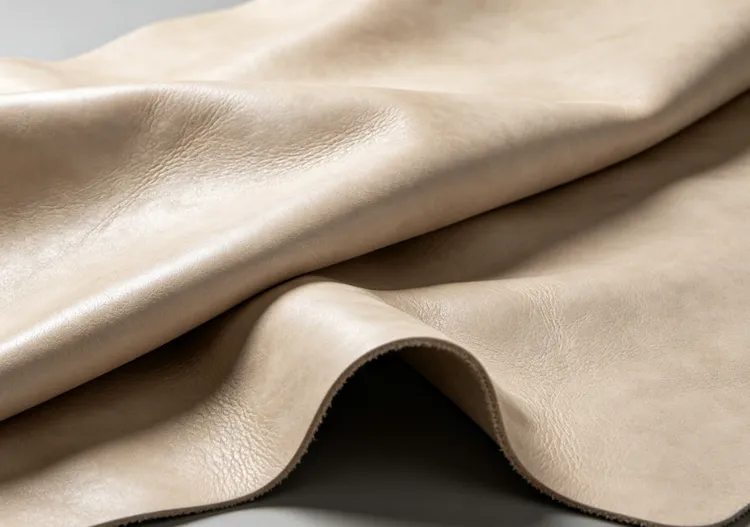
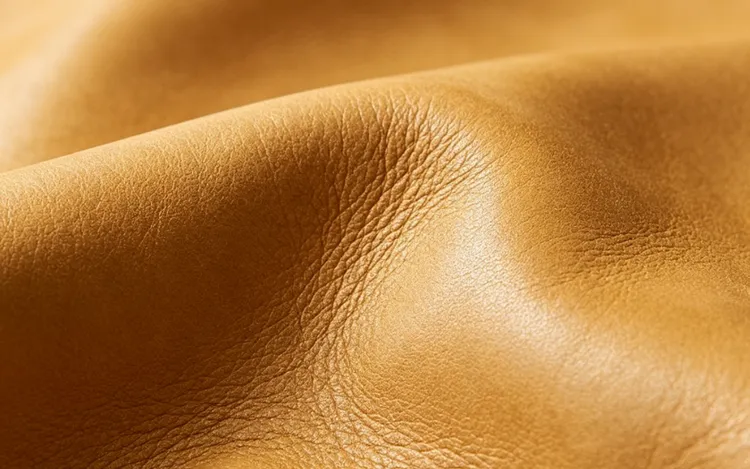
Lambskin is one of the softest and lightest varieties of leather. Its fibers are fine, the grain is tight, the touch is smooth like silk, and it has a natural and gentle luster, appearing luxurious without the need for a thick coating.
Lambskin is a “precious” choice for those who seek the ultimate touch, lightweight, and luxurious visual appeal in luxury goods. It is widely used in high-end handbags, gloves, fashion items, and small accessories, and is a signature material of brands like Chanel. But lambskin is not suitable for all types of bags.
This post will explore the characteristics of Lambskin and its suitability for bag-making.
What Is Lamb?
“Lamb” /læm/ is an English word that can function as a noun, verb, or a proper name.
As a Noun
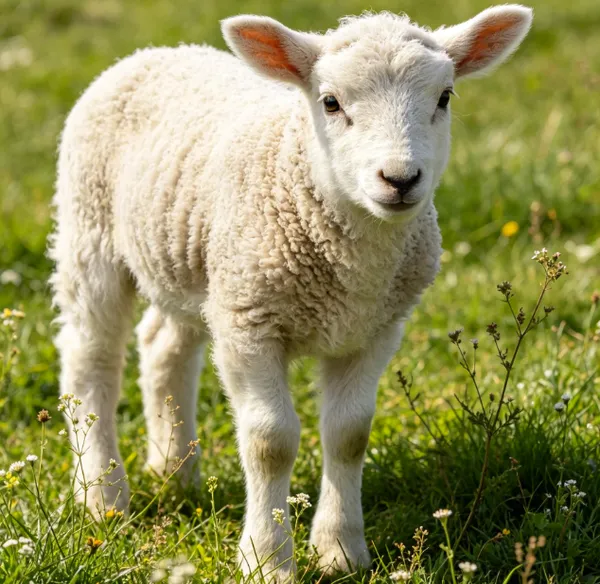
1. Lamb – usually refers to a young sheep under one year old.
2. Lamb meat – the meat of a young sheep, used as food (e.g. roasting lamb, lamb chops).
3. Metaphorical meaning: gentle, innocent or easily deceived person (for example, “She walked towards the slaughter like a lamb” = accidentally entering danger).
4. Daily usage: affectionate term: “darling, dear, dear darling” (for example, “Come here, little lamb!”) )。
As a Verb (Non-Transitive and Transitive):
Give birth to a lamb; produce a lamb (for example, “This ewe gave birth to lambs last night”).
Common phrases:
1. Holy Lamb – the religious title of Jesus Christ.
2. Lamb chop – meat from the ribs of a young lamb.
3. Rack of lamb – the rib section of a young lamb, usually roasted.
4. Lamb wave – a type of wave in physics (named after Willis Lamb).
As a Name:
“Lamb” is also a surname (for example, Willis Eugene Lamb, 1913 – 2008, an American physicist who won the Nobel Prize in Physics in 1955).
Brief Comparison
Word
Meaning
Lamb
Young sheep / its meat
Mutton
Meat from an adult sheep
Sheep
General term (any age)
Ram
Adult male sheep
Ewe
Adult female sheep
What is Lambskin Leather?
Lambskin refers to the skin of young sheep (lamb), usually no older than one year. It is one of the softest and highest-quality leathers available on the market, favored for its fine texture, light feel, and smooth, soft appearance.
Key Characteristics of Lambskin
Feature
Description
Softness
Extremely soft and pliable – much softer than adult sheepskin (sheep leather) or cowhide.
Grain
Very fine, tight grain with a natural, subtle luster.
Weight
Lightweight, making it comfortable for bags, garments, and gloves.
Durability
Less durable than goat or cow leather; prone to scratches and abrasion.
Breathability
Good natural breathability.
Feel
Warm and smooth to the touch.
Common Uses
Luxurious handbags (such as the classic leather-covered Chanel Lambskin products)
High-end jackets and coats
Gloves (soft and fitting to the body)
Small leather items (wallets, card holders, phone cases)
Packaging materials for high-end leather products
How to Care for It?
Please avoid contact with sharp objects and long nails – Lambskin nails are prone to being scratched.
Avoid contact with water and oil – Stains are difficult to remove.
Store in a dust bag – Avoid direct sunlight and high temperatures.
Use a special leather conditioner – To maintain the softness and luster of the leather and prevent it from drying out.
Wipe with a damp cloth; avoid soaking.
For severe wear and tear, seek professional leather care services.
Well-maintained sheepskin products can last a lifetime.
Lambskin vs. Sheepskin
Lambskin
Sheepskin
Animal age
Under 12 months
Mature sheep
Thickness
Thinner (0.5–0.8 mm)
Thicker
Softness
More supple and delicate
Slightly firmer
Typical use
Fashion, luxury goods
Heavy-duty items, insulation
With wool
Called shearling (when wool is retained)
Also called shearling
Types of Lambskin Leather
Type
Description
Nappa lambskin
Ultra-smooth, fine-grain, most luxurious; used in high-end fashion
Suede lambskin
Brushed finish with a velvety nap
Shearling lambskin
Wool still attached; used for winter coats and linings
Patent lambskin
Glossy, lacquered finish for a high-shine look
Pros & Cons of Lambskin Leather
✅ Pros
❌ Cons
Incredibly soft and comfortable
Less durable than cowhide
Lightweight and breathable
Prone to scratches and stains
Elegant drape and silhouette
Requires careful maintenance
Thermoregulating (warm in winter, cool in summer)
Higher price point
Ages beautifully when cared for
Sensitive to water and heat
Lambskin vs. Other Leathers
Lambskin
Cowhide
Sheepskin
Goatskin
Source
Young lamb (<12 mo)
Adult cow
Mature sheep
Goat
Thickness
0.5–0.8 mm
1.2–1.6 mm
1.0–1.5 mm
0.6–1.0 mm
Softness
⭐⭐⭐⭐⭐
⭐⭐⭐
⭐⭐⭐⭐
⭐⭐⭐
Durability
Lower
Higher
Medium
Medium-High
Weight
Lightest
Heaviest
Medium
Medium
Price
Highest
Moderate
Moderate
Moderate
Best for
Fashion, luxury
Heavy-duty, workwear
Warmth, casual
Everyday wear
How Is Lambskin Leather Made?
Lambskin (the skin of a newborn sheep) undergoes a meticulous processing procedure to become soft and luxurious leather. This process transforms an unprocessed and perishable by-product in the meat industry into a durable material, and it mainly consists of four stages: preparation, tanning, drying, and treatment.
From Raw Hide to Refined Leather: The 4 Key Stages
Create the final look, feel, and surface properties (e.g., color, shine, texture).
Breakdown of the Key Steps
1. Preparation Section (Beamhouse) – Pre-treatment before Tanning
Soaking: Re-hydrate and clean the salted raw skin, removing surface dirt and preservative salts.
Bleaching and Desquamation: Soak in a strong alkaline solution to dissolve or loosen hair, fat, and natural oils, while causing the skin sheet to expand.
Dehairing: Mechanically remove the remaining fat and connective tissue from the inner side of the skin.
Skin Flattening (Optional): Make horizontal cuts through the thick skin to control the subsequent thickness.
Bleaching: Neutralize the alkalinity brought about by the bleaching process to prevent problems in the subsequent tanning.
Softening: Treat with protease enzymes to moderately loosen the fiber structure and increase softness.
Acidification: Adjust the pH value with salt and acid to open the fiber channels and prepare for the absorption of tanning agents.
De-fatting: Sheepskin (especially lamb skin) has a high fat content, requiring a specialized de-fatting process to avoid later appearance of fat stains or uneven tanning.
2. Tanning Section (Tanyard) – Transforming raw skins into leather
Chromic tanning: The most commonly used method. It involves treating with chromium salts (basic sulfuric chrome). It is highly efficient, resulting in soft, heat-resistant, and stable leather. However, there is a problem of chromium pollution.
Vegetable tanning: Uses natural plant tannins (such as extracts from oak bark, chestnut wood, and oak bark). The process is slow, resulting in firm leather with good plasticity, skin-friendly, and with natural plant aroma. It is used for high-end vegetable-tanned leather.
Aldehyde tanning: Uses aldehyde-based tanning agents such as glutaraldehyde. The resulting leather has low allergenicity and is often used in medical or special applications.
Special processes (such as the “ARTHUR” tanning method): Uses traditional containers like natural oak barrels for long-term slow tanning, giving mutton skins a unique luster and feel.
3. Wet Finishing & Drying
Re-tanning: Reapply the tanning agent to further lock in the tanning properties and improve the softness, fullness, and grain firmness of the leather.
Dyeing: Uniformly dye the leather in the drum to achieve the desired color throughout.
Emulsification: Inject natural or synthetic oils/waxes into the fibers to replace the natural oils lost during the raw material processing, ensuring the leather is soft and crack-resistant.
Draining/Flattening: Mechanically remove excess moisture from the surface.
Sheeting/Blending: Precisely adjust the leather thickness to the target specification.
Drying: Use methods such as hanging and vacuum drying to remove moisture and fix the material properties.
4. Finishing Section – Giving the Final Appearance and Performance
Re-wetting/Adjustment: Add the appropriate amount of moisture to restore the elasticity of the fibers.
Softening/Dampening: Through mechanical actions (such as drum beating, softening machine), make the leather soft and create natural grain patterns or wrinkles.
Polishing: Grind the surface of the grain or the flesh side, which can produce velvet-like leather (such as positive velvet, negative velvet).
Coating: Apply multiple layers of coatings (polyurethane, acrylic resin, pigments, wax, etc.) by spraying or roller coating to achieve uniform color, cover flaws, and increase wear resistance and water resistance.
Embossing/Rolling: Form the desired texture (such as lychee pattern, plain pattern) through embossing plates or mechanical rolling.
Ironing/Rolling: Heat and press to make the surface smooth and shiny, or produce a specific luster.
Is Lambskin Leather Real Leather?
Yes, lambskin leather is truly a natural leather.
It is made from the raw skin of young lambs (usually under one year old), processed through tanning and other techniques, and belongs to a type of animal leather. Just like ordinary “sheepskin” or “goatskin”, it is genuine leather and not an artificial synthetic material (such as PU, PVC).
Why Some People Doubt It?
The parchment-like leather is extremely soft, thin and exquisite. Sometimes it even makes one think that it is so perfect that it couldn’t possibly be real.
Misconception
Reality
“It’s too soft to be real leather”
It IS real leather — the young age of the lamb produces shorter collagen fibers, making it naturally supple
“It feels like plastic or pleather”
That’s actually synthetic leather (PU/PVC), which lacks the warmth, breathability, and grain texture of real lambskin
“It’s too thin to be leather”
Real lambskin is intentionally thin (0.5–0.8 mm) — that’s what makes it luxurious
“It must be bonded leather”
Bonded leather is scrap leather + glue — lambskin is full-grain or top-grain, a single intact hide
How to Tell It Is Real Leather?
Feature
Characteristic of Lambskin
Source
From animal hide (lamb)
Tanning
Processed through chrome, vegetable, or other real leather tanning methods
Fiber structure
Natural collagen fibers; burns with a hair like smell, does not melt
Hand feel
Extremely soft, fine, and supple
Breathability
Naturally breathable, absorbs moisture
Price
High – several times to tens of times more expensive than synthetic leather
Lambskin’s Leather Classification
Standard
Classification
ISO 3378
Natural leather — skin with intact fiber structure
Intact collagen matrix — the definition of real leather
Processing
Tanned (chrome or vegetable) — chemically stabilized
Grain
Natural, fine, visible pores — cannot be faked convincingly
Durability
Ages beautifully; develops patina over time
Breathability
Natural fiber structure allows air flow
Biodegradable
Will decompose naturally — unlike synthetics
Common Misconceptions Clarification
“Sheepskin” ≠ “Faux Sheepskin”: Some products on the market are called “faux sheepskin”, which is made of synthetic materials and not real leather.
“Lamb Skin” ≠ “Sheepskin”: Lamb skin is the skin of young sheep, which is softer and more delicate than that of adult sheep, but has slightly lower strength.
“Lambskin” in leather must be genuine leather: Unless it is clearly labeled as “synthetic lambskin” or “faux lambskin”.
How to Confirm During Purchase?
Check the label: Look for “100% Lambskin Leather” or “Genuine Lambskin Leather” written in English.
Check the ingredients: Avoid items with words like “PU”, “PVC”, “polyurethane”, “synthetic”.
Smell the odor: Natural leather usually has a faint distinctive leather smell (the smell after tanning), rather than a chemical plastic smell.
Feel the texture: Lambskin is very soft, smooth and has a sense of temperature; artificial leather is cooler, less elastic and stiff.
How to Protect Yourself From Fake “Lambskin”
Red Flag
What It Means
Price is very low (e.g., $30 jacket)
Likely PU or bonded leather
Grain looks too perfect/uniform
Synthetic — real leather has natural variations
No leather smell
Probably fake
Seller calls it “vegan lambskin”
Contradiction — vegan ≠ real leather
Label says “man-made leather”
Not real
Fiber cross-section is flat/uniform
Synthetic; real leather shows layered fibers
Is Lambskin a Good Leather?
Yes, lambskin is one of the best leathers in the world. It is widely regarded as the softest, most luxurious and most prestigious leather. However, whether lambskin can be classified as a “high-quality” leather depends entirely on your usage purpose, expectations, and your willingness to maintain it. In some aspects, it can be considered top-quality; while in other aspects, it has obvious limitations.
Lambskin – Overall Assessment
Dimension
Rating
Explanation
Softness
⭐⭐⭐⭐⭐ (Excellent)
Its finest quality. Extremely fine fibers, baby skin soft – one of the softest leathers available.
Lightweight
⭐⭐⭐⭐⭐ (Excellent)
Very light. Bags or garments made from it are comfortable for extended wear.
Luxury feel
⭐⭐⭐⭐⭐ (Excellent)
Natural luster, fine grain, and premium touch make it a classic material for luxury brands (e.g., Chanel).
Durability
⭐⭐ (Poor)
Main weakness. Easily scratched by fingernails or keys; poor abrasion resistance; edges wear quickly.
Water / stain resistance
⭐⭐ (Poor)
Sensitive to water, oil, and dye transfer. Liquids leave permanent marks; stains are hard to remove.
Ease of maintenance
⭐⭐ (Difficult)
Requires special care and products. Serious stains should be handled by professionals.
Value for money
⭐⭐⭐ (Medium)
Expensive. You pay for the softness and luxury, not durability.
Best use cases
High end fashion, light use luxury bags, gloves, apparel
Ideal for delicate, non daily accessories.
The Advantages of Lambskin
Unparalleled softness – this is the primary reason for choosing lambskin. It feels extremely soft and fits the skin, making it very comfortable to wear.
Very lightweight – even large lambskin bags are significantly lighter than similar leather bags made from cowhide.
Excellent visual effect – the fine and uniform texture as well as the natural luster give it a refined and elegant appearance, an effect that cannot be replicated by synthetic materials.
Good drape – its good flexibility makes it very suitable for making soft bags and clothing, presenting smooth and flowing lines.
The Disadvantages of Lambskin
It is fragile and prone to damage – during normal use, it is likely to have scratches, wear and edge wear.
It is prone to staining – water, oil and colors from dark-colored clothes can transfer onto the lambskin, resulting in permanent stains.
The lifespan is shorter – compared to durable cowhide or goat skin, if lambskin products are used every day, the wear and tear will become apparent more quickly.
It is expensive – the high cost of raw materials and processing makes the finished product quite expensive.
Where Lambskin EXCELS (Best Uses)
Use
Why Lambskin Is Perfect
Leather jackets
#1 use — lightweight, stylish, comfortable
Luxury handbags
Chanel Classic Flap = lambskin; supple, elegant
Gloves
Fine driving gloves, fashion gloves
Blazers & coats
Drapes beautifully, looks premium
Dress shoes
Sleek, polished appearance
Upholstery (light use)
Sofa accents, headboards
Bedding & throws
Soft, warm, luxurious
Wallets & small goods
Thin, sleek, fits in pocket
Where Lambskin Is NOT Ideal (Weaknesses)
Weakness
Detail
Workaround
Not very durable
Thin = prone to tears, punctures, scratches
Avoid heavy daily use; use for fashion, not work
Not waterproof
Absorbs water easily; water stains
Use water-repellent spray; avoid rain
Scratches easily
Fine grain shows marks
Handle with care; minor scuffs buff out
Expensive
2–3x cost of cowhide
Worth it for luxury items; not for everyday workwear
Needs maintenance
Must condition regularly
Simple — just use leather conditioner monthly
Not for rugged use
Motorcycling, construction, heavy labor
Use cowhide or kangaroo leather instead
Lambskin vs. Other Leathers
Feature
Cowhide
Goatskin
Lambskin
Buffalo
Softness
⭐⭐⭐
⭐⭐⭐⭐
⭐⭐⭐⭐⭐
⭐⭐⭐
Durability
⭐⭐⭐⭐⭐
⭐⭐⭐⭐
⭐⭐⭐
⭐⭐⭐⭐
Weight
Heavy
Medium
Lightest
Heavy
Look
Classic/rugged
Textured
Luxurious
Rustic
Price
$$
$$$
$$$$
$$$
Best for
Work, jackets, boots
Everyday, casual
Fashion, luxury
Heavy-duty, rustic
Scratch resistance
Good
Good
Poor
Excellent
Water resistance
Moderate
Moderate
Poor
Good
Is Lambskin Leather Durable?
No, lambskin is not very durable. It is a very soft and luxurious type of leather, but this softness comes at the expense of strength and resistance to wear and tear. If used frequently as a bag, its lifespan is 1-3 years; with moderate use and proper maintenance, its lifespan is 5-10 years.
Durability Assessment of Lambskin
Aspect
Performance
Abrasion resistance
Low – easily scratched, scuffed, or worn thin, especially on edges and high friction areas.
Tear strength
Moderate – finer fibers make it less tear resistant than cow or goat leather.
Water resistance
Poor – absorbs water quickly, leaving stains or stiff spots.
Scratch resistance
Very low – fingernails, keys, or rough surfaces can leave permanent marks.
Longevity with daily use
Short – a lambskin bag used daily may show significant wear within 1 2 years.
Longevity with occasional use & care
Moderate – can last 5 10+ years if treated gently and stored properly.
Why Lambskin Is Less Durable
Factor
Detail
Thickness
Only 0.5–0.8 mm (vs. 1.2–1.6 mm for cowhide)
Fiber structure
Short collagen fibers = softer but weaker
Porosity
More porous than most leathers → absorbs water, stains, oils
Surface
Fine grain shows every scratch and scuff
No natural protection
Unlike cowhide, it has minimal natural oil/wax coating
Expected Lifespan
Use & Care Level
Lifespan
❌ Daily rough use, no care
1–3 years
⚠️ Moderate use, occasional care
5–10 years
✅ Regular conditioning, careful use
15–30 years
⭐ Professional care, light/fashion use
30–50+ years
Lambskin vs. Other Leathers — Durability Showdown
Leather
Softness
Durability
Best For
Lambskin
⭐⭐⭐⭐⭐
⭐⭐⭐
Fashion, luxury, light wear
Goatskin
⭐⭐⭐⭐
⭐⭐⭐⭐
Everyday wear, moderate activity
Cowhide
⭐⭐⭐
⭐⭐⭐⭐⭐
Work, motorcycling, heavy use
Buffalo
⭐⭐⭐
⭐⭐⭐⭐
Rugged, rustic items
Horsehide
⭐⭐⭐
⭐⭐⭐⭐⭐
Boots, belts, heavy-duty
How to Maximize Lambskin Durability
Tip
Why It Matters
Condition monthly
Prevents drying, cracking, stiffness
Waterproof spray
Reduces water absorption (but reduces breathability slightly)
Avoid direct sunlight
UV breaks down fibers → fading & brittleness
Don’t overstuff bags
Stretches the thin leather permanently
Hang on padded hangers
Prevents shoulder bumps & distortion
Wipe after each wear
Removes sweat, oils, dirt before they penetrate
Store in breathable bag
Plastic traps moisture → mold & mildew
Cool, dry place (~18°C, 50% RH)
Ideal storage conditions
Why Is Lambskin Not as Durable as Cowhide?
Young animal skin – lambskin is taken from young sheep, so its fibers are finer and more fragile.
Looser fiber structure – Compared with the compact cowhide or goat skin, the fibers of lamb skin are arranged more loosely and are not so closely interwoven.
Less rough surface – Most sheepskin retains a relatively natural original state to maintain its soft texture and has no thick protective coating.
✅ How long does lambskin last before it becomes “sufficiently durable”?
The durability of lambskin can meet the following standards:
Ladies’ evening bags, handbags or tote bags for special occasions (used a few times per month)
High-quality gloves and jackets (worn in a mild environment)
Items that require careful handling and storage
❌ When lambskin material is insufficient to meet the following requirements:
Daily commuting bags (subject to rain, friction, and continuous compression)
Work bags/ laptop bags (heavy objects will compress the seams and edges)
Travel bags (subject to rough handling and environmental erosion)
Is Lambskin Leather Soft?
Yes, lambskin is extremely soft and elastic. In fact, it is generally regarded as the softest of all existing leathers.
Lambskin is not only “soft” – it is also the standard benchmark for measuring the softness of all other leathers. If you have ever touched something and exclaimed “This is the softest thing I have ever touched”, it was probably lambskin.
Why Is Lambskin so Soft?
Baby sheepskin – Lambskin is derived from young sheep (lambs), and its skin fibers are finer and softer than those of adult sheep or cow skins.
Fine texture structure – The natural texture is very dense and smooth, giving a soft, almost creamy touch.
Minimal surface treatment – Most lambskin undergo a thin coating treatment (or no coating treatment at all) to maintain its natural softness, which is different from leather that has undergone deep modification or coating treatment.
Summary of Why Is Lambskin SO Soft?
Factor
Detail
Age
Under 12 months old — youngest commercial hide
Collagen fibers
Shorter, finer, less cross-linked → more flexible
Thickness
Only 0.5–0.8 mm → less resistance to bending
Fat content
Higher natural fat → enhanced suppleness
Grain structure
Extremely fine, tight pores → smooth surface
Fiber density
Lower density = softer, more pliable
Think of it this way:
Cowhide = a mature tree trunk — strong, rigid, structured
Lambskin = a young willow branch — flexible, supple, bends effortlessly
How Is Its Softness Compared to Other Types of Leather?
Lamb: ~0.5 mm vs. Cow: ~2 mm — shorter = more flexible
Fiber cross-linking
Less cross-linking in young skin = more pliable
Moisture content
~12–14% — ideal for suppleness
Fat content
Higher intramuscular fat = natural plasticizer
Grain thickness
Epidermis is thinner → less resistance
Elastic modulus
Lower = bends more easily under less force
Common Myths About Lambskin Softness
Myth
Reality
❌ “It’s too soft to be real leather”
It IS real leather — softness comes from young age
❌ “Soft means weak”
Soft ≠ weak — lambskin has good tensile strength for its weight
❌ “All lambskin is equally soft”
No — nappa is softer than suede; aniline softer than pigmented
❌ “It will stay this soft forever”
Without care, it can stiffen — conditioning keeps it supple
❌ “Synthetic leather can match it”
No — PU/PVC feels plasticky; nothing replicates real lambskin
❌ “Lambskin is just thin cowhide”
Completely different fiber structure — not just thin
Is Lambskin Leather Waterproof?
No, lambskin is not waterproof. It is not a waterproof material. In fact, it has a very high water absorption capacity and is prone to being damaged by water.
In reality, due to the thin and porous structure of lambskin, it absorbs water more easily than most other leathers.
Why Is Lambskin Not Waterproof?
The natural porosity – Just like all genuine leather, lambskin has an open pore structure, which allows water to penetrate.
Fine, flexible fibers – These fibers absorb water very quickly, which can easily lead to staining, hardening or fading.
Very thin coating – To maintain its excellent softness, lambskin usually does not undergo a thick waterproof treatment process.
What Happens to the Fur When It Gets Wet?
Dark water stains or water rings will appear, and these marks may remain permanently.
After drying, the leather may become hard, lose its softness, and even develop cracks.
Dust and oil stains will penetrate deeper into the fibers, making the stains even harder to remove.
Can Lambskin Be Made Waterproof?
Yes, it can be achieved through treatment methods. ——Using a high-quality leather waterproof spray (designed specifically for fine and soft leather) can provide waterproof and moisture-proof protection.
Important reminder —— Regular re-treatment is required. Even treated lambskin should not be soaked in water or exposed to heavy rainfall.
Water Resistance vs. Waterproof: Key Differences
Property
Lambskin Leather
True Waterproof Materials (e.g., PVC, Rubber)
Liquid Barrier
Slows absorption, but not impermeable
Completely blocks liquid entry
Breathability
Yes (allows air/moisture vapor exchange)
No (traps sweat/heat)
Durability Wet
Can warp, stiffen, or stain if saturated
Unaffected by prolonged submersion
Care Needs
Requires conditioning after wet exposure
Minimal maintenance
Why Lambskin Absorbs Water So Easily
Factor
Detail
Thickness
Only 0.5–0.8 mm (extremely thin)
Pore structure
Tiny, nearly invisible pores that let water in
High porosity
Natural fiber matrix absorbs moisture readily
No natural wax coating
Unlike cowhide, lambskin has minimal natural protection
Fat content
Higher natural fat = water is attracted to the fibers
What Happens When Lambskin Gets Wet
Stage
What Happens
Initial contact
Water absorbs quickly — visible darkening within seconds
Drying
Oils are forced out as water evaporates
After drying
Leather becomes stiff, brittle, and prone to cracking
Repeated exposure
Permanent damage — watermarks, stiffness, loss of suppleness
Severe/prolonged
Fiber breakdown — the leather literally falls apart over time
This is the #1 killer of lambskin leather. Even one heavy rainstorm can permanently damage an untreated lambskin jacket.
Lambskin ranks at the bottom for water resistance among all common leathers.
How to Make Lambskin Water-Resistant?
Method
Effectiveness
Notes
✅ Silicone-free leather protector spray
Moderate — repels light rain/spills
Best option — specially formulated for delicate leathers
✅ Wax-based protectors (e.g., beeswax, carnauba)
Light — helps with drizzle
Natural, breathable, but needs reapplication
⚠️ Standard waterproofing sprays
Risky — can damage finish
Many contain silicone or solvents that ruin lambskin
❌ Waxing with paraffin
Poor — clogs pores
Makes leather stiff, defeats the purpose
❌ Oil-based treatments
Temporary — attracts dirt
Neatsfoot oil helps suppleness but not water resistance
❌ DIY remedies (vinegar, lemon, etc.)
Dangerous
Can strip finish, discolor, or destroy the leather
Best Products for Lambskin Water Protection
Product Type
Example Brands
Why
Water-based protector sprays
Dermo Protect, Collonil Water Stop
Silicone-free, breathable, safe for lambskin
Lambskin-specific conditioners
Chamberlain’s Leather Milk, Leather Care Liniment
Nourish + light water repellency
Nano-coating sprays
Newer tech (2020s)
UV + water resistance without stiffness
Key rule: Always use silicone-free products. Silicone clogs the delicate pores of lambskin and permanently damages the leather.
How to Protect Lambskin From Water
Tip
Why It Matters
Apply protector BEFORE first wear
New lambskin has zero water resistance until treated
Avoid rain completely
Even light drizzle can cause watermarks
Wipe spills immediately
Don’t let liquid sit — blot, don’t rub
Reapply protector every 2–3 months
Protection wears off with use
Carry a backup layer
Wear a rain jacket OVER your lambskin
Never dry near heat
Heat + water damage = cracked leather
Air dry naturally
If it gets wet, pat dry and let it air dry at room temp
What If Lambskin DOES Get Wet?
Step
Action
1. Blot immediately
Use a clean, dry, white cloth — press, don’t rub
2. Remove excess water
Gently pat until no more transfers to cloth
3. Stuff with acid-free paper
Absorbs internal moisture, maintains shape
4. Air dry at room temp
NEVER use heat, hair dryer, or sunlight
5. Condition when 90% dry
Apply lambskin conditioner to restore oils
6. Re-apply water protector
Once fully dry, spray protector again
Never: Rub wet lambskin, hang near heat, or put in direct sunlight to dry — this will crack and stiffen it permanently.
Lambskin vs. Other Leathers — Water Comparison
Leather
Waterproof?
Rain Safe?
Spill Safe?
Notes
Lambskin
❌ No
❌ No
⚠️ Wipe immediately
Most vulnerable
Goatskin
❌ No
⚠️ Light rain OK
✅ Moderate
Better than lambskin
Cowhide
❌ No
✅ Light rain OK
✅ Good
Most rain-tolerant
Buffalo
❌ No
✅✅ Good
✅✅ Good
Dense fiber = better resistance
Horsehide
❌ No
✅✅ Good
✅✅ Good
Very tight grain
Exotic (croc/gator)
⚠️ Semi
✅✅ Better
✅✅ Better
Natural scale barrier
Patent leather
⚠️ Semi
✅ Light rain
✅ Spills wipe off
Coating helps but peels
Is Lambskin Leather Good for Making Bags?
Yes. Lambskin leather, due to its excellent texture, is an excellent material for making high-end handbags and fashionable accessories. However, it is not the ideal choice for all bags. Lambskin leather is not a “durable” option; rather, it is an experience-based material that pays for its appearance and texture. Its advantages and disadvantages are very distinct, and it depends on what kind of product you want to create.
Advantages of Lambskin for Bags
Feature
Explanation
Extreme softness
Supple, smooth to the touch, excellent skin friendliness – a hallmark of luxury handbags.
Lightweight
Much lighter than cowhide or goatskin of the same area; even large bags won’t feel heavy.
Premium appearance
Fine, tight grain with a natural subtle sheen; looks luxurious without thick coatings.
Good drape
Soft leather creates smooth, flowing lines – ideal for soft totes and casual styles.
Disadvantages of Lambskin for Bags
Feature
Explanation
Poor abrasion resistance
Easily scratched by fingernails, keys, etc.; corners, edges, and handle bases wear quickly.
Poor water resistance
Water leaves stains, causes stiffening or discoloration; risky in rainy weather.
Dye transfer risk
Dark clothing or jeans may stain light coloured lambskin bags.
High maintenance
Requires specialised care products; serious stains usually need professional cleaning.
Handbag/Evening bag: Low usage frequency, light load, can fully display its luxurious texture.
Small-sized crossbody bag/Single shoulder bag: Suitable for dates, social events, etc., not for heavy daily use.
Limited edition or classic models of luxury brands (such as Chanel classic flap bag): As the core carrier of the brand’s style, consumers are willing to take on the maintenance responsibility for its texture.
Bag Types Not Suitable for Lambskin
Daily commuting tote bag: Frequent use, placed on the ground, exposed to umbrellas, etc., will wear out quickly.
Student backpack/travel backpack: Requires durability, dirt resistance, and resistance to deformation.
Large shopping bag: The handles and stitching at the bottom are prone to tearing when carrying heavy items.
Summary of the Best Bag Styles for Lambskin
Perfect For
Avoid For
Evening clutches
Heavy-duty work bags
Designer totes
Construction/tool bags
Crossbody bags
Gym/sports bags
Weekend bags
Outdoor/adventure bags
Wristlets
Bags carrying sharp objects
Structured handbags
Overstuffed daily bags
Quilted bags
Budget everyday bags
Mini bags
Laptop bags (unless lined)
How Long Does a Lambskin Bag Last?
Care Level
Expected Lifespan
Neglected, daily rough use
2–5 years
Moderate care, regular use
5–10 years
Good care, rotated use
10–20 years
Excellent care, occasional use
20–40+ years
How toEnhance Its Durability?
Choose a design with reinforced edges and protective corner pieces.
The inner lining should be made of wear-resistant materials, and additional structural supports (such as inner pockets and base pads) should be added.
Apply a special waterproof and stain-resistant spray for lambskin in advance and reapply it regularly.
Remind the end users: Avoid prolonged exposure to rain, keep away from rough surfaces, and do not hang heavy objects.
Because lambskin bags are not very durable, they need regular care. The care of lambskin bags is very simple, but it needs to be done regularly. Lambskin material is lightweight and fragile, but as long as you do the basic maintenance, your bag can be used for 20 years or even longer.
The 3 Golden Rules
Rule
Action
Why
1️⃣ Condition Monthly
Apply leather conditioner
Prevents cracking & stiffness
2️⃣ Protect From Water
Use water-repellent spray
Lambskin absorbs water instantly
3️⃣ Store Properly
Stuff + dust bag + upright
Prevents creases & deformation
Daily Care (After Each Use)
Step
Action
1
Empty the bag completely
2
Wipe interior with soft cloth
3
Wipe exterior with dry microfiber cloth
4
Stuff with acid-free tissue paper
5
Place in breathable dust bag
6
Store upright on a shelf
❌ Never leave it empty and flat — it will crease permanently.
AVOID: Silicone, petroleum, alcohol, or harsh chemicals — they clog lambskin pores permanently.
Handling Scratches & Wear
Problem
Response
Minor surface scratch
Gently buff with a soft, dry cloth; natural oils may help it fade
Deep scratch or tear
Do not attempt repair at home — take to a professional leather specialist
Corner wear
Prevent with careful handling; once worn, professional re-edging may help
Color fading
Minimize sun exposure; professional re-dyeing is possible but costly
If the Bag Gets Wet
Step
Action
1
Blot immediately — press, don’t rub
2
Stuff with acid-free paper
3
Air dry at room temp only
4
❌ NEVER use heat, hair dryer, or sunlight
5
When 90% dry → condition gently
6
Fully dry → reapply water protector
Dealing with Moisture and Mold
The lambskin material is natural and breathable, which makes it prone to mold growth in humid climates (such as Guangzhou). Symptoms: White or green fluffy spots, or a musty smell.
Immediate treatment measures: Gently wipe the surface with a cloth soaked in a 1:1 mixture of water and alcohol (test it in a concealed area first).
Preventive measures: Place a silica gel pack inside the dust bag (but do not touch the leather directly), to absorb moisture. Take the bag out once a month and place it in a dry and ventilated room to “breathe”.
Cleaning and Stain Removal
Regular Dusting: Use a soft, dry white cotton cloth to gently wipe the surface every week to remove dust. For stubborn stains at the stitching areas, use an old soft-bristled toothbrush to clean carefully.
Oil Stain Treatment: For small oil stains, apply a small amount of special cleaning cream for lambskin (e.g., Saphir Medaille d’Or Renovateur) onto a clean cloth, and then gently wipe the stain in a circular motion. Let it sit for 3 minutes before wiping it off with a dry cloth. Do not use household cleaners or wet wipes as they may damage the natural oil layer of the leather.
Beverage Stain Treatment: For spills like coffee, beer, or juice, immediately wipe the area with a damp cloth, then wipe it dry with a dry cloth and let it air dry naturally.
Chewing Gum or Sticky Residues: Do not use sharp tools to scrape off. Instead, gently peel off the excess chewing gum and then use a cloth dipped in a small amount of rubbing alcohol to wipe the remaining residue (test it on an inconspicuous area first).
Professional Cleaning: For stubborn stains, large areas of dirt, or deep cleaning, it is recommended to send the bag to the brand’s after-sales service center or a professional luxury care center. According to Gucci’s official regulations, a professional deep cleaning and nourishing care should be conducted once a year to help restore the leather’s elasticity and luster.
Stain Removal Guide
Stain
Solution
Method
Water spot
Conditioner
Rub gently in circles
Ink
White eraser
Gently rub
Grease/oil
Cornstarch
Sprinkle; wait 24 hrs; brush off
Food/sauce
Damp cloth + mild soap
Wipe immediately
Jeans dye transfer
Magic Eraser
Very gentle rubbing only
Scuff marks
Pencil eraser
Gentle rubbing
Deep stain
Professional cleaner
Don’t risk it yourself
Act FAST — the sooner you treat a stain, the easier it comes out.
Long-term Storage Guide
Filling and Stabilization: Use cling film or bubble wrap to fill the inside of the package to prevent it from collapsing and deforming.
Hanging restrictions: Do not hang for a long time, especially for heavy packages, as this can cause the handle or shoulder strap to deform. It should be placed flat or sideways.
Environmental Control: The storage environment should be kept dry (humidity 40%-60%), and moisture absorbers can be placed, but do not use camphor balls (the smell will permeate the leather).
Storage Rules
✅ Do
❌ Don’t
Breathable dust bag
Plastic bags
Store upright
Lay flat long-term
Stuff with tissue
Leave empty
Cool, dry place (18°C)
Near heaters, windows, sunlight
40–60% humidity
Damp basement or attic
Rotate bags
Use same bag daily
What NOT To Do
❌ Never
Why
Household cleaners
Strips oils, damages finish
Silicone products
Clogs pores permanently
Alcohol or acetone
Dissolves dyes
Washing machine
Destroys leather instantly
Hair dryer on wet bag
Heat cracks lambskin
Baby wipes
Contain damaging chemicals
Saddle soap
Too harsh for lambskin
Condition too often
Makes leather sticky
Starter Kit (Everything You Need)
Product
Cost
Frequency
Microfiber cloth (2–3)
$5
Daily
Leather conditioner
$10–20
Monthly
Silicone-free protector spray
$10–15
Every 2–3 months
Lambskin cleaner
$10–15
Monthly
Acid-free tissue paper
$5
Every use
Dust bag
$5–10
Always
Pencil eraser
$1
As needed
Cornstarch
$3
As needed
Total: ~60–100 —protectsa; 500–$15,000 bag.
Conclusion
Lambskin features ultra-fine natural texture, a silky smooth touch and a lightweight quality. However, this type of leather is relatively thin and fragile, lacking strong durability. It is prone to accidental scratches, wear and dents during daily use.
Therefore, Lambskin is commonly used for high-end clutch bags and premium accessories, rather than for making backpacks, handbags, or commuter bags that are frequently used on a daily basis.
If you are running your own high-end bag businessand want to customize a bulk of bags made of lambskin material or other high-end materials, please feel free to contact us to discuss the details of cooperation.