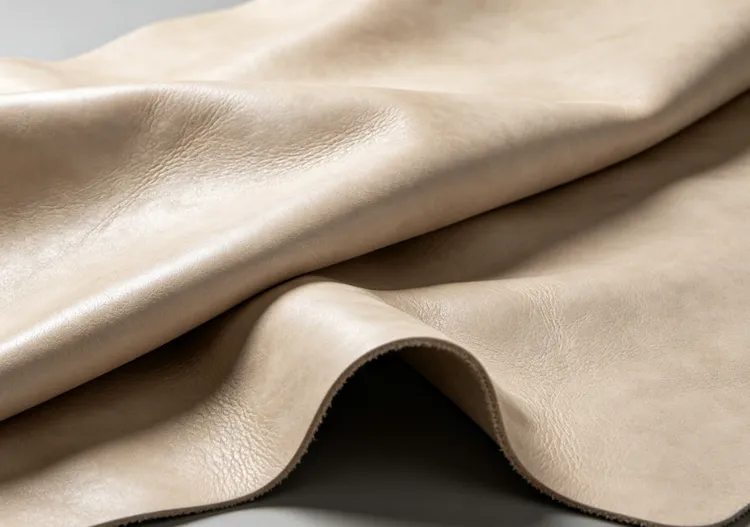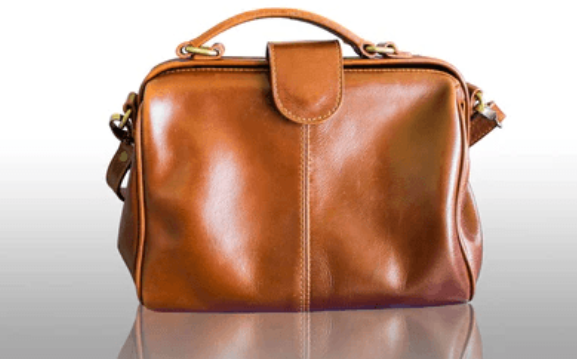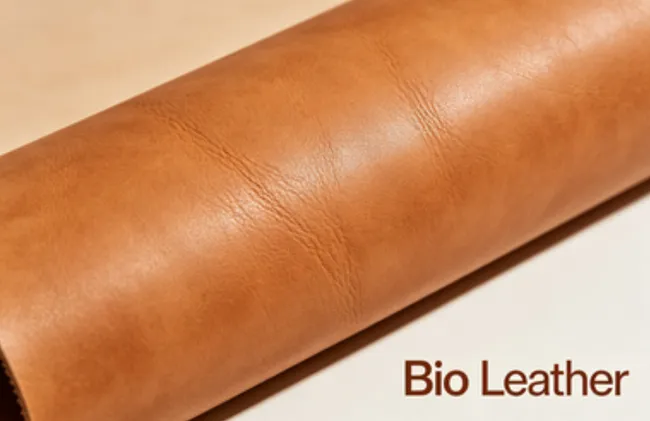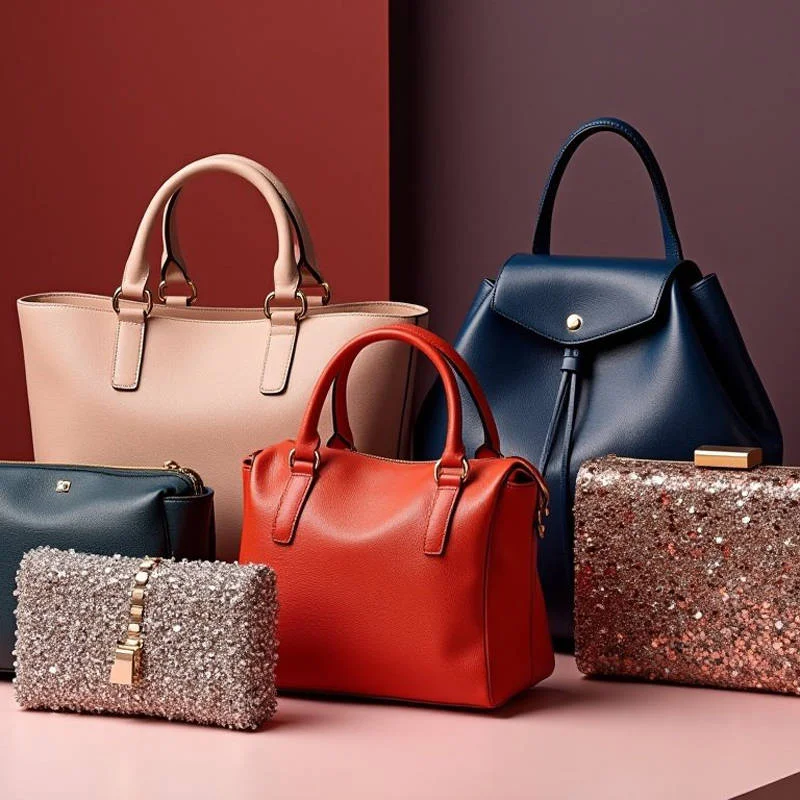
Kombucha Leather is an innovative biobased material made from bacterial cellulose. Its raw material comes from the SCOBY (a symbiotic mixture of bacteria and yeast) film produced during the fermentation process of Kombucha.
This leather is lightweight and soft, easy to dye, emboss, and sew. It has a soft texture similar to thin leather, being 40% lighter than traditional leather. It has natural breathability and will soften with body temperature when in contact with the skin, providing excellent fit.
The production of Kombucha Leather is achieved through the fermentation process, which allows for the regulation of thickness, texture, and transparency. The finished product can undergo customization treatments such as dyeing and embossing. It is suitable for making fashionable accessories like evening bags, handbags, wallets, etc.
This post will explore the definition and manufacturing process of Kombucha Leather, as well as the types of bags it is suitable for manufacturing.
What Is Kombucha Leather?
Kombucha Leather (SCOBY Leather / Bacterial Cellulose Leather) is an innovative biological material made from bacterial cellulose and is regarded as a sustainable alternative to traditional animal leather.
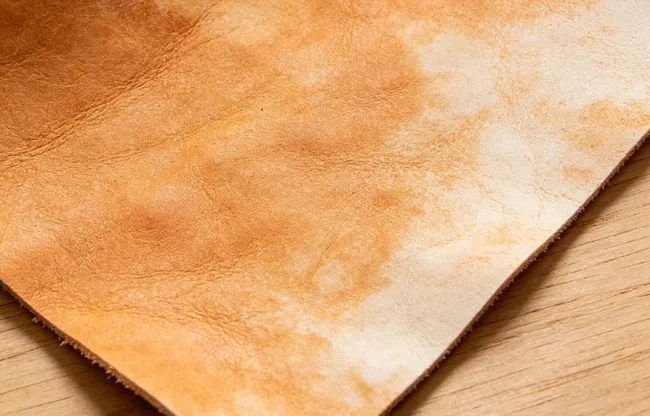
It originates from the by-product produced during the fermentation of kombucha – a gel-like film formed by a symbiotic colony of bacteria and yeast (SCOBY).
Definition and Origin
Kombucha Leather is not animal leather nor petroleum-based synthetic leather. Instead, it is produced by culturing sweet tea liquid with SCOBY (Symbiotic Culture Of Bacteria and Yeast) together, allowing microorganisms to secrete a pure natural cellulose network. This network is dried and shaped, forming a flexible, cuttable film with a texture similar to lightweight leather. It is biodegradable and cruelty-free.
- Core Ingredients: 100% pure bacterial cellulose (not chemically modified)
- Raw Material Sources: Black tea/ green tea + sugar + acetic acid (to maintain pH < 4 to prevent mold)
- Formation Cycle: 7–21 days of fermentation, drying takes 3–7 days
How Does It “Grow”?
This process can be vividly understood as “planting” leather:
- Prepare the “soil”: Use sweet tea (usually made by mixing water, sugar, tea, and vinegar) as the “nutrient solution” for fermentation.
- Add the “seed”: Place the SCOBY (the mother culture of kombucha) into the cooled sweet tea.
- Wait for “growth”: Within 2 to 6 weeks, the microbial colonies will consume the sugar and secrete bacterial cellulose. This cellulose gradually accumulates on the surface of the liquid, forming a thick and flexible “skin”.
- Harvest and process: Remove this natural “skin” from the liquid, clean it and dry it. The dried material is a piece of kombucha leather.
Features and Advantages
- Environmentally friendly and sustainable: It uses less water and energy during production, does not use harmful chemicals, and is fully biodegradable.
- Vegetarian and ethical: It does not involve animal leather at all and is a pure vegetarian material.
- Unique texture: Compared to traditional leather, it is usually more translucent and has a paper-like texture.
- Antibacterial and preservation: The material itself has natural antibacterial properties and can be used to make packaging that can extend the shelf life of food.
- Excellent basic performance: It has characteristics of breathability, flexibility, and moisture retention, and is safe for contact with the skin. After optimization research, its thickness can reach 0.893mm and its tensile strength can reach 15.81 MPa.
Limitations and Challenges
- Limited Durability: Currently, its long-term durability still falls short of that of traditional leather, making it more suitable for producing short-life-cycle products such as wallets, shoes, and clothing.
- Technique Needs Improvement: Key performance indicators such as hardness, flexibility, and tear resistance still require enhancement before it can compete with industrialized plastics or leather.
- Scaling Up Issues: How to achieve low-cost and high-efficiency large-scale production is the main commercial obstacle currently faced.
- Knowledge Barriers: Currently, it is mostly made in laboratories or by DIY enthusiasts and has not yet become a popular mass craft.
Kombucha Leather Physical Properties & Performance
| Property | Rating (1–10) | Description |
| Softness | 8 | Feels like lambskin; conforms well to body contours. |
| Sewability | 9 | Can be processed with standard sewing machines; edges resist cracking. |
| Durability | 6 | Withstands daily use for over 5 years, but not suitable for prolonged water exposure. |
| Breathability | 9 | Microporous structure outperforms traditional PU leather; ideal for skin contact applications. |
| Water Resistance | 5 | Requires coating (e.g., plant based wax) to achieve water repellent properties. |
| Dyeability | 8 | Natural plant based dyes (e.g., beetroot, turmeric) can penetrate and colour the material. |
| Biodegradability | 10 | Fully decomposes in soil within 6–12 months, leaving no microplastic residues. |
What Can It Do?
- Fashion and Accessories: Handbags, shoes, wallets, clothing.
- Household Items: Lampshades, furniture covers, hats.
- Packaging Materials: Degradable food packaging.
- Creative Projects: Costumes, cosplay outfits, and traditional shadow puppetry props.
Sustainability Comparison vs Other Vegan Leathers
| Material | Eco Feature | Weakness |
| Kombucha Leather | 100% compostable, zero plastic, minimal chemicals | Water-sensitive, low durability, slow production |
| Grape Leather | Water-resistant, durable, brand-adopted (Tory Burch, Stella McCartney) | Contains small bio-PU binders, not fully biodegradable |
| Mushroom / Mycelium Leather (Mylo™) | Low carbon footprint, animal-friendly, grown from fungal mycelium in controlled environments | Large-scale production still under development |
| Cactus Leather (Desserto®) | Renewable resource, soft, flexible, breathable | Not fully biodegradable |
| Apple Leather | Upcycles waste from the juice industry (peels, pomace) | Often blended with PU – contains plastics |
| Pineapple Leather (Piñatex®) | Uses pineapple leaf fibres, upcycles agricultural waste | Relatively poor scratch resistance |
| Cork Leather | Biodegradable, sustainable (bark regrows every 9 years, tree unharmed) | Slow production process |
| Recycled Plastic Leather | Made from recycled plastics (e.g., ocean plastics) | Still plastic-based, not fully biodegradable |
| PU Synthetic Faux Leather | Cheap, waterproof | Plastic-based, non-compostable, toxic tanning waste |
How to Make Kombucha SCOBY Leather?
The essence of “Kombucha ‘leather'” is to transform the SCOBY (a symbiotic membrane of bacteria and yeast, composed of bacterial cellulose) from “tea-drink by-products” into sheet materials, then undergo drying/tanning/backing composite processes to turn them into flexible and sewable leather materials. This is a biological manufacturing process that can be attempted at home.
Preparation Stage: Materials and Tools
- SCOBY and Fermentation Liquid: These are the core materials. They can be extracted from existing batches or use store-bought plain kombucha as the initial culture liquid.
- Sweet Tea (the “food” for the SCOBY): The recommended ratio is 0.5 cups of sugar and 3 tea bags for every 3 cups of water. The tea and sugar provide nutrients for the SCOBY’s growth. Note: The tea must be completely cooled before use; high temperatures will kill the SCOBY.
- Culture Container: Choosing a glass container is ideal as it is easy to clean and sterilize. The shape of the container will determine the final shape of the SCOBY. You can also use a new, scratch-free plastic container.
- Other Tools: Gloves, alcohol, a flat wooden board or frame for drying, and natural oils (such as flaxseed oil) and tools for post-processing.
Phase 1: Cultivation and Growth
- Cleaning and Mixing: Put on gloves and clean your hands and the culture container with alcohol. Add cooled sweet tea and SCOBY culture solution to the container in a ratio of 3:1.
- Sealing and Placement: Seal the container opening with breathable materials such as paper towels or cloth (to prevent dust from entering and to allow gas exchange). Then place it in a warm (about 21-22°C) and dark place to stand still.
- Patience is needed: Let the SCOBY grow on its own.
- Basic Growth: A film layer can form in about 2 weeks.
- Ideal Thickness: To achieve a better leather texture, it is recommended to grow the SCOBY thicker. This may take 3-4 weeks or longer. The thicker the SCOBY, the more resilient the final leather will be.
- Thickening Techniques: To accelerate growth, you can reduce the depth of the culture solution and increase the amount of sugar, or place the container on a heating pad.
Phase 2: Harvesting and Processing
- Harvesting: Once the SCOBY has reached the desired thickness (at least 10 millimeters) and size, remove it from the container using clean gloves.
- Cleaning (optional): Gently rinse the surface with clean water to remove any remaining culture liquid.
- Staining (optional): Before drying, you can soak the SCOBY in natural dyes (such as beetroot powder, turmeric powder, mallow tea, etc.) overnight to achieve color.
- Fixation and Drying: This is the crucial step that determines the final outcome.
- Best method: Place the moist SCOBY flat on a wooden frame or other flat surface to keep it flat during the drying process. This is the best way to prevent the material from curling and uneven thickness.
- Alternative method: If you don’t want to use a frame, you can lay the SCOBY flat on a non-absorbent surface (such as a glass plate, plastic sheet) and let it dry naturally.
- Drying time: The drying time depends on the environmental temperature and humidity. It usually takes less than a week.
Phase 3: Post-processing and Shaping
- Evaluation and Adjustment: After drying, the SCOBY leather may have some uneven or brittle areas. If it is too thin, you can try layering it multiple times.
- Hardening and Waterproofing Treatment: This is a crucial step for enhancing the durability and functionality of the leather.
- Reference Formula: Some makers have attempted to apply multiple coats of a mixture of 1:1 linseed oil (for flexibility) and turpentine (for waterproofing) to achieve a more durable result.
- Other Options: You can also try applying a mixture of coconut oil and beeswax, but be aware that the effect may not last long.
- Note: Improper handling (using the wrong oil or not processing adequately) may cause the material to crack after a few weeks.
- Cutting and Sewing: Now, you can cut the material using sharp scissors or leather shears, and then sew it into the items you desire, such as wallets, small bags, etc.
Notes for Attention
- Aseptic operation: All tools must be disinfected in advance to prevent contamination by foreign bacteria and avoid mold growth on the bacterial film.
- Humidity control: Maintain the environmental humidity at 60-70% during the cultivation process to prevent the bacterial film from drying out.
- Time management: If the fermentation time is too long, the bacterial film will become too thick and lose its toughness.
- Environmentally friendly dyeing: Prioritize plant-based dyes and avoid synthetic dyes containing chemical additives to maintain the sustainability of materials.
The Four Major Failures in DIY
- Uneven film thickness → Use a square plate for shallow pans and keep the liquid level at 2.5-3 cm (constant depth), do not use deep bowls.
- Cracks occur when it’s too dry and brittle → Forget the step of adding glycerin or beeswax, just leave it to dry = hard sugar shell.
- Different stretching and tearing during sewing → No backing material or the backing material is too weak (not enough thin cotton backing, need rPET non-woven or sail).
- Foul vinegar smell / Film rot → When the temperature is above 32°C, acetic acid bacteria take over, or the sugar concentration in the tea soup is incorrect (less than 4% sugar, bacteria starve; more than 8% sugar, inhibits growth).
Common Problems and Solutions
| Problem | Cause | Solution |
| Mold on SCOBY | Contamination, too cold, or insufficient starter tea | Discard and start over; ensure acidic starter tea and warm environment |
| Uneven thickness | Uneven drying or disturbance during growth | Use a level drying surface; do not move the container during fermentation |
| Shrinking/curling | Drying too fast without pressure | Use the press method; change absorbent materials frequently |
| Too brittle | Insufficient thickness or lack of conditioning | Grow thicker sheets (2+ weeks); apply oils after drying |
| Smell | Incomplete rinsing or bacterial residue | Rinse thoroughly; use a mild vinegar solution; dry completely |
| Sticky surface | Incomplete drying or too much sugar in brew | Ensure full drying; use correct sugar ratio |
Project Ideas
| Item | Notes |
| Wallet or card holder | Small, flat pieces are easiest for beginners |
| Watch strap | Requires thin, flexible sheets; good for testing treatments |
| Journal cover | Flat, low-stress application |
| Earrings or jewelry | Small pieces showcase the translucent quality |
| Phone case | Can be molded around a form during drying |
| Bag panels | Larger sheets require careful pressing to prevent warping |
Factors Affecting Quality
- Fermentation time: The longer the fermentation time, the thicker the produced material.
- Temperature: A warm and stable temperature is conducive to the formation of cellulose.
- Container shape: Wide-mouth containers can produce larger sheets of paper.
- Sugar concentration: It affects the growth of microorganisms.
- Drying conditions: Slow and uniform drying helps reduce deformation and cracking.
The Current Challenges
Although comp tea leather, as a sustainable biological material, holds promise, it still has some limitations in practical applications:
- It absorbs water easily when not treated.
- It may become fragile when very dry.
- Its durability is usually lower than that of ordinary leather.
- Achieving consistent quality on an industrial scale remains an active area of research.
How Long Does Kombucha Leather Last?
Is kombucha leather durable? Yes. However, its durability largely depends on the manufacturing process and the post-processing methods. Nevertheless, it is clear that its lifespan is usually within the range of “several years“, rather than being as long as several decades as with traditional leather.
Typical Lifespan
Untreated kombucha leather: If kept dry and used gently, it can be preserved for several months to several years. It is most suitable for artworks, prototypes and decorations.
Processed or coated kombucha leather: After being treated with natural oils, waxes or protective biobased coatings, it can be preserved for several years under normal indoor conditions, but its long-term durability is still under evaluation.
Untreated State: 3–12 Months | Short-Term Toughness of Natural Cellulose
- The untreated Kombucha Leather, essentially a bacterial cellulose membrane, has a loose structure and strong water affinity. During daily use, it is prone to softening and deformation due to sweat and moisture, and becomes brittle and cracks at low temperatures. The average effective lifespan is only 3–12 months.
- Environmentally sensitive: Significantly loses strength when humidity is over 60%. Dry environment can delay degradation.
- Degradation rate: More than 70% of its mass can be lost within 60 days in soil, and complete decomposition takes approximately 4–6 months.
- Applicable scenarios: Limited to short-term art installations, exhibition items, or one-time fashion items.
After Commercial Processing: 2–5 Years | Practical Durability Conferred by the Process
Through chromium complexing tanning, silane hydrophobic modification, or beeswax/plant oil coating, its mechanical properties can be significantly improved:
- Tensile strength: From 3 MPa to 8 MPa, approaching that of lightweight animal leather.
- Heat resistance: Shrinkage temperature > 100°C, close to traditional chrome-tanned leather (95°C).
- Water resistance: After silane treatment, the water contact angle > 120°, significantly enhanced stain resistance.
- Actual lifespan: Under dry, light-protected, and low-friction conditions, it can be used stably for 2–5 years, comparable to PU leather.
Key Factors Affecting the Lifespan
The ultimate lifespan of kombucha leather largely depends on the following variables:
- Manufacturing process: The sugar concentration used during the cultivation process is one of the key variables. Research shows that materials grown in media with a higher sugar content have significantly higher tear resistance. Additionally, through chemical treatments such as “post-tanning”, their mechanical strength and durability can be enhanced.
- Post-processing: Coatings are crucial in determining whether it can withstand daily use. Unprocessed kombucha leather is afraid of water and moisture, and is prone to damage when exposed to rain or long-term humid environments. Applying a mixture of vegetable oil and wax can provide some waterproofing effect, but the result is limited.
- Product usage: Due to these limitations, it is more suitable for items with shorter lifespans such as wallets, shoes, clothing, and costumes. For heirloom-quality products that require a lifespan of several decades, it may not be the best choice.
Four Longevity Killers (More decisive than “the material itself” in determining how long you can use it)
Wet (The biggest enemy of pure SCOBY)
SCOBY is bacterial cellulose and hydrophilic. Rainy days / hand sweat / rubbing the bottom of the package → membrane slightly expands → becomes soft and collapsed → shrinks and deforms after drying. Beeswax version is slightly better, but it still gets tired after long-term wet cycles. The composite version uses a top coating to block, and if the top coating is worn through, the original shape will be exposed.
Pull/Split (The second biggest enemy of pure SCOBY)
The longitudinal cellulose is fine, but the lateral splitting is weak. When the backing is not properly locked, the seam will come loose when pulled. Therefore, pure SCOBY cannot be used as a tote for “placing an iPad + carrying it on your shoulder every day” – kneel at the corner first.
Fold (Repeated bending)
Flip cover fold, chain end, zipper head perimeter – pure SCOBY will show micro cracks within 3-6 months; the composite version can last for more than 1 year but the coating will turn white first.
Microbial “Reabsorption” (the most mysterious but real)
If pure SCOBY is not completely dried out + sealed with the top coating, residual bacteria/foreign bacteria in the humid environment will continue to decompose the cellulose – small black spots, local soft holes will appear. Beeswax/biological top coating can hold them, but there is still a risk in the southern rainy season.
How to Extend Its Lifespan?
Proper maintenance can significantly increase its service life. You can take the following measures:
- Waterproof treatment: Applying natural beeswax or plant essential oils can enhance its waterproof property.
- Daily cleaning: Gently wipe it with a slightly damp soft cloth and let it air dry naturally.
- Avoid extreme conditions: Try to keep it away from prolonged exposure to rain and overly humid environments.
- Proper usage: Avoid excessive weight to maintain its structural integrity.
How to Maximize Longevity
| Care Method | Benefit |
| Seal thoroughly with oils, waxes, or plant-based resins | Creates a moisture barrier |
| Store in a cool, dry place | Prevents mold and excessive drying |
| Avoid water exposure | Do not use in rain or humid conditions |
| Handle gently | Minimize abrasion and sharp bending |
| Re-condition periodically | Reapply oils if the material begins to stiffen |
Is Kombucha SCOBY Leather Biodegradable?
Yes, the kombucha SCOBY leather is completely biodegradable. This is provided that it is mainly made of bacterial cellulose and has not been treated with non-biodegradable coatings or synthetic additives.
Why Is It Biodegradable?
The kombucha leather is mainly composed of bacterial cellulose, which is a natural polymer produced by bacteria during the fermentation of kombucha. Similar to plant-based cellulose, it can be decomposed by microorganisms under suitable environmental conditions (such as in compost or soil).
The biodegradability stems from its nature: it is not made from petroleum-based plastics (such as PU), but is a biological material composed of bacterial cellulose. This cellulose is naturally produced by the SCOBY (a symbiotic culture of bacteria and yeast) during the fermentation of kombucha. When this material is discarded, the microorganisms in the soil will break it down.
Biodegradability Core Evidence
- Natural degradation: In the soil environment, the original SCOBY leather can be completely decomposed by microorganisms within 30–60 days, converting into water, carbon dioxide and organic matter, without any microplastic residue.
- Better than traditional plant leather: Compared to pineapple leather (Piñatex) or mushroom leather (Mylo), the latter often adds polyurethane (PU) or PLA to enhance durability, but this actually hinders degradation; while unmodified SCOBY leather does not require such synthetic additives.
- Laboratory verification: Multiple studies have confirmed its biodegradability through thermogravimetric analysis (TGA), SEM and soil burial experiments, meeting the basic definition of “compostable materials”.
Degradation Process and Speed
The degradation speed of kombucha leather is very fast, and it does not rely on special industrial facilities.
- Home composting is sufficient: Unlike many “degradable” plastics that require specific industrial conditions, kombucha leather can decompose in an ordinary backyard composting environment.
- Fast degradation: A study showed that after being buried in the soil for 60 days, this biological leather sample would lose over 70% of its weight.
- Completely returning to nature: Eventually, it will be completely decomposed by microorganisms and transformed into beneficial nutrients for the ecosystem, leaving no microplastic residues.
Notable Exceptions: Coatings and Additives
Although pure kombucha leather can completely decompose, during the commercialization process, other substances may be added to improve performance.
- Pure biological leather: If the material is solely made from SCOBY cultivation, drying, and treated with natural oils (such as coconut oil), it is usually 100% compostable.
- Mixed materials: Some products may add components such as PU (polyurethane) or PLA (polylactic acid) to enhance durability or water resistance. This will change its biodegradability, turning it into “partially degradable” or slowing down the degradation rate.
The Pure SCOBY Route – Yes, Biodegradable
- Ingredients include: bacterial cellulose (SCOBY) + glycerol or beeswax (softening agent) + cotton/rPET lining, and an optional biobased surface coating (such as waxy oil, biopolyurethane thin layer).
- Bacterial cellulose itself: Chemically it belongs to the same category as plant cellulose, and can be decomposed by soil microorganisms, fungi, and compost bacteria.
- Glycerol/beeswax: Both are biodegradable (beeswax decomposes more slowly, but is more friendly to earthworms and soil).
- Cotton lining: Biodegradable; rPET lining is not.
- Real test: People who buried pure SCOBY samples in household compost reported that they partially decomposed within weeks to months, and completely decomposed within 6 to 12 months, depending on humidity and microbial activity.
Therefore: Pure SCOBY + cotton + biobased surface coating ≈ Compostable (for household or industrial use). This “leather” texture comes from tannins during the drying process, not plastic.
The Composite Material Route (i.e., the actual method used to make the bags) – Only Partially Biodegradable
Most of the “Kombucha Leather Bags” prototypes use this material because pure SCOBY cannot withstand the weight of the shoulder straps:
| Component | Biodegradable? | Note |
| SCOBY pulp/fibers | ✅ Yes | Still digestible |
| Bio-resin binder (bio-PU, PLA-PBAT, natural rubber) | ⚠️ Depends | “Bio-based” ≠ “biodegradable” — PLA needs industrial compost (~58°C); bio-PU varies; natural rubber = yes but slow |
| rPET backing | ❌ No | Polyester, not compostable |
| Topcoat (if petro-PU) | ❌ No | Kills the compostability even if rest is bio |
Therefore, the typical composition of the “Kombucha bag” composite material is as follows:
Approximately 30% – 50% is biobased material (SCOBY + possibly containing bio-resin) + approximately 50% – 70% is non-degradable material (rPET + surface coating).
This belongs to “low-impact vegan leather”, but it is not compostable. It is more environmentally friendly than apple or grape skins (the latter is usually made of petrochemical polyurethane and rPET), but it does not equal “zero waste”.
How Treatments Affect Biodegradability?
| Treatment | Impact on Biodegradability |
| None (pure SCOBY) | Fully biodegradable; breaks down in compost or soil |
| Natural oils (coconut, linseed) | Still biodegradable; oils decompose naturally |
| Natural waxes (beeswax) | Biodegradable but may slow decomposition |
| Synthetic dyes | May leave chemical residues; natural dyes are preferred |
| Bio-resins or bio-PU coatings | Partially biodegradable; synthetic components persist longer |
| Heavy synthetic sealants | Can render the material non-biodegradable |
Biodegradation Timeline
| Condition | Estimated Breakdown |
| Industrial composting (high heat, controlled moisture) | Weeks to a few months |
| Home composting | Several months to a year |
| Soil burial | Months to a year, depending on climate |
| Landfill (anaerobic conditions) | Slower; may take years due to lack of oxygen |
The Ambiguous Areas in Marketing
- The brand claims “Kombucha leather – biodegradable!” → But this often only applies to the pure SCOBY samples shown in the presentation slides, not the bags you actually purchase (which are almost certainly made of composite materials).
- Home composting vs industrial composting: Even pure SCOBY, beeswax and cotton fibers decompose much faster under industrial composting conditions (controlled temperature and humidity) than in home composting; in a cold and dry home compost pile, it may take more than 12 months for decomposition.
- The surface coating is a betrayal: A thin layer of petrochemical polyurethane coating (often used for wear resistance), once applied, the entire product cannot be decomposed anymore because microorganisms cannot enter.
Kombucha vs. the Other Bio-Leathers on Biodegradability
| Material | Biodegradable? | Caveat |
| Pure SCOBY leather | ✅ Yes (home/industrial) | Weak mechanically |
| SCOBY composite bag | ⚠️ Partially (30–50% bio-based) | rPET + topcoat block it |
| Piñatex (pineapple leaf) | ⚠️ Partially | PLA/CPIA backing + PU topcoat = not compostable |
| Desserto (cactus) | ⚠️ Partially | PU + polyester backing |
| Bananatex | ✅ Closest — Abacá + natural latex + cotton, no PU topcoat in base version | But some finishes add PU = check spec |
| Apple/Grape | ❌ Mostly not | Petro-PU + rPET, bio-content is filler % only |
Plant–Based Leather Lifespan & Biodegradability Comparison
| Material Type | Average Lifespan | Biodegradability | Environmental Impact |
| Kombucha Leather | 2–5 years (treated) | ✅ Fully biodegradable (< 1 year) | Very low: non-toxic, zero petrochemicals |
| Pineapple Leaf Leather (Piñatex®) | 3–7 years | ❌ Non-biodegradable (contains PLA/PU coating) | Medium: contains synthetic resin coatings |
| Apple Leather (AppleSkin) | 3–6 years | ❌ Non-biodegradable (contains PU, only ~50% plant-based) | Medium: contains PU coating |
| Cactus Leather (Desserto®) | 10 years | ⚠️ Partially biodegradable (contains plastic molecules) | Low: no irrigation, no pesticides, carbon-absorbing |
| Cork Leather | 5–10 years | ✅ Fully biodegradable (< 1 year) | Very low: bark regenerates every 9 years |
| Mushroom Leather (Mylo™) | Comparable to genuine leather | ❌ Currently not biodegradable | Low-medium: indoor vertical cultivation |
| Grape Leather (Vegea) | Comparable to genuine leather | ❌ Non-biodegradable | Medium: contains ~45% water-based PU |
| Traditional Cowhide | 10–20 years | ❌ Non-biodegradable (decades) | High: methane emissions, tanning agent pollution |
Core Insights
- Longest lifespan: Cactus leather (Desserto®) has a lifespan of 10 years and ranks first among plant-based leathers, followed by cork leather (5-10 years).
- Best for the environment: Kombucha leather and cork leather are completely biodegradable and have zero petroleum content; cactus leather is produced using sustainable planting and no irrigation.
- High plastic reliance: Apple, pineapple, and grape leathers cannot be fully biodegraded as they contain components such as PU/PLA. Cactus and mushroom leathers, although plant-based, can currently only be partially biodegraded.
- Commercial maturity: Cactus leather (Desserto®) and mushroom leather (Mylo™) have been adopted by brands such as Stella McCartney.
Is Kombucha Leather Good for Making Bags?
Yes. Kombucha leather is a very interesting and environmentally friendly alternative to traditional leather. It represents a cutting-edge sustainable concept. However, it is currently more suitable for prototypes, fashion or decorative bags rather than for daily heavy-duty use. Its performance depends on the processing and treatment methods of the material.
Kombucha Leather for Bags – Pros and Cons
| Dimension | ✅ Pros | ❌ Cons |
| Eco-Friendliness | Excellent: 100% biodegradable, produced without animal products, and does not require expensive manufacturing equipment. | – |
| Durability | Can withstand a reasonable amount of wear; with proper treatment, its lifespan can be comparable to traditional leather; lab tests show sufficient strength for bag construction. | Relatively low: especially in high-stress or high-friction scenarios – less durable than traditional leather. |
| Hand Feel & Appearance | Unique texture: has the look of leather, the drape and toughness of fabric; feels as soft as lambskin and is highly breathable. | Prone to developing odours; colour may darken over time; texture can be uneven. |
| Water Resistance | Can be improved through post-treatment (e.g., applying a waterproof coating). | Currently the biggest drawback: not waterproof by itself – easily damaged by rain or moisture. |
| Production & Cost | Can be made at home; material cost is relatively low (approx. $10–20/sq ft). | Difficult to scale up production; long growth cycle (several weeks); commercially finished products are still rare. |
| Workability | Easy to dye, cut, and sew; enables zero-waste production. | – |
Best Bag Applications
| Type | Feasibility | Why? |
| Evening Clutches | ⭐⭐⭐⭐☆ | Low stress, decorative, occasional use. |
| Decorative Purses | ⭐⭐⭐☆☆ | Non-load-bearing, artistic focus. |
| Shopping Totes | ⭐⭐☆☆☆ | Needs reinforcement; avoid heavy loads. |
| Everyday Handbags | ⭐☆☆☆☆ | Too fragile for keys, phones, daily wear. |
| Promotional/Art Projects | ⭐⭐⭐⭐⭐ | Eco-statement pieces, short-term use. |
Pure SCOBY vs. Composite SCOBY — Decide What Bag You Can Make
| Route | Structure | Suitable For | Not Suitable For |
| Pure SCOBY + glycerin tan + canvas backing | Cellulose membrane + backing, no resin | Cardholder / coin purse / small clutch / decorative panel | Tote / shoulder bag / heavy load |
| Pure SCOBY + beeswax + heavy canvas | Firmer, slightly water-resistant | Small crossbody (light load) / evening minaudière shell | Long-term flex points (flap root) |
| SCOBY pulp + bio-resin + rPET backing (composite) | Close to apple/grape logic | Small tote / bucket bag (light load, <2kg) | Heavy commuter / high-frequency hinge points |
Which Types of Bags Can Be Made from Kombucha Leather?
Overall, Kombucha leather is more suitable for making the following types of bags:
- Conceptual and display bags: used to convey environmental protection concepts or artistic creations.
- Lightweight and low-frequency use bags: such as small handbags, evening bags, and wallets.
- Bags with clear waterproof treatment: to ensure that the finished products have undergone sufficient waterproof coating treatment.
Why Can’t a Pure SCOBY Make a Proper Tote Bag (with Four Mechanical Dents)?
Following the “wet/drag/fold/bacteria” four killers from the previous lifespan cycle, apply to the packaging scenario:
- Wet: The bag bottom gets wet from rain or hand sweat → The SCOBY slightly expands → After drying, it shrinks and deforms, and the flap and folding opening are the first to fail.
- Pull: The cellulose is weakly torn laterally, when carrying an iPad + daily shoulder bag → Micro cracks occur at positions 3-6 months.
- Fold: The roots of the flap or chain repeatedly bend → A pure SCOBY will start to show cracks after 6-12 months, while the composite version can last for 1 year+ but the coating will turn white first.
- Bacteria regrowth: Moist environment + top coating not sealed properly → Remaining bacteria continue to decompose cellulose, resulting in small black spots.
So a pure SCOBY is a “decorative species” rather than a “daily bag”.
How Can Manufacturers Enhance Performance?
- Strengthen high-stress areas: Add fabric or mesh linings at the handle, seam, or base.
- Use waterproof coatings: Beeswax, resin, or plant-based polyurethane can extend the lifespan.
- Simple design: Reduce stitching, avoid sharp creases, and use gluing or hemming methods.
- Mix materials: Combine hemp, cork, or recycled fabrics to enhance structural stability.
- Set reasonable expectations: Promote as “biodegradable” or “limited lifespan” products, rather than timeless classics.
Engineering Compromises during Packaging (More Troublesome Than Apple/Grape)
- The backing cannot be omitted: a pure SCOBY must be sewn onto either a sail or rPET non-woven backing with a lock stitch; otherwise, the seam will come apart; 8oz sail or 120g rPET non-woven with a thin cotton lining is recommended as it is sufficient.
- Top coating must be applied: a thin spray of bio PU / wood wax oil twice → wet + bacteria twice; not applying top coating = cracking after a few exhibitions.
- The stitching should be fine: SCOBY does not tolerate thick threads (11/0–14 size threaded needles or hand sewing); thick threads will pull out fiber holes.
- Weight control: a pure SCOBY is light and brittle when dry; the composite version with a thickness of 1.2–1.8mm is the most stable; too thin will not allow stitching, and too thick will cause SCOBY fibers to knot together.
Comparison with Other Vegan Fillers (Bag-Making Perspective)
| Filler | Hand Feel | Durability | Biodegradable | Bag Recommendation |
| Kombucha (pure SCOBY) | Tough + papery, wild fiber texture | Weak (decorative) | ✅ High | Cardholder / decorative panel |
| Kombucha (composite) | Tough + papery | Medium- (light load) | ⚠️ Partial | Small tote, light load |
| Grape / Apple | Soft, nappy grain | Medium | ❌ Low | Commuter tote OK |
| Bananatex | Canvas-stiff | Medium-high | ✅ Higher | Tote / shoulder bag first choice |
| Mylo (mycelium) | Suede-soft | Medium (weak when wet) | ✅ High | Clutch / small bag |
Current Application Status: No Brand Mass Production, Only for Maker Experiments
- No mainstream brands: Well-known bag brands such as Tory Burch and Il Bisonte have not used this material.
- Only seen in handmade prototypes: Designers can be seen sewing wallets, small card cases, and other miniature accessories with dried SCOBY on Pinterest and personal blogs.
- No industrial standards: There is no ISO or ASTM certification, and it is impossible to pass regular bag durability tests (such as tensile strength, friction, and wet heat aging).
Future potential: Need to Break Through Three Major Bottlenecks
- Material strengthening: Develop processes such as silane modification and nanocellulose composite to enhance mechanical strength.
- Waterproof treatment: Research and develop biodegradable waterproof coatings (such as plant-based wax emulsions), without compromising environmental attributes.
- Production standardization: Achieve large-scale, automated cultivation and drying to reduce unit costs.
Better Alternatives for Bags
| Material | Why It’s Superior for Bags |
| Mushroom leather (Mylo) | Stronger, more flexible, better moisture resistance |
| Piñatex | Proven for bags; more durable and commercially available |
| Apple/coffee leather | Better structural integrity for accessories |
| Cork leather | Naturally water-resistant and lightweight |
Conclusion
Kombucha leather is a bio-based material made from bacterial cellulose produced by the SCOBY (a symbiotic membrane of bacteria and yeast) formed during the fermentation process of kombucha. It is more suitable for lightweight items such as conceptual products, evening bags, business card holders, wallets, and fashionable accessories, or as an artistic expression of environmental concepts.
Kombucha leather represents a “from cradle to cradle” circular material concept and is one of the leading exploration directions of sustainable fashion in the future.
If you are running an eco-friendly plant-based leather bag brand and want to customize a bulk of kombucha leather bags or need to customize other types of bags, please feel free to contact us for more details and suggestions.