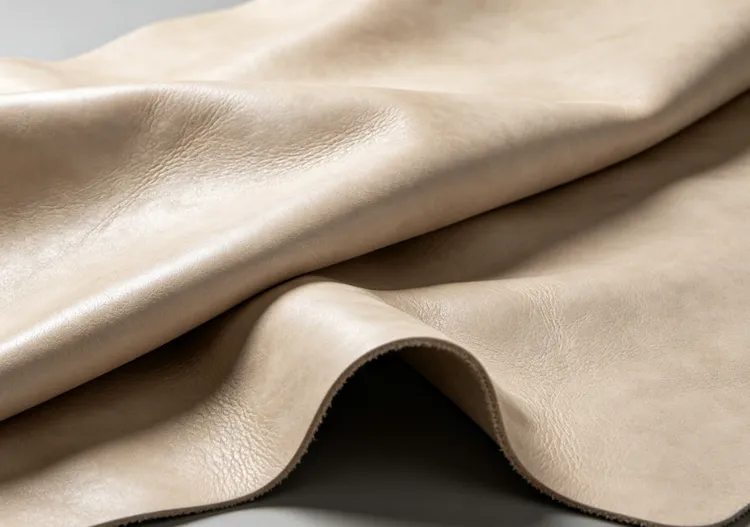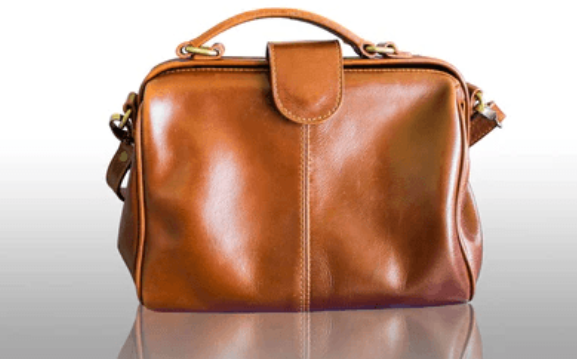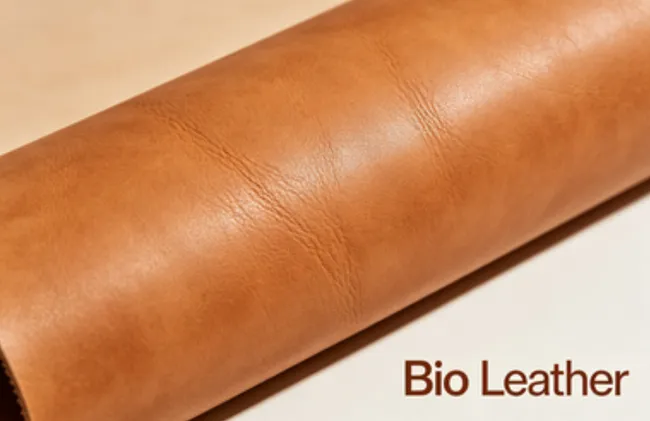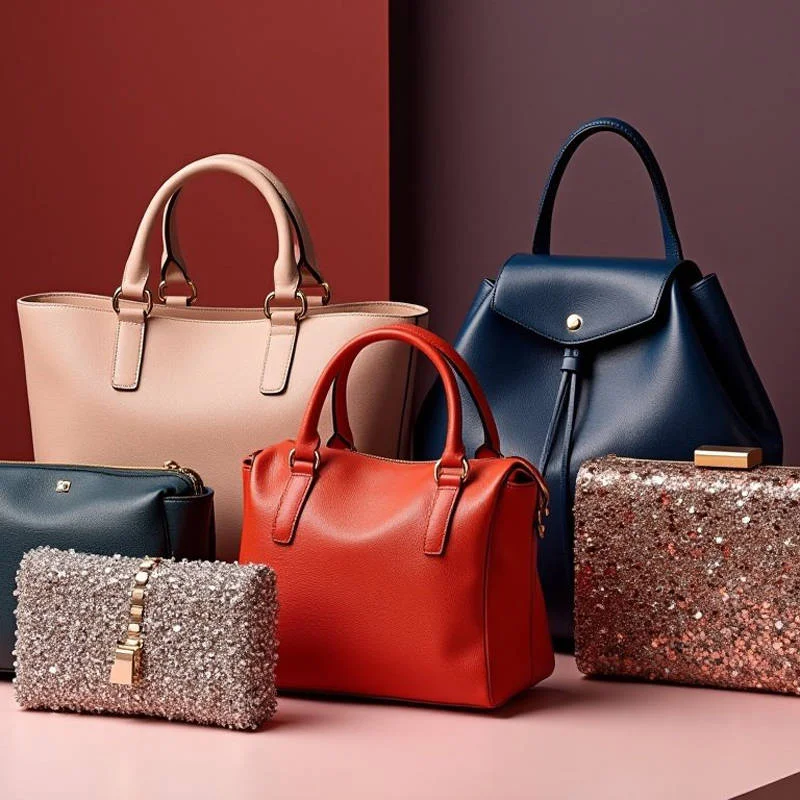
Pebble Leather is a type of leather with fine raised textures on its surface, also commonly known as “lychee grain leather.” It is usually made from cowhide and its texture is mainly produced through two processes: embossing (high-temperature and high-pressure stamping) or softening (physical pounding and natural contraction).
It is most commonly found in bags, shoes, and other leather items that require high durability, and is also one of the most popular bag materials on the market. Brands such as Coach, Michael Kors, and Longchamp widely adopt it. It is particularly suitable for commuter bags, tote bags, and everyday crossbody bags.
In the future, with the advancement of technology, Pebbled Leather will continue to make breakthroughs in quality and environmental friendliness, becoming a popular choice in the leather goods industry.
This post will explore the characteristics of Pebbled Leather.
What Is Pebble Leather?
Pebbled Leather, often translated literally as “lychee grain leather”, refers to any type of leather that has a surface covered with small, round, and smooth protrusions, resembling tiny pebbles. This texture is created by a heat-pressing process on the leather surface.
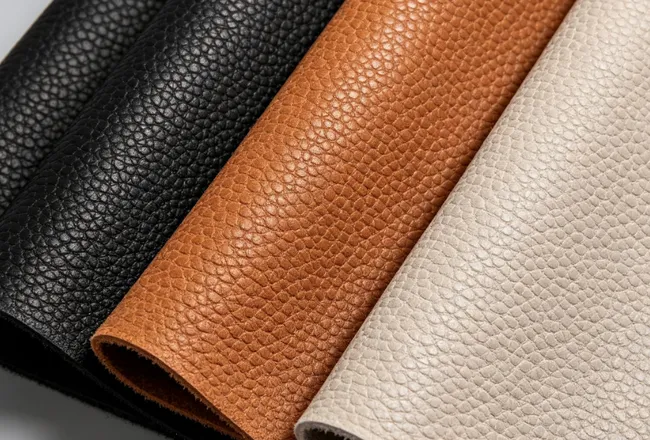
The key point is that it describes the texture and appearance of the surface, rather than referring to a specific type of animal fur – it can be made from full-grain calf leather, top-grade cowhide, goat skin, or even synthetic imitation leather materials.
This type of leather is widely used in the bags, shoes, and accessories of luxury brands such as Coach, Michael Kors, and Kate Spade.
The Core Features of Pebble Leather
- Durable leather material guarantee: Despite undergoing texture embossing treatment, Pebble Leather still retains the natural characteristics of genuine leather, such as breathability and durability. Compared to synthetic leather, it can gradually develop a unique patina with use, offering a more textured appearance.
- Excellent wear resistance: The textured surface effectively disperses the pressure from daily wear and tear, making it more scratch-resistant than smooth leather. Even minor scratches can be naturally covered by the texture, and it will develop a more vintage look over time.
- Easy to maintain and clean: Pebble Leather does not require frequent special care. After daily use, it only needs to be wiped with a soft dry cloth. For minor stains, gentle leather cleaner can be used for wiping, with lower maintenance costs.
- Diverse style options: This leather can present a matte finish or achieve a glossy effect through special treatment, suitable for various style designs ranging from casual to formal. The brand usually offers a wide range of color options to meet different matching needs.
Key Characteristics
| Feature | Detail |
| Texture | Coarse, irregular grain — bumpy and tactile |
| Material | Usually genuine leather (cowhide, etc.) |
| Appearance | Solid color, matte or semi-gloss finish |
| Durability | More scratch-resistant than smooth leather (texture hides wear) |
Common Names and Similar Types
| Name | Usually… | Common Context |
| Pebble leather | General term for pebble texture | Marketing / category word |
| Pebble grain | Tends to imply “natural grain” | British / tailoring circles |
| Togo (Hermès) | Natural grained calfskin, not embossed | Often called “pebbled” but not pressed |
| Saffiano | Cross-hatch embossing(more geometric, stiffer) | Different family |
| Nappa pebble | Soft, supple leather + pebble texture | Affordable luxury / everyday leather goods |
The Core Advantages of Pebble Leather
- High scratch resistance: Its rough texture can better conceal minor scratches, stains and wear, far superior to smooth materials like box-shaped calfskin, making it ideal for luxury bags like Birkin for daily use.
- Comfortable touch, stable grip: The textured surface is not likely to slip off when held.
- Moderate water and stain resistance: Most pebble finishes are coated with a protective layer that effectively resists light liquid spills.
- Elegant natural aging: After years of daily use, natural pebble calfskin gradually forms a soft and warm patina, without collapsing or losing its texture structure.
Manufacturing Process
The processing of the pebble texture usually takes place after the leather tanning and dyeing. Specifically:
- Stamping: A metal plate with reverse pebble texture is pressed onto the leather surface under great pressure to create a permanent raised texture.
- Finishing: After the pressing, a thin layer of transparent protective coating is usually applied to enhance its scratch resistance and water resistance.
Application scenario
Thanks to its excellent durability and unique texture, pebble leather is widely used in various products:
- Bag: handbags, briefcases, backpacks, suitcases, etc.
- Footwear: leather shoes, boots, etc.
- Small leather accessories: wallets, phone cases, etc.
- Furniture and interiors: sofas, car seats, etc.
How Is Pebbled Leather Made?
There are two main methods for creating pebble leather: one is the more advanced milling process, and the other is the more common embossing process.
Method One: Softening Process (The Natural Choice of Luxury)
This method uses physical action to allow the leather to naturally contract and form textures, which is recognized as a more advanced and expensive technique. The resulting texture is unique, like a natural fingerprint.
The specific process is as follows:
- Selecting the leather: Choose high-quality full-grain leather as the raw material.
- Putting in the drum: Place the tanned and dried leather into a huge rotating drum.
- Long-term softening: Let the leather continuously roll in the drum for 8 to 24 hours. During this process, continuous impact and friction will cause the collagen fibers of the leather to relax, resulting in an area contraction of 10-20%.
- Forming natural grain patterns: The contraction of the area will force the natural grain surface of the leather to squeeze and gather, thus forming random, irregular protrusions, known as “pebble patterns”. These textures will vary in different parts (such as the neck and abdomen).
- Finished product characteristics: The resulting leather is extremely soft and flexible, with a feel as smooth as butter.
Method 2: Embossing Process (Efficient Industrial Choice)
This is currently the most popular method in the market. It uses machines to imprint textures on the surface of leather, ensuring high consistency of the product.
The specific process is as follows:
- Selecting leather: Use leather that has undergone tanning and dyeing.
- High-temperature pressing: Place the leather in an industrial press machine equipped with large metal plates. The metal plates have reverse pebble pattern designs. Under temperatures exceeding 93°C (200°F) and immense pressure, the patterns are instantly and permanently imprinted on the leather.
- Forming uniform texture: The imprinted textures are perfect, uniform, and repetitive. This process can even “cover” the flaws on the surface of lower-grade leather (such as B or C grades).
- Product characteristics: Due to the high temperature and pressure compressing the fibers, embossed pebble leather is harder, more crisp, and more waterproof than softened leather, but it sacrifices some of the natural softness.
Comparison of the Two Methods
| Feature | Milling (Natural, Luxury) | Embossing (Efficient, Industrial) |
| Core process | Physical tumbling, natural shrinkage | Mechanical pressing with heat and pressure |
| Grain characteristics | Random, organic, one-of-a-kind | Uniform, regular, repetitive |
| Hand feel | Extremely soft, supple | Firmer, stiffer |
| Cost | Higher (leather shrinks, increasing material cost) | Lower (can use lower-grade hides) |
| Positioning | High-end, luxury choice | Mainstream in the mid-to-high market |
Quality Indicators
| High-Quality Pebbled Leather | Low-Quality Pebbled Leather |
| Pattern does not crack or flatten when flexed | Pattern cracks or wears off quickly |
| Texture feels integrated with the leather | Texture feels like a surface layer |
| Natural grain variation visible upon close inspection | Perfectly uniform, plastic-like appearance |
| Soft, pliable hand | Stiff or cardboard-like feel |
| Rich leather aroma | Chemical or synthetic smell |
Quick Field Test: “Natural” vs “Embossed Split”
| Checkpoint | Natural Grain (Better) | Embossed Split (Cheaper) |
| Texture rhythm | Irregular, not “tile-aligned” | Visible periodic repetition / mirror symmetry |
| Edge / cut section | Dense fibers, consistent beige/grey-brown | Edge appears chalky/pinkish or clearly shows “coating shell + spongy core” |
| Pores / minor scars | Still has “life traces” (fine pores, tiny imperfections) | Too sterile, like a relief painting |
| Crease / bend | Soft, natural color shift | Coating easily whitens / micro-cracks (coating exceeds elongation limit) |
Is Pebbled Leather Real Leather?
Yes, pebbled leather is usually made of real leather. It is not a synthetic material; it refers to a type of natural leather with a specific surface texture (similar to the raised particles of pebbles).
However, there is a crucial point to distinguish here: the term “pebbled” describes the texture of the surface, not whether the material is genuine leather.
Why Does It Raise Doubts?
The main reasons why people question whether it is genuine leather are as follows:
- The texture is artificially processed: Unlike the smooth full-grain leather, the raised texture of the pebble pattern is mostly achieved through machine hot stamping. This “artificial” process can easily lead those unfamiliar with leather craftsmanship to mistakenly believe it is artificial leather.
- The process can cover flaws: The embossing process allows manufacturers to use slightly lower-grade leather with minor flaws (such as mosquito bite marks) because the texture can effectively hide these defects.
It Is Evidence of Real Leather
- The base material remains animal skin: whether through embossing or softening processes, the main material is always cowhide, sheepskin, etc. of animal origin.
- Durability: It has the durability and breathability characteristic of genuine leather (although embossing slightly reduces breathability, it is still genuine leather).
- Maintenance: Its maintenance method is similar to that of smooth leather, requiring cleaning and regular care, which is in line with the characteristics of genuine leather.
The Two Types
| Real Pebbled Leather | Fake / “Pebbled Leather” | |
| What it is | Genuine cowhide (head-grain or top-grain) with embossed pebble texture | PU (polyurethane) or PVC plastic with a pebble pattern molded in |
| Also called | Embossed leather, pebbled grain leather | “Genuine leather” (misleading), bonded leather, PU leather |
| Price | Mid to high | Low to mid |
| Feel | Warm, slightly yielding, breathes | Cool to touch, uniform, plasticky |
How to Tell the Difference
| Test | Real Pebbled Leather | Fake |
| Smell | Earthy, animal-like, slightly musky | Chemical, plastic-like |
| Press & release | Wrinkles radiate outward, slowly rebounds | No wrinkle, or bounces back instantly and uniformly |
| Water drop | Slowly absorbs | Beads up on surface |
| Burn a tiny edge | Smells like burnt hair, leaves powdery ash | Melts, smells like plastic, hard black bead |
| Back side | Rough, fibrous (suede-like) | Fabric or foam backing |
| Price clue | Usually $50+ for a small good (wallet) | Often under $30 for a “leather” bag |
Is Pebbled Leather Durable?
Yes, pebble leather is renowned for its excellent durability, and this is one of the main reasons why it is so widely popular. However, the degree of “durability” can vary depending on the manufacturing process of the texture.
Let’s clarify: “Pebble” Refers to the Texture Pattern, Not the Material Grade
Natural Pebble Grain / Natural Full-Grain Texture
The texture comes from the collagen/hair follicle structure of the genuine leather (such as the small cow grain textures you often hear about like Togo/Clemence).
→ More durable: The irregular surface can “absorb” minor scratches, and because the structure is not “sealed off into a thick film”, the bending points are less likely to peel off in pieces.
Corrected-Grain (Embossed Pebble)
The leather surface is lightly smoothed and then pressed with a hot steel roller to create a uniform pebble pattern, followed by coloring and coating (often biased towards PU/acrylic).
→ Medium durability: The surface is more “consistent”, but it also relies more on the coating; once the coating is punctured by a sharp object or subjected to frequent bending, the “underlying layer” will be exposed.
Split + Emboss + Heavy Coating
The most solid top layer of the leather has been removed, and the pattern is pressed onto the sponge-like layer and then coated.
→ Least durable: The edges of the bag or corners are prone to whiteing, flaking, and even small pieces peeling off (not the leather “rotting”, but the failure of the coating system).
Why Pebbled Leather Is Durable?
- Scratch-resistant and wear-resistant: The textured surface can effectively cover the minor scratches that are easily visible on smooth leather.
- Maintain good shape: Pebbled leather is usually slightly harder than smooth leather, making it suitable for making structured bags and accessories.
- More resistant to daily use: Its natural texture helps reduce wrinkles and the appearance of usage marks.
- Often with protective coating: Many pebbled leather is treated with pigments or coatings to enhance stain resistance and moisture resistance.
Factors Affecting Durability
Not all split leather is equally durable. The key lies in the underlying leather material:
- Full-grain embossed leather: Generally the most durable, and can be used for decades with proper maintenance.
- Top-grade full-grain embossed leather: Also very durable, often used in high-quality leather products.
- Lower-grade embossed leather treatment: Still durable, but may not be as resistant to aging as high-end leather.
Sources of Pebbled Leather‘s Durability
| Feature | Contribution to Durability |
| Excellent scratch resistance | The raised texture effectively hides minor scratches from daily use, making them far less visible than on smooth leather. |
| Good abrasion resistance | The textured surface helps disperse friction, making the leather more resistant to wear, and less prone to localised polishing or colour loss. |
| Good stain resistance | Most pebbled leathers have a protective coating that repels most liquids and stains, making them easy to clean. |
| Good shape retention | Embossing compresses the fibres, resulting in a stiffer leather that resists deformation. Milled pebbled leather is softer but still maintains its shape well. |
| Effective blemish hiding | The texture effectively conceals natural hide imperfections and signs of use, keeping the leather looking good for longer. |
Durability Differences Between the Two Processes
| Process Type | Durability Characteristics |
| Embossed Pebbled Leather | Because the fibres are compressed under high heat and pressure, this leather is the most durable. It is highly scratch-resistant, abrasion-resistant, and resists deformation. It is the top choice for maximum durability. |
| Milled Pebbled Leather | The fibres shrink naturally, resulting in an extremely soft hand feel. However, this also makes it more prone to creasing and deformation than embossed leather, though its tear strength remains high. |
30-Second Self-Check: Which Grade Does This “Pebble” in Your Hand Belong To?
The edge/crease is composed of dense fibers and has a uniform color close to beige → More likely to be full-grain → Durable
The edge is grayish-white with a sponge-like/fine powder-like texture, while the front has a “shiny coating” → More like embossed layering → Don’t fuss, don’t fold it
Check the lines after folding: The area where it folds turns white/powder-like → The coating system is thick, durability relies on “not folding it too frequently”
Smell: The leather smell is acceptable; strong plastic solvent smell → Heavy coating (possibly also mixed with PU composite) → More like “leather base material” rather than the traditional leather durability logic
Real-World Durability Ranking
| Leather Type | Durability | Notes |
| Full-grain smooth | ⭐⭐⭐⭐⭐ | Best raw strength, but shows every scratch |
| Pebbled head-grain ⭐ | ⭐⭐⭐⭐⭐ | Best practical durability — tough AND forgiving |
| Top-grain smooth | ⭐⭐⭐⭐ | Good, but less scratch-hiding |
| Suede / nubuck | ⭐⭐ | Beautiful but fragile |
| PU “pebbled leather” | ⭐⭐ | Looks like leather, dies like plastic |
Comparison to Other Leathers
| Leather Type | Durability | Scratch Resistance | Aging |
| Pebbled full-grain | Excellent | Excellent (hides marks) | Develops patina |
| Smooth full-grain | Excellent | Fair (shows marks) | Develops patina |
| Saffiano | Very good | Excellent (cross-hatch + coating) | Resists patina |
| Patent leather | Moderate | Poor (scratches show) | Coating cracks |
| Synthetic pebbled | Poor to moderate | Good initially | Cracks, peels, irreparable |
Suggestions for Extending the Lifespan of Pebbled Leather Products
To extend the lifespan of pebbled leather products, the following maintenance measures are recommended:
- Avoid direct sunlight: Try to avoid exposing pebbled leather products to direct sunlight or high temperatures, as this may cause the leather to fade, crack or harden.
- Keep dry: If pebbled leather products are accidentally soaked in water, promptly use a clean towel to absorb the moisture and place them in a ventilated and dry place to air dry naturally. Avoid using hair dryers or heating sources to dry them.
- Regular maintenance: Regularly use leather care products to maintain pebbled leather products, such as leather cleaners and leather lotions, to maintain the softness and luster of the leather.
- Avoid touching sharp objects: Avoid exposing pebbled leather products to sharp objects or chemical substances, as this may cause scratches or corrosion.
How to Maximize Its Lifespan
| Do | Don’t |
| Wipe with a damp cloth after use | Soak it in water |
| Apply leather conditioner 2–3x/year | Use shoe polish (clogs the grain) |
| Stuff bags to maintain shape | Leave in direct sunlight for weeks |
| Let it air dry if wet | Use a hair dryer |
Is Pebbled Leather Soft?
The question of whether the pebble leather is soft or not does not have a simple “yes” or “no” answer. It depends on the specific manufacturing process, whether it is embossed or milled.
Difference in Softness Between the Two Processes
- Pressed pebble leather: This is the most common type on the market. The texture is pressed onto the leather surface through high temperature and high pressure, causing the leather fibers to be compressed, so the feel is relatively stiff and has a bone-like quality. It places more emphasis on durability and shape retention, sacrificing some softness. When you first get it, it will feel “hard”, and it takes some time of use to “subdue” and become softer.
- Softened pebble leather: It is made by physically shaking the leather to cause it to naturally contract and form the texture, with the fibers not being compressed but becoming more relaxed. Therefore, it is extremely soft, with a smooth touch like butter, even softer than some smooth cowhide. You can feel the obvious “soft and pliable” texture when holding it in your hand.
The Truly “Soft” Pebble Leather: Natural Grainy Calfskin (Such as Togo / Clemence)
This type is full-grain (meaning the texture is naturally formed by the skin itself rather than being pressed out), so although there are grains on the surface, the fibers are intact and the coating is light – the feel is not “melted like cream when squeezed”, but rather:
- Soft and yet with “meaty support”: when pressed, it rebounds, unlike paperboard
- It has a warmer/livelier temperature sensation, unlike plastic
- It won’t have a shocking white coating crack when folded (at most, there will be a slight natural color difference)
If the “pebble leather” you mentioned refers to the high-end bags made of cowhide, this grade is the one that best fits the “soft” description but is also the most expensive.
How to Tell Which One You‘re Looking At
| Feature | Embossed Pebbled Leather | Milled Pebbled Leather |
| Softness | Firmer, structured | Extremely soft, buttery |
| Grain | Regular, repetitive, shallow | Random, organic, deep |
| Hand feel | Smooth but solid | Warm, supple, elastic |
| Representative Leathers | Saffiano (cross-grain), Epsom | High-end milled calfskin |
For instance: If you have touched the Epsom leather from Hermès, it is a typical embossed leather with a relatively hard texture; while the Togo leather from Hermès has the characteristics of a softened process, and its texture is extremely soft. Thus, it can be seen that for the same pebble pattern, the texture can be completely different.
Real Leather Pebbling
| Base Material | Softness Level | Character |
| Full-grain pebbled | Very soft | Most supple; retains natural fiber structure |
| Top-grain pebbled | Soft to moderately soft | Slightly firmer due to surface sanding |
| Genuine/split leather pebbled | Moderate | Can feel stiff or cardboard-like |
Synthetic Pebbled Leather
| Material | Feel |
| PU pebbled | Can feel soft initially but often has a synthetic, rubbery quality |
| PVC pebbled | Usually stiffer, more plastic-like |
| Cheap synthetics | May feel spongy or foamy rather than genuinely supple |
What affects softness
| Factor | Effect |
| Tanning method | Chrome-tanned leather is softer; vegetable-tanned is firmer |
| Embossing depth | Deep embossing can compress fibers, slightly reducing softness |
| Finishing coats | Heavy pigment or protective coatings add stiffness |
| Conditioning | Well-conditioned leather stays softer longer |
Softness Compared to Other Common Leathers
| Leather Type | Softness Rating | Notes |
| Lambskin | ⭐⭐⭐⭐⭐ | Softest, but most delicate |
| Milled Pebbled Leather | ⭐⭐⭐⭐ | Close to lambskin, but more durable |
| Smooth Cowhide | ⭐⭐⭐ | Medium; needs break-in |
| Embossed Pebbled Leather | ⭐⭐ | Firm, emphasises shape retention |
| Saffiano / Epsom | ⭐⭐ | Very stiff; rarely slouches |
How It Changes Over Time
| Timeframe | Feel | Why |
| Brand new | Firm, structured, slightly rigid | Embossing + topcoat + chrome tanning |
| 3–6 months | Noticeably softer, starts to yield | Body heat + natural oils break down the compressed fibers |
| 1–2 years | Supple, soft, conforms to your hand | Grain relaxes, leather “breaks in” |
| 5+ years | Very soft, almost buttery (if real leather) | Full patina development |
30-Second Method (Without Instruments)
- Press one corner: Resilient and soft texture = more like natural full-grain; Press down and it “stands up without sinking / has a shell-like feel” = coating is heavier; Press down and there is a thin shell-like texture + when viewed from the side, there is a “gray-white sponge edge” = layering system
- Listen: Light tap – dull skin sound ≈ dermal fibers; Heavy “clicking” hard shell sound ≈ heavier coating / imitation leather
Is Pebbled Leather Good Quality?
Whether the pebble leather is of high quality depends entirely on the quality of its “underlay” and the type of “craftsmanship”, rather than the texture itself. It is a functional and high-quality option, especially suitable for everyday items that require high durability, but it does not represent the highest level of leather.
What Determines the Actual Quality?
The key factor lies in the type of leather beneath the pebbles:
- Full-grain matte leather → Usually the highest quality and best durability.
- Top-grain matte leather → Still of high quality, commonly found in high-end products.
- Real leather matte treatment → Quality may be acceptable, but usually lower than full-grain or top-grain.
- Synthetic leather matte surface → Lower quality, poor durability.
Why Real Pebbled Leather = Good Quality
It’s chosen by premium brands deliberately
| Brand | Product | Price Point |
| Thom Browne | Pebble grain leather brogues, made in UK | ~¥8,415 |
| Coach | Metropolitan Courier in pebbled leather | Premium line |
| Cole Haan | “High-quality pebbled leather” trifold wallet | $39+ |
| Michael Kors | Jaycee backpack in black pebbled leather | Mid-premium |
| LOEWE | Gate bag in pebbled leather | Luxury |
It’s the most practical leather finish that exists
| Quality Metric | Pebbled | Smooth |
| Hides scratches | Excellent | Shows everything |
| Hides scuffs | Excellent | Visible |
| Ages gracefully | Uniform patina | Beautiful but uneven |
| Structural durability | Very high | Highest (full-grain) |
| Everyday usability | Best | Needs care |
How to Know You’re Getting Good Quality
| Check | What to Look For |
| Material tag | “Full-grain leather” or “Top-grain leather” ✅ |
| Price | Under $30 for a bag = almost certainly PU ⚠️ |
| Smell | Earthy, animal-like = real ✅ |
| Water drop test | Absorbs slowly = real ✅ |
| Wrinkle test | Press & release — wrinkles radiate outward = real ✅ |
Different Quality Levels and Their Characteristics
| Quality Level | Process & Base Leather | Key Characteristics |
| Top-Tier Quality | Full-grain leather + milling process | Random, one-of-a-kind grain; extremely soft, buttery hand feel; highly durable – can last decades. |
| Mid-to-High Quality | Top-grain or corrected-grain leather + embossing process | Uniform, regular grain; firmer, more structured hand feel; excellent durability and scratch resistance. |
| Standard / Entry Quality | Split leather or lower-grade hides + heavy embossing | Lower cost; durability and texture are relatively average. |
| Non-Leather Imitation | PU or microfiber + embossing | Low price; non-breathable, unrepairable, prone to ageing. |
When Pebbled Leather Is High Quality
| Scenario | Why It’s Good |
| Full-grain leather base | The strongest, most durable part of the hide; the pebbling is a surface treatment that does not compromise structural integrity |
| Top-grain leather base | The upper layer is sanded and embossed; still very durable and attractive |
| Natural pebble grain | The texture develops organically during tanning, indicating minimal processing and preservation of the hide’s character |
| Artisanal embossing | Careful heat and pressure application that enhances rather than damages the leather |
When Pebbled Leather Is Low Quality
| Scenario | Why It’s Poor |
| Bonded leather base | Leather scraps glued together and embossed to look uniform; will delaminate and deteriorate quickly |
| Split leather base | The weakest bottom layer of the hide; lacks the strength of grain leather |
| Heavy synthetic coating | A thin layer of real leather coated with thick plastic-like finishes; cracks and peels |
| PU or PVC synthetic | Entirely plastic; mimics the look but lacks breathability, durability, and the aging qualities of real leather |
| Poor embossing process | Excessive heat or pressure damages leather fibers, creating a surface that looks good initially but cracks prematurely |
How to Assess Quality
| Indicator | Good Quality | Poor Quality |
| Price | Reflects real leather cost | Suspiciously cheap |
| Smell | Rich, natural leather aroma | Chemical, plastic, or odorless |
| Flexibility | Supple, folds naturally | Stiff, cardboard-like, or rubbery |
| Edge finish | Shows layered fiber structure | Foam core, woven fabric, or uniform synthetic |
| Label | Specifies “full-grain,” “top-grain,” or “genuine leather” | Vague terms like “man-made materials,” “PU,” or no material disclosure |
| Brand reputation | Established leather goods makers | Unknown brands with inconsistent quality |
Is Pebbled Leather Good for Making Bags?
Yes, pebble leather is highly suitable for making bags, especially for everyday, casual and business styles, as it is durable and easy to maintain. Its characteristics perfectly match the requirements of “everyday bags”, but there are also some details that need to be noted.
In fact, many luxury brands (like Chanel with its Caviar leather, or Coach with its Signature Pebble leather) specifically choose this texture for their most popular handbags.
Why Is It Good for Bags?
| Feature | Benefit for Bags |
| Excellent scratch resistance | The raised texture effectively hides minor scratches from daily use, keeping the bag looking good for longer. |
| Good abrasion resistance | Corners, edges, and the bottom of the bag are significantly more durable than smooth leather. |
| Easy to clean | The protective coating makes the bag resistant to liquids and stains, making daily care easier. |
| Holds its shape | Embossing compresses the leather fibres, helping the bag resist deformation and maintain a crisp silhouette over time. |
| Balances softness and durability | Unlike fragile smooth leathers, high-quality pebbled leather (e.g., milled) retains comfort while being highly durable. |
Suitable Bag Types
| Bag Type | Reason |
| Everyday tote / commuting bag | Used daily, needs to withstand the weight and friction of books, laptops, etc. |
| Crossbody / camera bag | Frequently accessed, rubs against clothing. |
| Travel bag / carry on | Subject to rougher handling (check-in, overhead bins). |
| Casual backpack | Worn daily, prone to wear on corners and the bottom. |
Mapping A/B/C Tiers to Bag Types (The Real Decision Tool)
| Tier | Best Suited For | Why |
| A. Natural full-grain pebble (Togo/Clemence level) | Premium totes, daily commuters, luxury handbags, briefcases | Supple with support, no white creasing, 5–10 year lifespan; light coating that ages gracefully |
| B. Corrected + embossed pebble (light-coat full-grain) | Mid-range department store totes, branded daily bags, student bags | Clean, uniform appearance; lower cost than Tier A; decent durability, but avoid aggressive fold points |
| C. Split + embossed pebble (heavy coating shell) | Decorative panels, hard-shell minaudières, logo patches, small structured cases | Cannot bear weight or withstand repeated folding — only suitable as “face” material or for accent use |
Notable Limitations
- Pressing technique affects the feel: Bags made with pressing technology tend to have a harder and more rigid feel, lacking the soft and skin-friendly quality of smooth cowhide.
- Variability in quality: Low-quality pressed pebble leather may use inferior base skins and have thick surface coatings, resulting in a feel similar to plastic and poor breathability.
- Lack of sophistication: Compared to fine full-grain leather, the pressed pattern visually leans more towards “practical” rather than “luxurious”, and is not suitable for minimalist or elegant bag styles.
- Weight may be heavier: Some pebble leather (especially thick pressed leather) is slightly heavier than the same thickness of smooth leather.
Where It Has Limitations
| Concern | Impact |
| Formal occasions | Texture may appear too casual for black-tie or ultra-elegant events |
| Sharp structure | Softer than Saffiano or Box calf; may not hold rigid architectural shapes |
| Patina development | Does not develop the smooth, glossy patina of untreated full-grain leather |
| Exotic appeal | Lacks the luxury signaling of crocodile, ostrich, or smooth calfskin |
Comparison to Other Bag Leathers
| Leather | Best For | Pebbled Advantage |
| Saffiano | Structured, formal bags | Pebbled is softer and more comfortable |
| Smooth calfskin | Elegant, dressy bags | Pebbled is more durable and forgiving |
| Patent leather | Evening, statement bags | Pebbled is more versatile and less fragile |
| Canvas | Casual, lightweight bags | Pebbled offers more polish and weather resistance |
Compared with Smooth Leather
| Feature | Pebbled Leather | Smooth Leather |
| Scratch resistance | High | Lower |
| Formal/luxury look | Moderate | High |
| Maintenance | Easier | More care required |
| Shows wear | Less | More |
| Everyday use | Excellent | Good |
Application Cases of Pebbled Leather in Bag Production
Pebbled leather is widely used in bag production. Here are some examples from well-known brands:
- Prada: Prada’s Vitello Daino leather is a type of pebbled leather, which is often used to make wallets, handbags, and other leather products. Its unique texture and durability are highly favored by consumers.
- Kate Spade: Kate Spade’s Hudson series bags are made of pebbled leather, featuring fashionable designs and good durability, suitable for daily use.
- Michael Kors: Michael Kors’ Jaycee series backpacks are made of pebbled leather, with large capacity and good durability, suitable for travel or commuting.
- Fendi: The Fendi pebbled leather hollowed-out pattern mini handbag is made of soft pebbled leather and features a hollowed-out pattern design, exuding a strong sense of fashion.
Conclusion
“Pebbled Leather” refers to leather with a surface featuring fine, uniform grain textures, not a specific type of leather material, but rather a surface treatment effect. It can be either natural full-grain (such as Hermès Togo/Clemence, with the grain derived from the collagen structure of the animal itself), or artificial embossing (using a hot steel roller to imprint textures on modified grain or split leather).
Pebbled Leather is generally more durable, easy to maintain, and less prone to aging. It also has good stiffness and structural integrity, making the bag shape more stable. Therefore, it is particularly suitable as the material for daily commuting and long-term use bags.
If you are running your own bag business and are looking for a reliable bag manufacturer, please feel free to contact us. Let’s work together to create miracles for your brand.